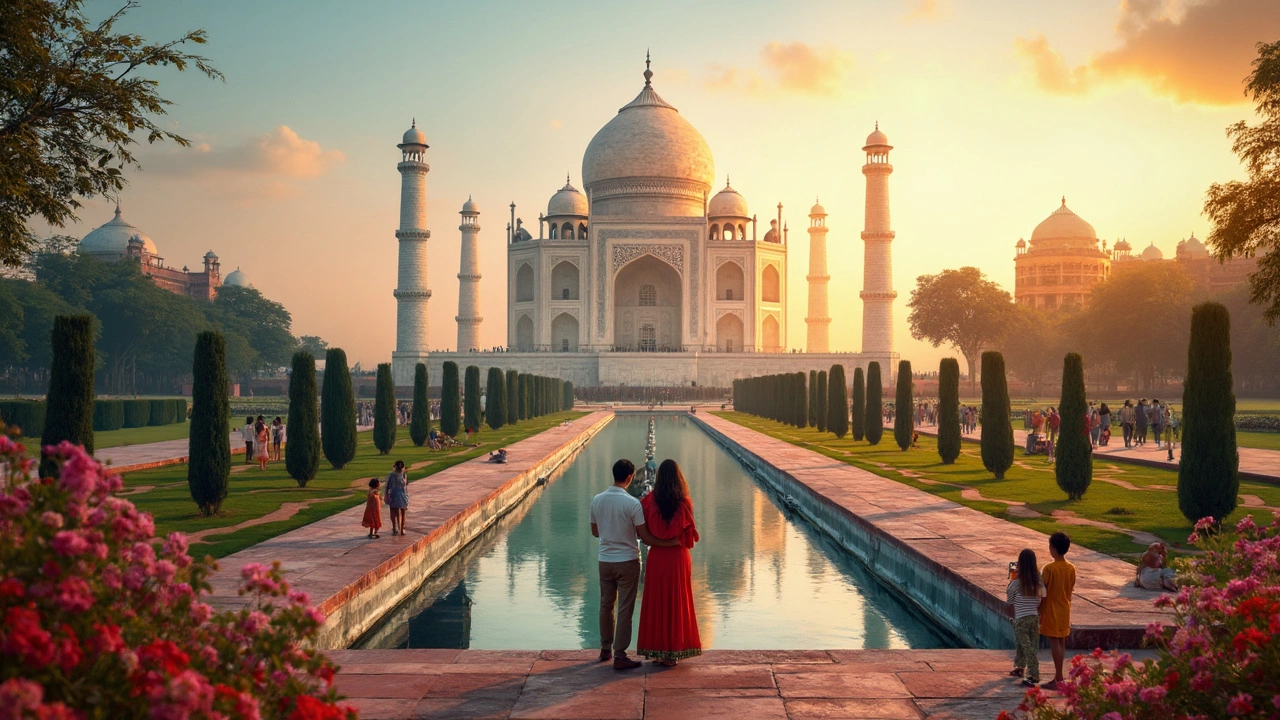
Agra Tourism: Discover the Taj Mahal and India's Heritage Heartland
When you think of Agra tourism, a travel destination in Uttar Pradesh, India, defined by its Mughal-era monuments and global recognition for the Taj Mahal. Also known as the city of the Taj, it draws over 7 million visitors every year—not just for its marble masterpiece, but for the layered history that surrounds it. Agra isn’t just one monument. It’s a cluster of imperial power, lost love, and architectural genius built over centuries. The Taj Mahal, a white marble mausoleum built by Emperor Shah Jahan for his wife Mumtaz Mahal, and one of the New Seven Wonders of the World is the star, but it doesn’t work alone. Just a few minutes away, the Agra Fort, a red sandstone fortress that once housed Mughal emperors and served as both palace and prison tells a grittier, more political side of the same story. And if you dig deeper, you’ll find Fatehpur Sikri, a ghost city just 40 km away, built as a capital and abandoned just 14 years later—still standing, still silent.
Agra tourism thrives because it’s not just about sightseeing. It’s about walking through spaces where history didn’t fade—it settled. The Taj Mahal changes color with the sun: soft pink at dawn, dazzling white at noon, golden at dusk. Locals will tell you the best time to see it isn’t when the crowds are thinnest—it’s when the mist rises off the Yamuna River and the monument looks like it’s floating. Meanwhile, the Agra Fort lets you climb its walls, peer into the private chambers where queens lived, and stand in the exact spot where Shah Jahan spent his last years, gazing at the Taj through a window. These aren’t museum pieces. They’re lived-in ruins with stories still echoing.
Uttar Pradesh holds the most UNESCO World Heritage Sites in India, and Agra alone has three of them: the Taj Mahal, the Agra Fort, and Fatehpur Sikri. That’s more than most countries have. But most tourists never leave the main sites. The real magic? Finding the quiet havelis near the river, where artisans still carve pietra dura in-lay work the same way they did in the 1600s. Or tasting the petha—a sweet made from ash gourd—that’s been made in Agra for over 200 years. This isn’t just a place you visit. It’s a place that stays with you.
What you’ll find below are real, practical stories from people who’ve walked these streets—not just the postcard shots, but the missed turns, the hidden tea stalls, the local guides who know where the light hits the Taj just right. Whether you’re planning your first trip or your fifth, these articles will help you see Agra beyond the guidebook.