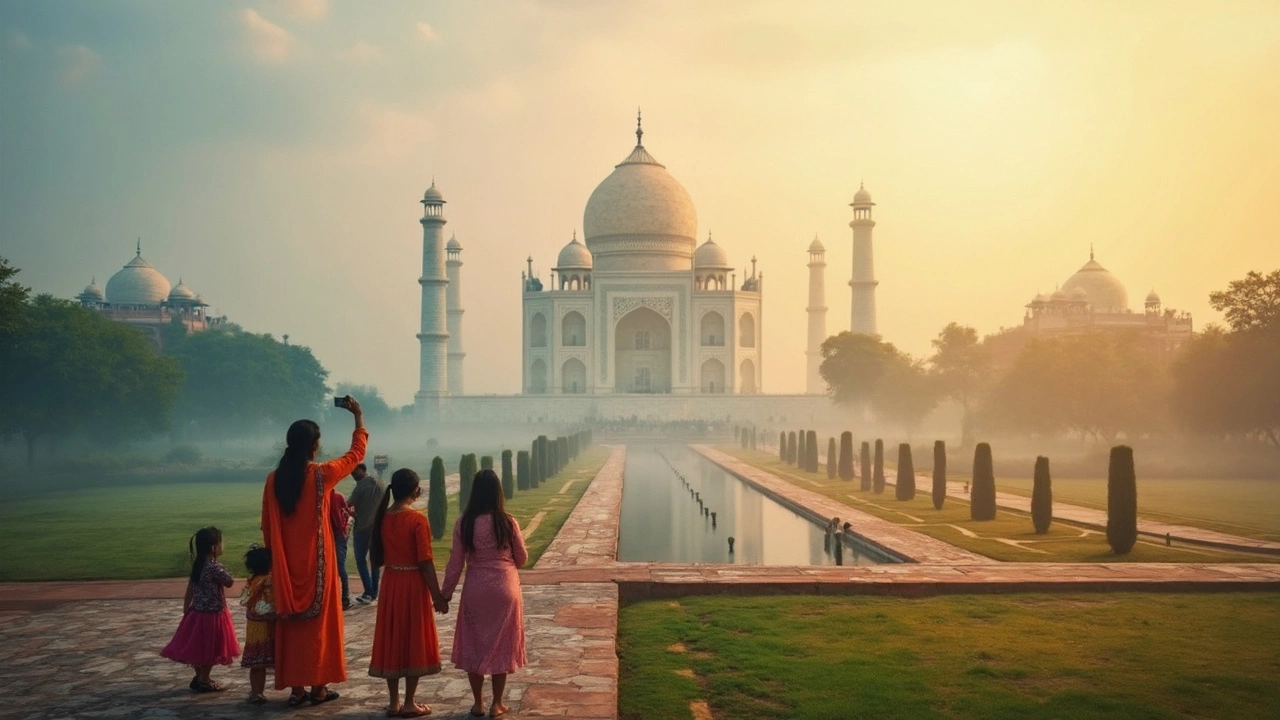
Agra Weather: What to Expect and When to Visit
When you think of Agra, a historic city in northern India best known for the Taj Mahal. Also known as the city of the Taj, it draws millions each year—not just for its monuments, but for the unforgettable experience of standing under its marble dome at sunrise. But if you’ve ever planned a trip here, you know the weather can make or break it. Agra doesn’t play nice with unpredictable seasons. It gets scorching, it gets dusty, and sometimes, it gets so humid you feel like you’re walking through soup.
The Taj Mahal, the world’s most famous monument to love, built in white marble looks stunning in any light, but the heat in May and June can turn your visit into a survival mission. Daytime temps often hit 45°C (113°F), and there’s little shade between the gates and the mausoleum. If you’re not used to it, you’ll be exhausted before you even reach the reflecting pool. On the flip side, winter—November to February—is when Agra shines. Temperatures hover around 10°C to 25°C (50°F to 77°F), the air is clear, and the sky is a perfect blue that makes the Taj look like it’s glowing. That’s when locals say the marble breathes.
Monsoon season brings relief from the heat, but not much else. July to September means heavy rain, slippery paths, and foggy mornings that hide the monument. It’s not the best time for photos, and some areas close for safety. Still, if you don’t mind the damp and the crowds, you’ll get fewer tourists and lower prices. The Agra climate, a semi-arid system with extreme temperature swings isn’t like the coastal chill of Goa or the mountain cool of Himachal. It’s dry, it’s intense, and it demands preparation. Pack light cotton clothes, a hat, sunscreen, and water—lots of it. Even in winter, the mornings are chilly, so bring a light jacket for early visits.
You’ll find plenty of guides telling you to visit Agra in winter. And they’re right—but not because it’s the only good time. It’s the most comfortable. If you’re flexible, aim for October or March. The heat hasn’t kicked in yet, the crowds are thinner, and the light is golden. The India tourist weather, a patchwork of regional climates that vary wildly across the country means what works in Delhi won’t always work in Agra. The city sits in the plains, close to the Yamuna River, and that makes it hotter and dustier than hill stations or coastal towns.
What you’ll find below are real stories and practical tips from travelers who’ve been there—not just the postcard versions. You’ll learn which months to avoid, how to beat the crowds at the Taj, what to wear when the wind kicks up sand, and why some visitors swear by pre-dawn visits even when it’s freezing. Whether you’re planning a romantic trip, a family outing, or a solo cultural dive, understanding Agra’s weather isn’t just helpful—it’s essential. The Taj doesn’t change, but the air around it does. And knowing how to read it will make your visit unforgettable.