Why Train Travel Is Unpopular in the US - Key Factors Explained
Explore why train travel stays a niche in the US, covering history, funding, culture, competition, and future prospects for rail.
Read MoreWhen people ask about Amtrak, the primary passenger rail service in the United States that connects major cities from coast to coast. Also known as National Railroad Passenger Corporation, it’s a symbol of cross-country travel in America. But Amtrak doesn’t run in India. Not even close. What India has instead is the world’s largest railway network under a single management—over 67,000 kilometers of track, 7,000+ stations, and more than 20 million passengers daily. It’s not just transportation. It’s culture on rails.
People often compare Amtrak to India’s trains because both involve long-distance rail travel. But that’s like comparing a bicycle to a freight train. Amtrak’s top speed? Around 150 km/h on a good day. India’s Vande Bharat Express hits 180 km/h—and it’s not even the fastest. Then there’s Acela, a high-speed rail service operated by Amtrak along the Northeast Corridor between Boston and Washington, D.C.. Acela is sleek, quiet, and expensive. India’s luxury trains like the Palace on Wheels or the Deccan Odyssey? They’re floating hotels with butlers, fine dining, and routes that pass through ancient forts and desert dunes. You don’t just ride them—you live in them for days.
India’s railways aren’t just about speed or luxury. They’re the backbone of how people move—students, pilgrims, laborers, tourists. You’ll find families sleeping on platforms, vendors selling chai from moving carts, and entire villages boarding at tiny stops with no name on the map. And yes, you can book a ticket online now. No need for a travel agent. Just pick your route, choose between AC sleeper, general, or first class, and hop on. No passport check. No security lines. Just a ticket and a sense of adventure.
Some travelers come to India looking for Amtrak-style comfort. They’re surprised to find something far richer. The train from Delhi to Jaipur isn’t just a ride—it’s a glimpse into daily life across North India. The Konkan Railway hugs cliffs and tunnels through monsoon rains like a scene from a movie. The Nilgiri Mountain Railway climbs hills with steam engines older than your grandparents. These aren’t tourist attractions. They’re working systems that have carried generations.
And if you’ve read about luxury trains like the Orient Express or Brightline, you’re not wrong to be curious. But those are niche experiences. India’s rail network is the real deal—massive, messy, alive. You’ll find stories here you won’t find anywhere else. Whether you’re chasing heritage sites like the Taj Mahal by train, heading to Rishikesh for yoga and rafting, or just trying to get from Mumbai to Goa without flying, the railway is your best bet.
Below, you’ll find real guides from travelers who’ve taken these journeys. They’ll tell you which trains to book, where to avoid the crowds, how to eat well on board, and which routes turn a simple trip into an unforgettable experience. No fluff. No hype. Just what works on the ground in India.
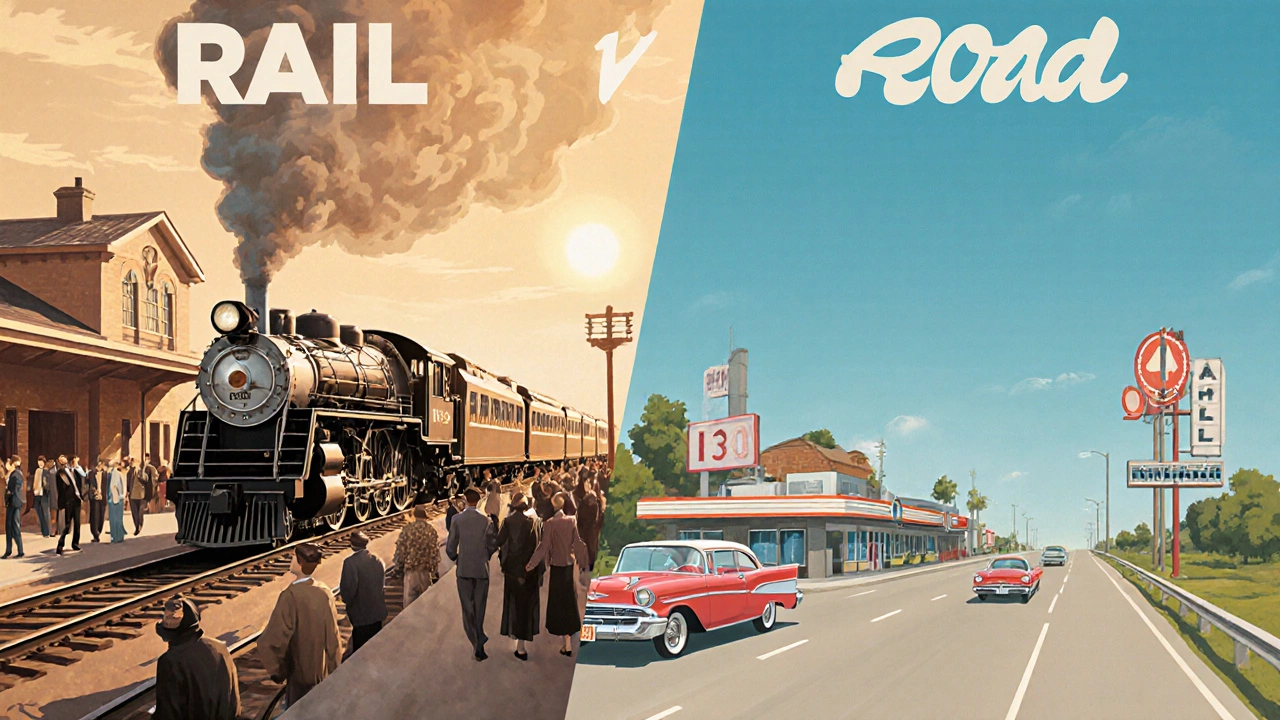
Explore why train travel stays a niche in the US, covering history, funding, culture, competition, and future prospects for rail.
Read More