India's National Dish: Unraveling the Iconic Flavors and Food Debate
There’s no official national dish in India, but debates and flavors run wild. This article sorts facts from fiction and dives into the heart of Indian cuisine.
Read MoreWhen you think of Indian food, two dishes often come to mind: biryani, a fragrant, layered rice dish cooked with spices, meat, and sometimes saffron, often served at celebrations and khichdi, a humble one-pot meal of rice and lentils, cooked with turmeric and cumin, known as India’s ultimate comfort food. These aren’t just meals—they’re cultural symbols. Biryani carries the legacy of Mughal kitchens and royal feasts, while khichdi is the quiet hero of monsoon days, sickbeds, and temple prasad. One is a showstopper; the other is a hug in a bowl.
What makes them so different isn’t just ingredients—it’s intention. Biryani takes hours to make, with marinated meat, fried onions, layered rice, and slow-cooked steam. It’s for weddings, Eid, and Diwali dinners. Khichdi? It’s ready in 30 minutes, uses pantry staples, and is often the first solid food given to babies or the only thing you can stomach after a fever. In South India, you’ll find it with coconut chutney and a side of papad; in the North, it’s paired with ghee and kadhi. Both are deeply regional, but both are universal in how they make people feel. You don’t eat biryani to feel better—you eat it to celebrate. You eat khichdi because you need to feel better.
These dishes also reflect how climate and history shaped Indian eating habits. Biryani thrived in the dry, colder north where spices preserved meat and added warmth. Khichdi became a staple in the humid south and east, where rice and lentils grew easily and digestion mattered more than flair. Even today, you’ll find families in Delhi serving biryani on Sundays and khichdi on Mondays—like a culinary reset button. One feeds the ego, the other feeds the soul.
And here’s the truth: no one wins in a biryani vs khichdi battle. They’re not rivals—they’re partners in India’s food story. You can’t have one without understanding the other. The next time you taste biryani, think of the centuries of trade and empire behind it. The next time you eat khichdi, remember it’s been feeding generations through droughts, wars, and quiet mornings. Both are Indian. Both are perfect. And together, they tell the whole story.
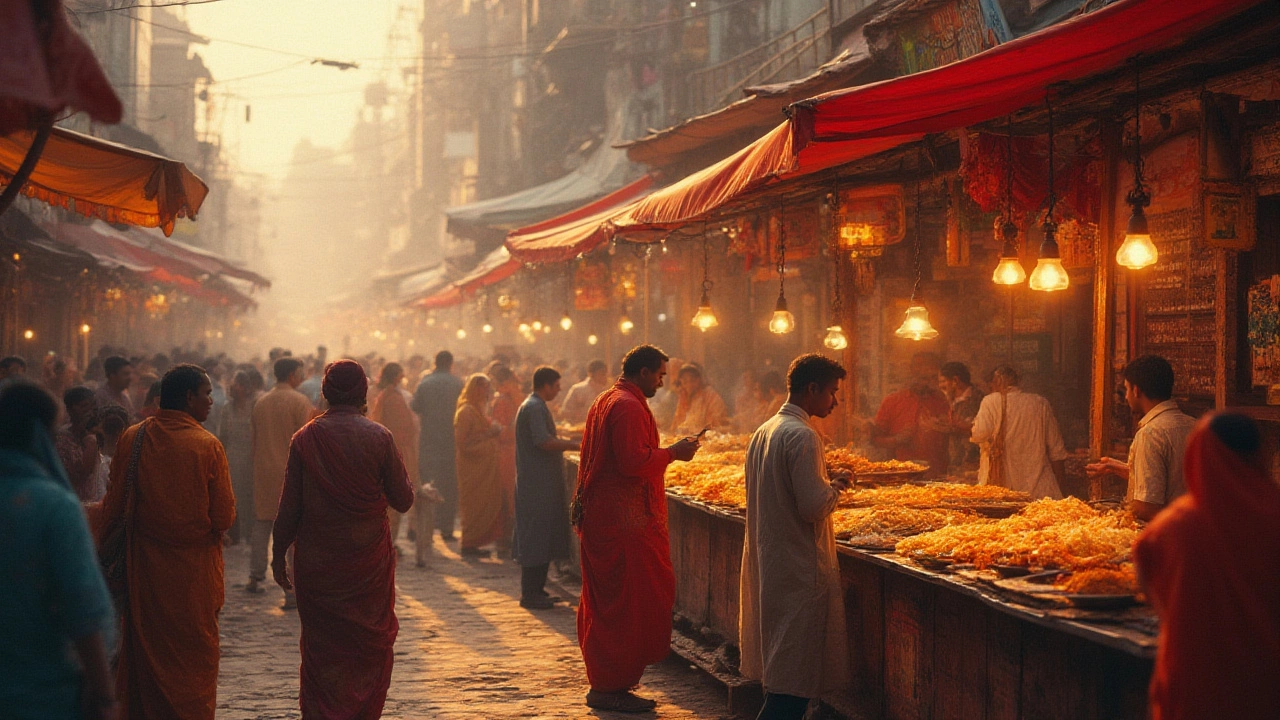
There’s no official national dish in India, but debates and flavors run wild. This article sorts facts from fiction and dives into the heart of Indian cuisine.
Read More