India Travel Budget 2025: How Much Money Do You Really Need?
Discover how much money you need for a trip to India in 2025. Learn real costs for budget, mid-range, luxury travel, and see money-saving tips for every type of traveler.
Read MoreWhen people ask cost of travel in India, the total amount spent on transportation, food, lodging, and attractions during a trip to India. Also known as India travel expenses, it’s often misunderstood as either wildly cheap or unexpectedly expensive. The truth? It depends on how you travel. You can eat a full meal for under $2 in a local market, or spend $100 on a luxury train ride across Rajasthan. Both are real. Both happen every day.
The budget travel India, a style of traveling that prioritizes low-cost options while still experiencing authentic culture and places. Also known as cheap India trip, it’s not about skipping everything—it’s about knowing where to spend and where to save. A night in a clean guesthouse in Goa might cost $8. A local bus ride across Uttar Pradesh? Under $1. Even a three-course meal at a decent restaurant in Delhi won’t break $10. But if you’re flying between states, booking private drivers, or staying in five-star resorts, your daily spend can easily hit $100 or more. The India trip budget, a personalized spending plan for a trip to India based on accommodation, transport, food, and activities. Also known as travel expenses, it’s not one-size-fits-all. One person’s budget is another’s splurge.
What you spend also depends on where you go. A temple visit in Tirupati might cost nothing to enter, but donations and transport add up. A beach stay in Kerala might include free yoga classes, but private villas cost more than hostels. Even something as simple as a train ticket changes dramatically—from a $1 sleeper class seat on a local train to a $50 AC compartment on a luxury route. And don’t forget visas: US travelers pay $160 for a 10-year visa, which is a one-time cost but still part of your upfront budget.
Food is where most travelers save big. Street food in Mumbai, dal-rice combos in Chennai, or a thali in Jaipur can cost less than $3. But if you’re eating at tourist restaurants or ordering imported drinks, that same meal could hit $15. Public transport is another win—buses and trains are cheap, reliable, and connect almost everywhere. Taxis and ride-sharing apps like Ola or Uber are affordable too, especially if you split the fare.
What makes India’s cost of travel so flexible is how much you can control. You don’t need to spend a lot to feel the culture. You don’t need to stay in luxury to see the Taj Mahal. You don’t need to fly everywhere to enjoy the Himalayas. The real secret? It’s not about how much money you have—it’s about how you use it. That’s why so many travelers come back year after year: because India rewards smart spending, not big budgets.
Below, you’ll find real stories, exact prices, and honest breakdowns from people who’ve traveled India on every kind of budget. Whether you’re planning a week or a month, whether you’re flying solo or with family, you’ll find exactly what you need to plan your trip without guesswork—or surprises.
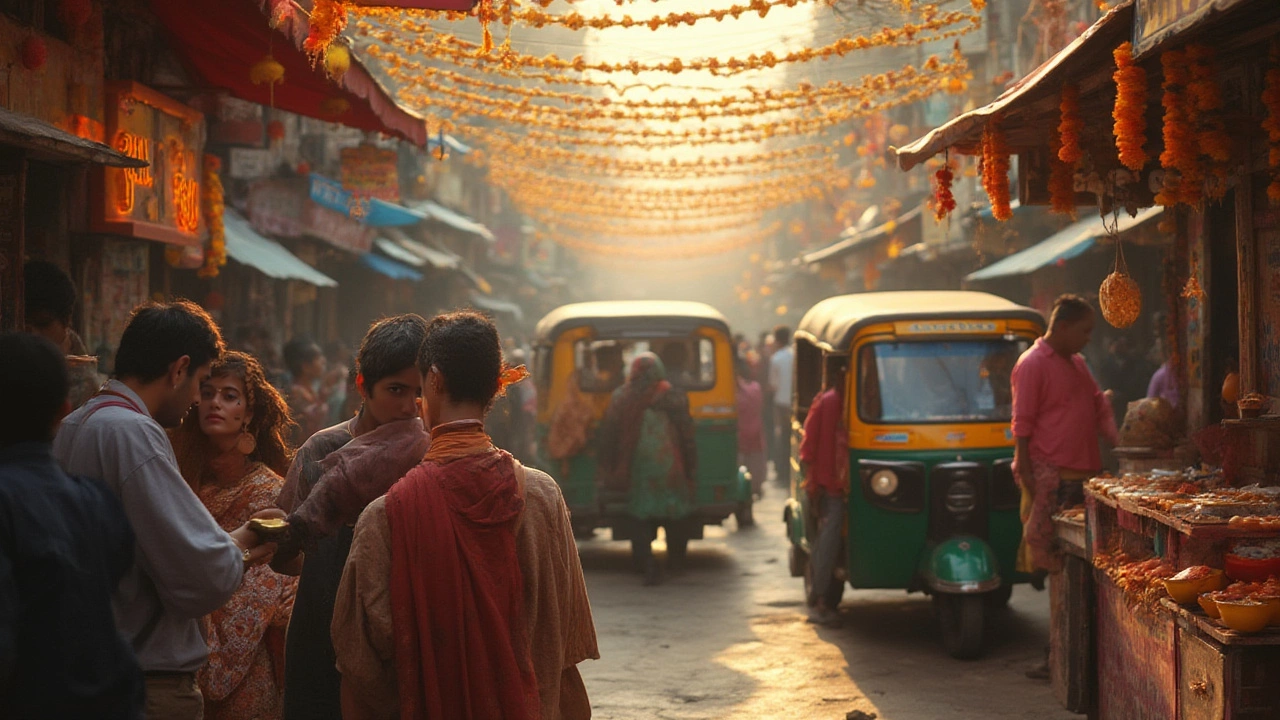
Discover how much money you need for a trip to India in 2025. Learn real costs for budget, mid-range, luxury travel, and see money-saving tips for every type of traveler.
Read More