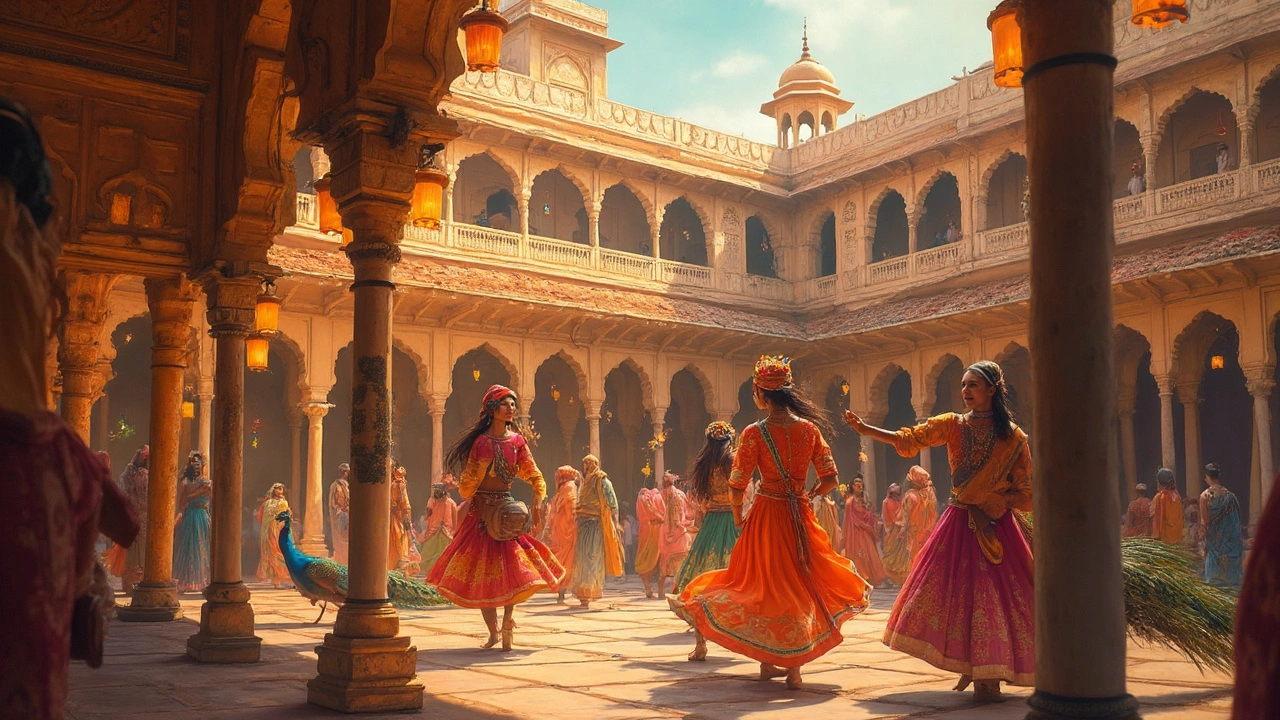
Cultural Diversity India: Discover the Real Heart of the Country
When you think of cultural diversity India, the coexistence of hundreds of languages, religions, and traditions across one nation. Also known as India’s pluralistic heritage, it’s what makes traveling here feel like visiting multiple countries in one trip. This isn’t just about festivals or clothes—it’s in how people eat, pray, celebrate, and speak. From the snow-capped Himalayas to the coconut-lined coasts of Kerala, every region has its own rhythm, rituals, and stories.
One of the clearest signs of this diversity is in Hindu festivals, local celebrations that vary wildly from state to state, even when honoring the same gods. For example, Ratha Yatra in Puri pulls millions through the streets with giant chariots, while in Tamil Nadu, the same deity might be honored with silent temple processions and intricate flower arrangements. Then there’s UNESCO heritage sites, places like the Taj Mahal, Khajuraho temples, and the stepwells of Gujarat. These aren’t just tourist spots—they’re living parts of communities that still worship, teach, and live around them.
And don’t forget the languages. India has 22 officially recognized languages, and over 1,600 dialects. In the north, you’ll hear Hindi, Punjabi, and Urdu. In the south, Tamil, Kannada, and Malayalam dominate. In the northeast, languages like Manipuri and Mizo are spoken by communities that have lived there for centuries. You won’t find this kind of linguistic richness anywhere else on Earth. Even food changes every 200 miles—spicy curries in the south, wheat flatbreads in the north, fermented fish in the east, and millet-based meals in the west.
This isn’t just history—it’s daily life. People in Rajasthan still wear turbans as part of their identity. In Assam, tea plantations are run by families who’ve worked the same land for generations. In Goa, Portuguese architecture sits beside Hindu temples, and Catholic processions happen just blocks from Ganesh Chaturthi celebrations. This blending isn’t forced—it’s natural. And that’s why travelers who come looking for beaches or temples end up staying for the people.
What you’ll find in the posts below isn’t a list of facts. It’s a collection of real experiences—how millions flock to Tirupati for blessings, why Indore is the safest city for families, how Rishikesh balances yoga with adrenaline, and why Maharashtra and Uttar Pradesh lead in heritage sites. You’ll see how safety, travel costs, and local customs all tie back to this deep, living diversity. No two travelers see India the same way. But if you pay attention, you’ll start to see why.