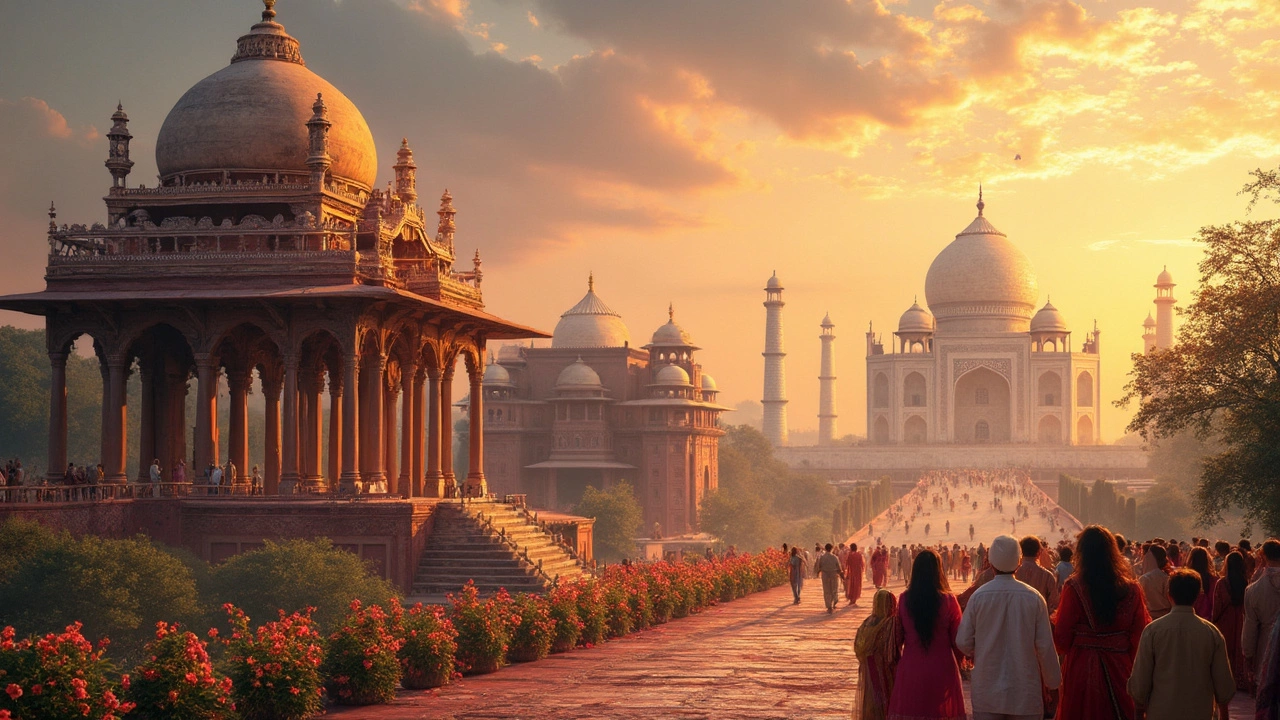
Cultural Landmarks in India: Must-Visit Sites and Their Stories
When you think of cultural landmarks, physical sites that hold deep historical, spiritual, or social meaning for a community. Also known as heritage sites, these places aren’t just tourist stops—they’re living parts of India’s identity. From the marble grandeur of the Taj Mahal to the thunderous chants of the Ratha Yatra chariots in Puri, these landmarks don’t just stand still—they breathe, sing, and pull millions into their rhythm every year.
What makes a place a true cultural landmark? It’s not just age or size. It’s how deeply it’s woven into daily life. The Tirumala Venkateswara Temple, the most visited temple in the world, welcoming over 40 million pilgrims annually isn’t just a building—it’s a city built on faith, where people sleep on temple floors, eat free meals, and walk miles just to touch a deity’s feet. Then there’s the Sri Ratha Yatra, a 500-year-old festival where a million people pull giant wooden chariots through the streets of Puri. No guidebook explains it—you have to feel the dust, hear the drums, and see the hands reaching out to pull the ropes. These aren’t exhibits. They’re events that still shape how people live, pray, and connect.
India’s cultural landmarks also include places that tell stories of empire, art, and resilience. The UNESCO World Heritage Sites, a global list of places with outstanding universal value are scattered across the country, with Uttar Pradesh and Maharashtra leading the pack. You’ll find Mughal forts, stepwells carved by hand, ancient rock temples, and colonial train stations—all still in use, still alive. These aren’t locked behind glass. You can walk through them, sit in their courtyards, and buy chai from the same vendor who’s served travelers for decades.
What you won’t find in most travel brochures? The quiet corners where locals still perform rituals passed down for generations. The temple in Varanasi where priests chant Vedic hymns before sunrise. The village in Odisha where artisans still carve wooden chariots using tools their grandfathers used. These aren’t performances for tourists. They’re traditions kept alive because people still believe in them.
Whether you’re drawn to the roar of a festival, the silence of a centuries-old temple, or the intricate carvings on a forgotten palace wall—India’s cultural landmarks offer more than sightseeing. They offer connection. You’ll leave with photos, sure. But more than that, you’ll carry stories. The ones you hear from the vendor who sold you jalebi near the temple gate. The ones whispered by the guide who showed you the hidden step in the fort wall. The ones you feel when you stand under a dome built a thousand years ago and realize: people have stood right here, feeling the same awe.
Below, you’ll find real stories from travelers who’ve walked these paths, stood in these spaces, and come back changed. No fluff. Just facts, tips, and the unfiltered truth about what makes these places matter.