Cultural Tourism in India: Explore Heritage, Festivals, and Sacred Sites
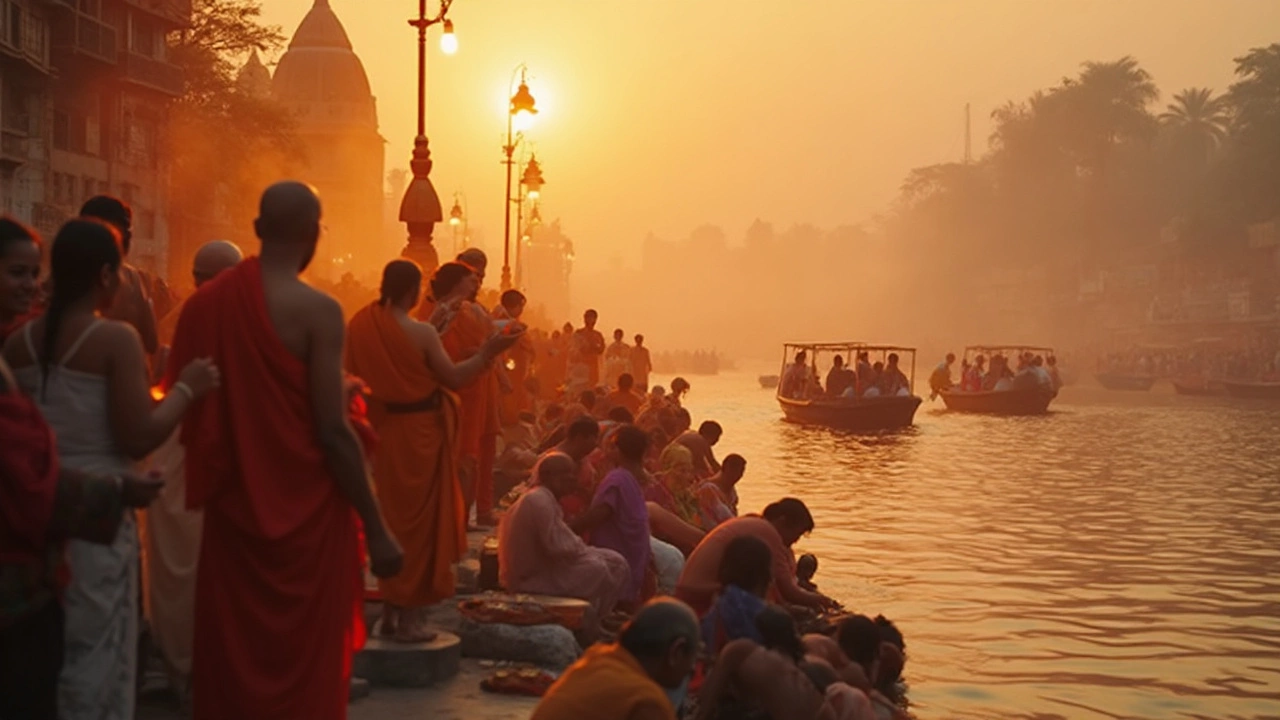
When you think of cultural tourism, travel focused on experiencing the traditions, history, and living customs of a place. Also known as heritage tourism, it’s not just about seeing monuments—it’s about understanding why they matter to the people who live with them every day. In India, cultural tourism isn’t a niche interest; it’s the backbone of travel. From the chants at a temple in Tirupati to the roar of thousands pulling chariots in Puri, this country doesn’t just preserve its past—it lives it.
One major part of cultural tourism in India is temple tourism, journeys centered around visiting sacred Hindu sites that function as spiritual, social, and economic hubs. The Tirumala Venkateswara Temple draws over 40 million pilgrims a year—not because it’s old, but because it’s alive. People don’t just visit; they come to give, pray, and be part of something bigger. Then there’s Indian festivals, large-scale public celebrations tied to religion, season, or history that transform cities into vibrant stages of tradition. Sri Ratha Yatra in Puri isn’t a performance—it’s a movement. Over a million people pull massive wooden chariots through the streets, a tradition unchanged for centuries. These aren’t tourist shows. They’re real, breathing rituals.
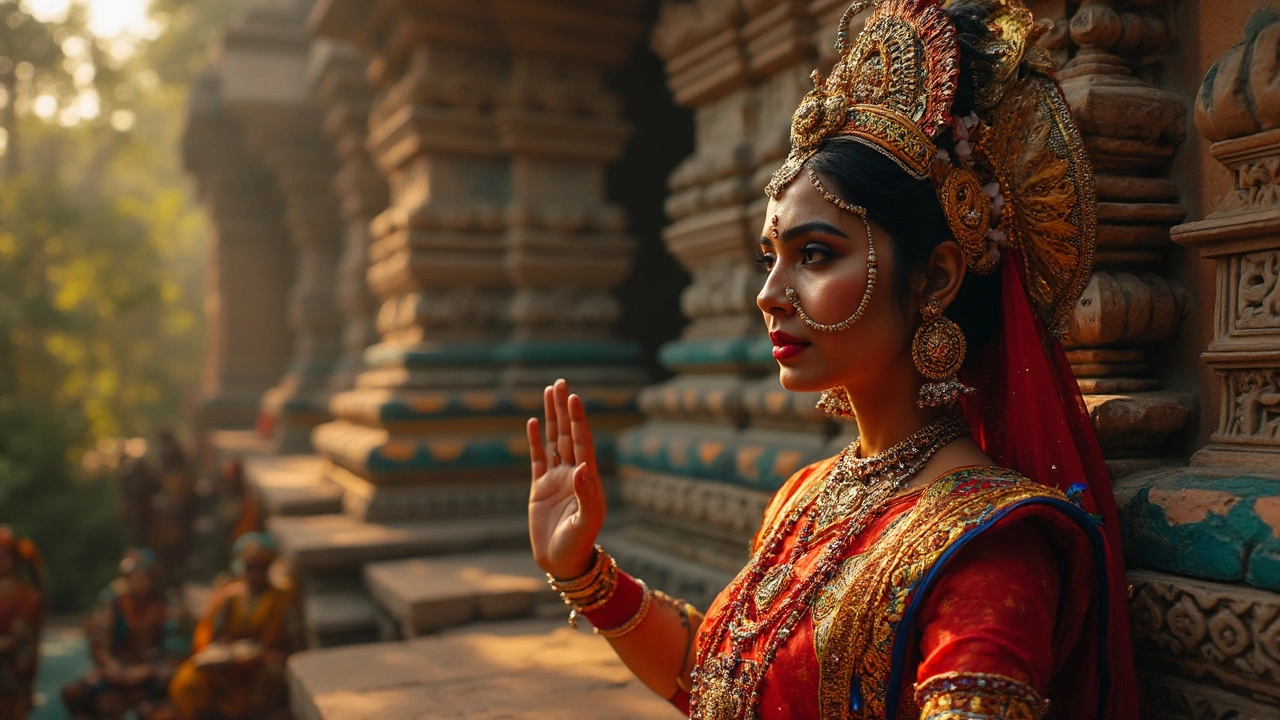
And then there’s the heritage. UNESCO heritage sites, locations recognized globally for their outstanding cultural or historical value. Uttar Pradesh and Maharashtra lead the pack with eight each—Taj Mahal, Khajuraho, Ajanta Caves, Elephanta Caves. These aren’t just postcard spots. They’re places where craftsmanship, faith, and empire collided and left behind something timeless. You don’t just walk through them—you feel the weight of centuries.
What makes cultural tourism in India different? It’s not curated. It’s not sanitized. You’ll find yoga in Rishikesh, but you’ll also find street vendors selling prasad next to meditation centers. You’ll stand in front of a 1,000-year-old temple, then step into a local home where they’re cooking the same dish their ancestors did. There’s no filter. No stage. Just real life, layered with meaning.
This collection of articles doesn’t just list places. It shows you how culture shapes travel here. You’ll learn why Rishikesh isn’t just about yoga—it’s about the river, the monks, the backpackers, and the silence between chants. You’ll see how a single festival can feed a whole city. You’ll find out which state has the most heritage sites, and why that matters for your trip. Whether you’re drawn to quiet temples, loud processions, or ancient stone carvings, you’ll find what you’re looking for—and maybe something you didn’t know you needed.