Cultural Travel in India: Explore Temples, Festivals, and Heritage Sites
When you think of cultural travel, travel focused on experiencing the traditions, beliefs, and daily life of a place. Also known as heritage tourism, it’s not about checking off landmarks—it’s about understanding why people do what they do. In India, cultural travel means walking through streets where millions pull giant chariots during Sri Ratha Yatra, a 500-year-old festival in Puri where devotees pull deities through the city, or standing silent in front of the Tirumala Venkateswara Temple, the most visited temple in the world, drawing over 40 million pilgrims every year. This isn’t tourism as a sightseeing trip. It’s participation.
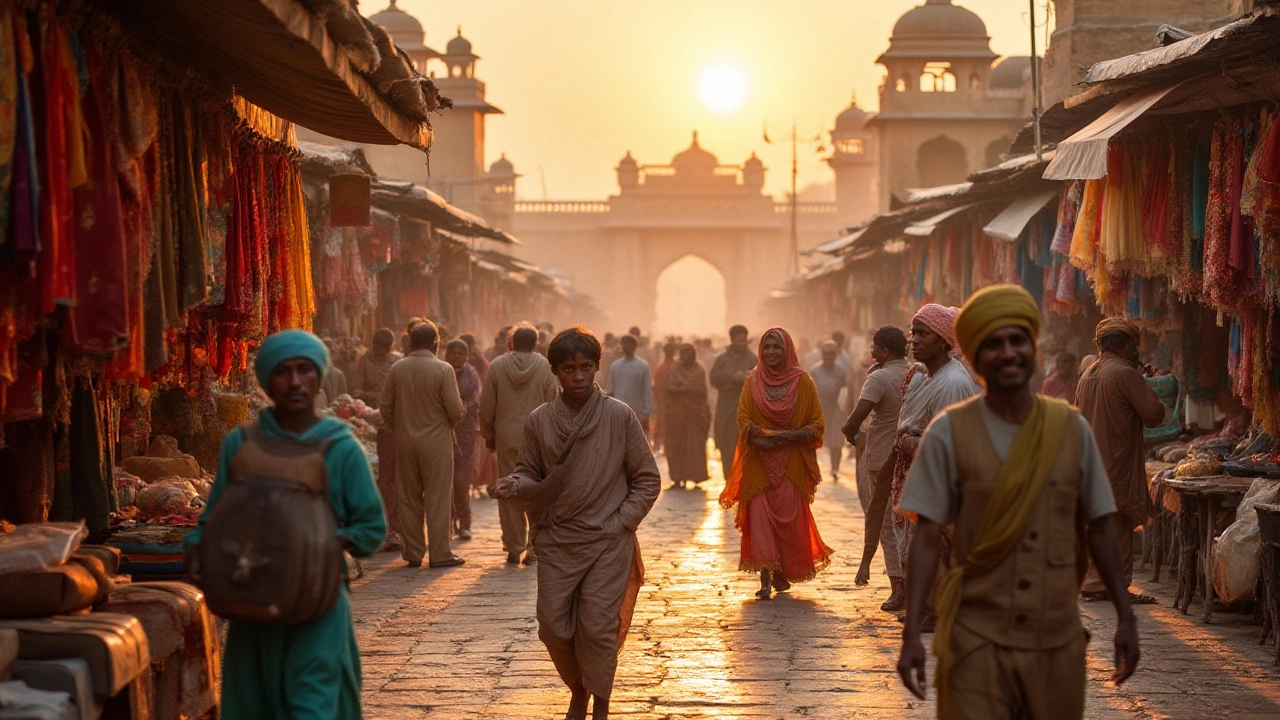
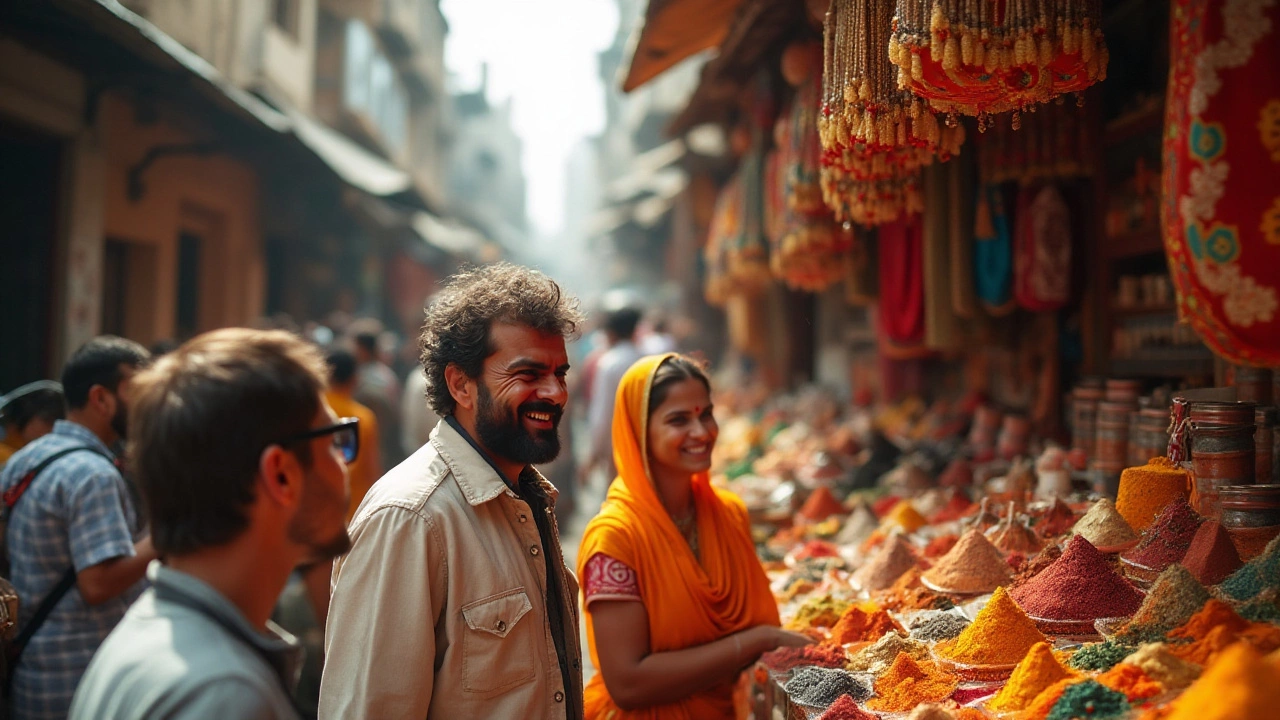
Cultural travel in India isn’t limited to temples. It’s in the rhythm of life around UNESCO World Heritage Sites, places like the Taj Mahal, Khajuraho temples, and the forts of Uttar Pradesh and Maharashtra that tell stories older than modern nations. It’s in the way a family in Varanasi lights diyas by the Ganges at dusk, or how a street vendor in Jaipur still hand-paints block prints the same way his grandfather did. You don’t just watch these things—you feel them. And that’s what makes cultural travel different from regular sightseeing. You’re not a visitor. You’re a witness.
India’s cultural landscape is huge. Some travelers come for the spiritual side—the yoga retreats in Rishikesh, the silent meditation halls of Dharamshala. Others chase the energy of festivals, the colors of Diwali, the drumbeats of Holi. Then there are those who walk through ancient cities like Hampi or Orchha, tracing the footsteps of kings and artisans. No matter your reason, cultural travel here demands curiosity. It asks you to slow down, listen more, and ask questions. It’s not about how many places you hit, but how deeply you connect with one.
What you’ll find below isn’t a list of places to see. It’s a collection of real stories—about the safest cities for travelers, the biggest temple festivals, the most visited heritage sites, and how to plan a trip that doesn’t just look good on Instagram but actually changes how you see the world. Whether you’re wondering why Rishikesh draws millions or which state has the most UNESCO sites, the answers here are grounded in what people actually experience, not what brochures say.