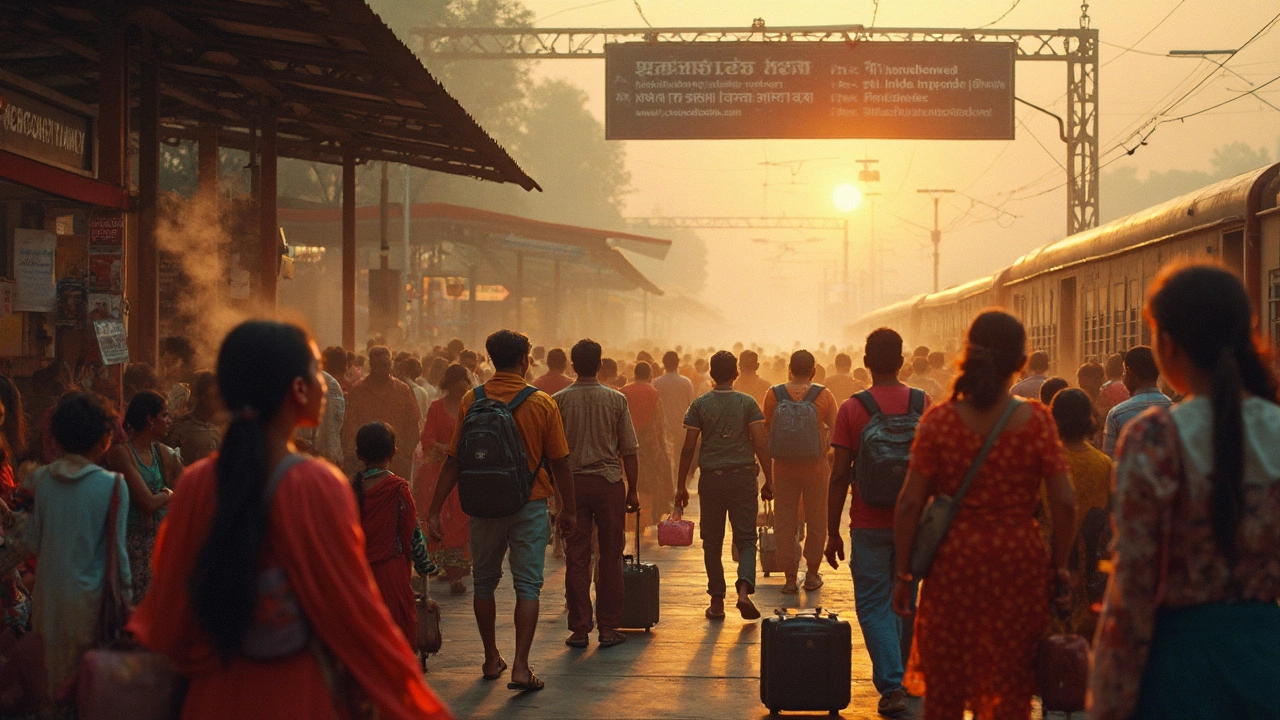
Delhi: Where Ancient Empires Meet Modern India
When you think of Delhi, the capital city of India and a living museum of dynasties, invasions, and reinvention. Also known as National Capital Territory of Delhi, it’s not just a political center—it’s where Mughal palaces stand beside street food stalls, and centuries of history unfold in every alley. This city doesn’t just show you India’s past—it lets you walk through it.
Delhi is home to UNESCO World Heritage Sites, including the Red Fort and Humayun’s Tomb, which draw millions each year. These aren’t just postcard spots—they’re places where locals still pray, vendors still sell spices under the same arches used by emperors, and guides still tell stories passed down for generations. Nearby, Qutub Minar, a 73-meter-tall stone tower built in the 12th century, stands as a silent witness to the rise and fall of empires. You don’t just visit these places—you feel them.
But Delhi isn’t just about monuments. It’s a city of contrasts. One moment you’re haggling for spices in Chandni Chowk, the next you’re sipping chai in a quiet garden near Lodhi Gardens. It’s also a city where safety matters. While Indore, India’s safest city for tourists, often tops lists, Delhi offers a different kind of security: one built on awareness, not isolation. Most tourists find Delhi perfectly safe if they stick to well-known areas, avoid isolated spots at night, and trust local advice. The real risk? Getting lost in its chaos—and loving every minute of it.
What you’ll find below are real, practical guides written by travelers who’ve been there. From how to avoid tourist traps at the Jama Masjid to the best way to eat parathas in Old Delhi without getting sick, these posts cut through the noise. You’ll see why Delhi isn’t just another stop on the India itinerary—it’s the heart of it. Whether you’re here for history, food, or just to feel the pulse of a city that never sleeps, this collection gives you what you actually need to know—not fluff, not hype, just what works.