Which City Is Called the Europe of India? Puducherry (Pondicherry) 2025 Guide
Quick answer: Puducherry (Pondicherry). Get the why, must-sees, best time, costs, and smart tips. Simple, practical, and updated for 2025 travel planning.
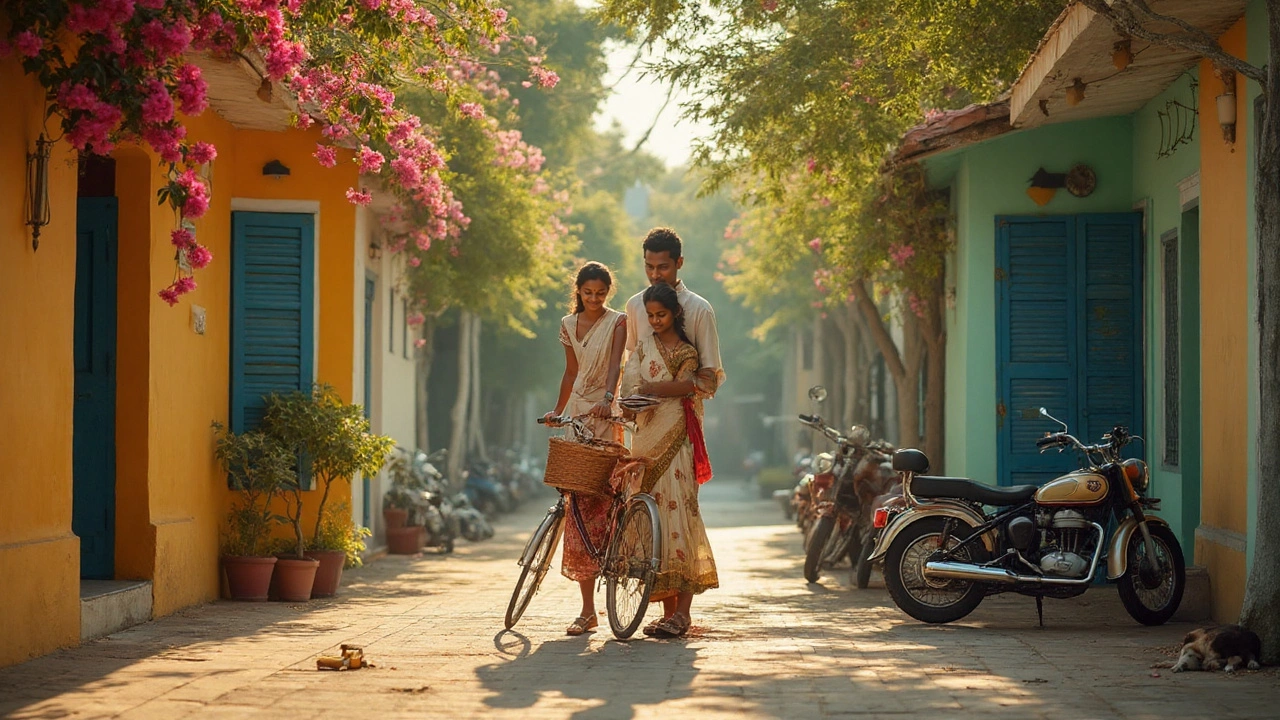
Read MoreWhen you step into French Quarter White Town, the historic French colonial district in Pondicherry, India. Also known as Pondicherry’s White Town, it’s one of the few places in India where time seems to have stopped in the 18th century. This isn’t just a neighborhood—it’s a living museum of French rule that lasted over 130 years, long after the British took over most of the subcontinent. You’ll find cobbled streets, shuttered villas with wrought-iron balconies, and street signs still written in French. The architecture doesn’t scream "colonial"—it whispers it, softly, in pastel blues, yellows, and greens.
What makes White Town different from other heritage spots in India? It’s not about grand temples or Mughal forts. It’s about quiet corners, French bakeries serving croissants beside dosa stalls, and locals who still speak a mix of Tamil and French. This area was never a military stronghold or trading hub—it was a place where French administrators lived, raised families, and built homes that reflected their homeland. Today, those homes are cafes, guesthouses, and art galleries. The UNESCO World Heritage Sites, including nearby sites like the Taj Mahal and Khajuraho, draw millions, but White Town draws travelers who want something slower, quieter, and deeply personal.
White Town doesn’t need crowds to feel alive. Walk down Rue Dumas or Rue de la Liberté and you’ll see how the French planned this place: wide roads for carriages, central squares for gatherings, and houses with high ceilings to catch the breeze. You’ll notice the absence of temples here—not because religion was banned, but because this was a European settlement. Yet, Indian life seeped in anyway. You’ll find Hindu families living next door to French-descended owners. You’ll taste coconut chutney on baguettes. You’ll hear the call to prayer from a nearby mosque blending with the sound of a French accordion drifting from a rooftop bar.
This is why White Town matters. It’s not a relic. It’s a cultural hybrid that survived independence, modernization, and tourism. Unlike other colonial zones that were torn down or turned into theme parks, White Town stayed real. The Indian government protected it—not as a monument, but as a neighborhood. That’s rare. And that’s why you’ll find so many posts here about safety, travel tips, and hidden spots. People don’t come to White Town to check a box. They come to feel something.
What you’ll find in the posts below? Real stories from travelers who wandered these streets at sunrise, ate at the same bakery for three days straight, or got lost in a maze of alleys and found a hidden courtyard with a fountain. You’ll learn how to visit without crowds, where to find the best coffee, and why this place is one of India’s safest and most peaceful spots for solo travelers. You’ll also see how it connects to bigger ideas—like heritage preservation, cultural blending, and what it means to live between two worlds. This isn’t just a tourist spot. It’s a conversation between two cultures that never fully let go of each other.
Quick answer: Puducherry (Pondicherry). Get the why, must-sees, best time, costs, and smart tips. Simple, practical, and updated for 2025 travel planning.
Read More