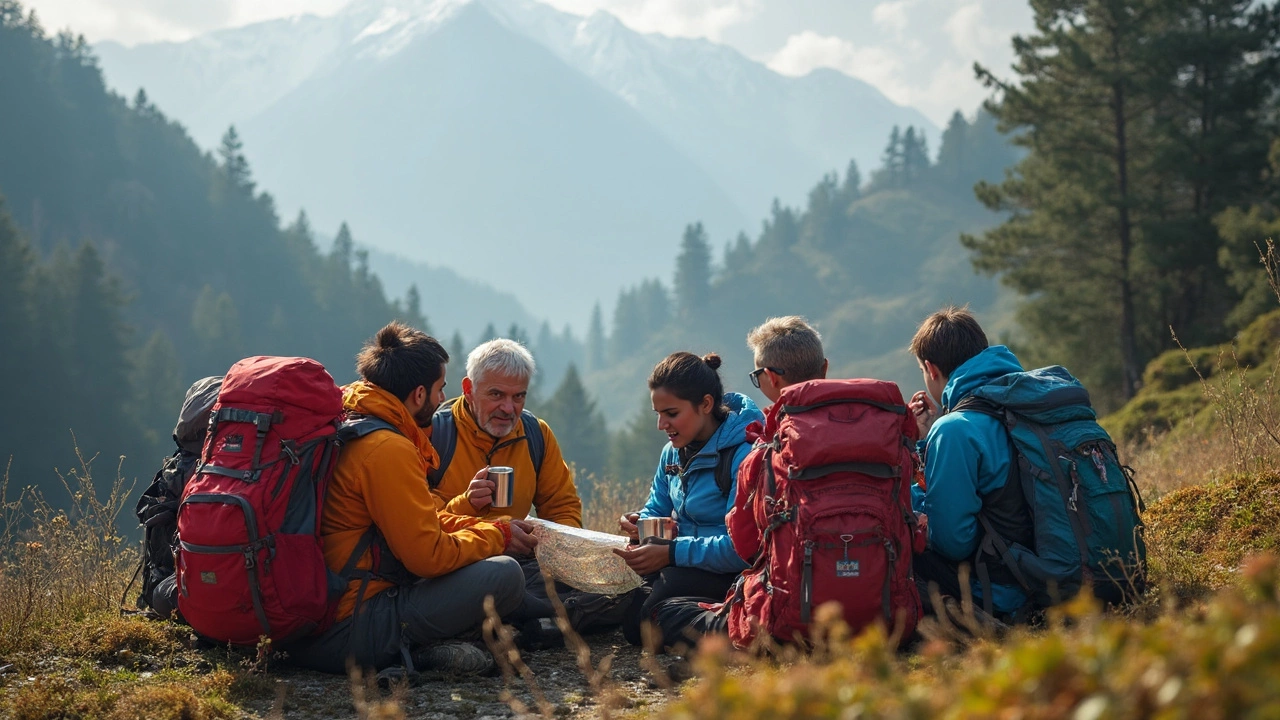
Himalayas Treks: Best Trails, When to Go, and What to Expect
When you think of Himalayas treks, long-distance walking routes through the world’s highest mountain range, offering breathtaking views and deep cultural immersion. Also known as Himalayan hiking, these treks are not just physical journeys—they’re gateways to ancient monasteries, silent valleys, and skies so clear you can touch the stars. India’s stretch of the Himalayas holds some of the most diverse and accessible treks on the planet, from the spiritual trails of Uttarakhand to the remote high-altitude paths of Ladakh.
These treks aren’t one-size-fits-all. You’ve got trekking in India, a broad category that includes everything from gentle forest walks to multi-week expeditions above 5,000 meters, and the Himalayas are its crown jewel. Whether you’re looking for a five-day walk to a hidden lake near Gangotri or a 12-day climb to the base of Kanchenjunga, there’s a trail that matches your fitness, time, and goals. Many of these routes pass through villages where locals still live by centuries-old traditions—offering tea, stories, and homestays along the way. You’ll also find Himalayan trails, specific paths carved by pilgrims, traders, and now adventurers, each with its own rhythm and challenge—like the Valley of Flowers, Roopkund, or the Markha Valley. These aren’t just paths on a map; they’re living corridors of culture and nature.
The best time to go? Late spring (April–June) and early autumn (September–October) give you the clearest skies and safest trails. Winter brings snow and closure to many routes, while monsoon season turns paths into muddy slides. You don’t need fancy gear to start—just good boots, a rain jacket, and a sense of curiosity. Altitude sickness is real, so take it slow. Many trekkers underestimate how thin the air gets above 3,000 meters. Local guides know the signs. Listen to them.
What you’ll find below are real, tested routes and tips from travelers who’ve walked them. You’ll learn which treks are perfect for first-timers, which ones require permits, where to find the best views without the crowds, and how to plan your days so you actually enjoy the journey—not just survive it. No fluff. No guesswork. Just the facts you need to step onto the trail with confidence.