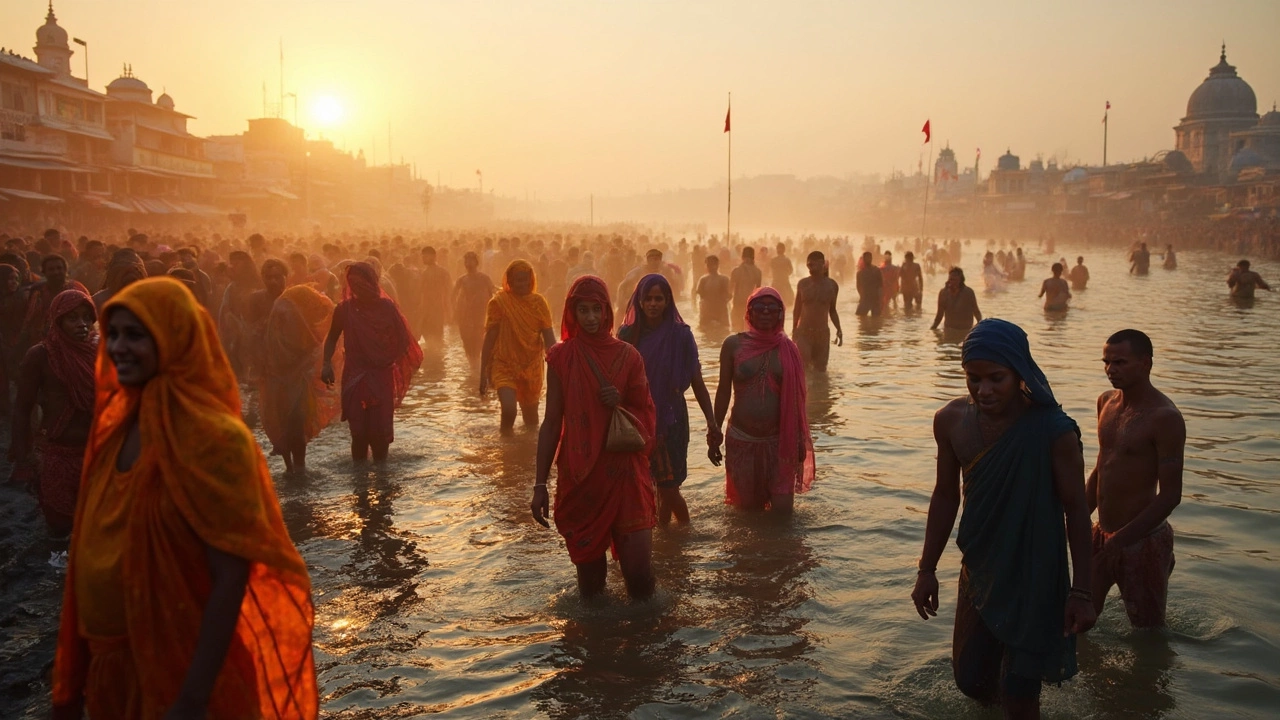
Hindu Pilgrimage: Top Sacred Sites and Festivals in India
When people talk about Hindu pilgrimage, a spiritual journey to sacred sites rooted in ancient tradition and deep devotion. Also known as tirtha yatra, it’s not just travel—it’s a way of life for over a billion people. Every year, tens of millions walk, ride, or fly to temples that have stood for centuries, not to see landmarks, but to touch the divine.
At the center of this movement is the Tirumala Venkateswara Temple, the most visited temple in the world, drawing over 40 million pilgrims annually in Tirupati. People come for blessings, for peace, for answers. They climb 1,200 steps barefoot. They shave their heads. They wait hours just to catch a glimpse of the deity. Then there’s the Sri Ratha Yatra, the biggest temple festival in India, where a million people pull 45-foot-tall chariots through the streets of Puri to carry Lord Jagannath. It’s not a parade—it’s a living, breathing act of faith older than most modern nations.
These aren’t just tourist spots. They’re emotional anchors. Pilgrims don’t go to see architecture—they go to feel something. The scent of incense at Haridwar. The sound of bells in Varanasi. The chill of the Himalayas near Kedarnath. Each site has its own rhythm, its own story, its own pull. And they’re not all remote mountain temples. Some, like the Golden Temple in Amritsar, sit in bustling cities, welcoming everyone regardless of faith.
What makes Hindu pilgrimage different from other spiritual journeys? It’s the scale, the chaos, the warmth. You’ll find families traveling with grandparents, solo travelers seeking clarity, and young couples praying for children. You’ll see people giving up everything for a single day in a temple courtyard. And you’ll realize this isn’t about religion alone—it’s about identity, memory, and belonging.
Behind every pilgrimage site is a story of service. The Tirupati temple feeds over 100,000 people a day. The Ratha Yatra feeds thousands more. These aren’t just places of worship—they’re engines of community, charity, and culture. And they’re open to anyone who walks through the gates with respect.
What you’ll find in the posts below are real stories from these journeys—the quiet moments, the unexpected encounters, the practical tips you won’t hear from guidebooks. Whether you’re planning your first pilgrimage or just curious why millions make the trip, these articles give you the truth: not the polished version, but the real, raw, human side of Hindu pilgrimage in India.