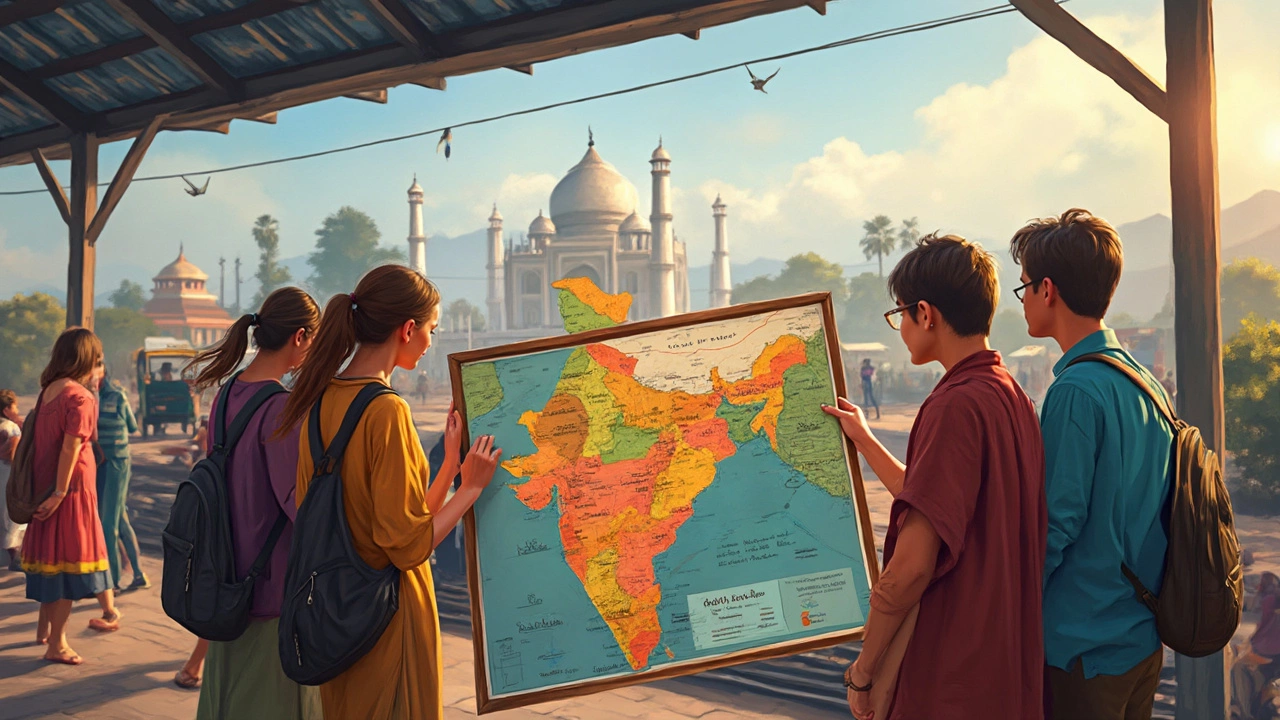
India Travel Health: Essential Tips for Safe and Smooth Trips
When you're exploring India, your India travel health, the combination of precautions, awareness, and planning that keeps you well while traveling across the country. Also known as traveler’s health in India, it’s not about fear—it’s about smart choices. Millions visit every year without issues, but a few simple steps can turn a minor inconvenience into a non-event. From street food in Delhi to temple visits in Varanasi, your body will face new bacteria, climates, and routines. Knowing what to expect and how to prepare makes all the difference.
One of the biggest risks isn’t the food itself—it’s the water. Always drink sealed bottled water, even for brushing your teeth. Avoid ice unless you’re sure it’s made from purified water. Street food is safe if it’s hot, freshly cooked, and served to you right away. Think of it like this: if it’s boiling hot and you see the cook handling it, you’re likely fine. But if it’s been sitting out, skip it. Vaccines matter too. Make sure your routine shots are up to date—tetanus, hepatitis A, and typhoid are the top three recommended for most travelers. Rabies is rare but serious; if you’re planning to hike or spend time in rural areas, talk to your doctor about the pre-exposure shot.
Heat and sun are silent threats. Many travelers underestimate how quickly dehydration sets in, especially in Rajasthan or South India. Carry a reusable bottle, wear a hat, and don’t wait until you feel dizzy to drink. Diarrhea is the most common illness—carry oral rehydration salts and loperamide. Pharmacies across India stock these, but bring your own just in case. Also, know where to find trusted clinics. In major cities like Delhi, Mumbai, or Indore, international-standard clinics exist. Hospitals in tourist areas often have English-speaking staff. Don’t wait until you’re sick to find them.
Medications are another key piece. Pack a small first-aid kit with pain relievers, antihistamines, anti-nausea pills, and any prescription meds you take daily. Keep them in your carry-on. India doesn’t always have the same brands you use at home, and generics can vary. If you need a refill, a local doctor can usually prescribe something equivalent. And remember—don’t take antibiotics unless prescribed. Self-medicating can make things worse.
India’s diversity means health risks vary by region. Coastal areas like Goa have higher mosquito activity, so use DEET-based repellent. The Himalayas bring altitude sickness risks if you’re hiking above 2,500 meters. Rishikesh and Dharamshala are popular, but you still need to acclimate slowly. Even in safe cities like Indore, hygiene standards differ between hotels and local eateries. Stay alert, but don’t panic. Most travelers have smooth trips because they plan ahead, not because they got lucky.
What you’ll find below are real, tested tips from travelers who’ve been there—on beaches, temples, trains, and mountains. From what to pack in your first-aid kit to which hospitals to trust and how to handle food poisoning on the road, these posts give you the facts without the fluff. No guesswork. Just clear, practical advice to keep you healthy so you can focus on what matters: experiencing India.