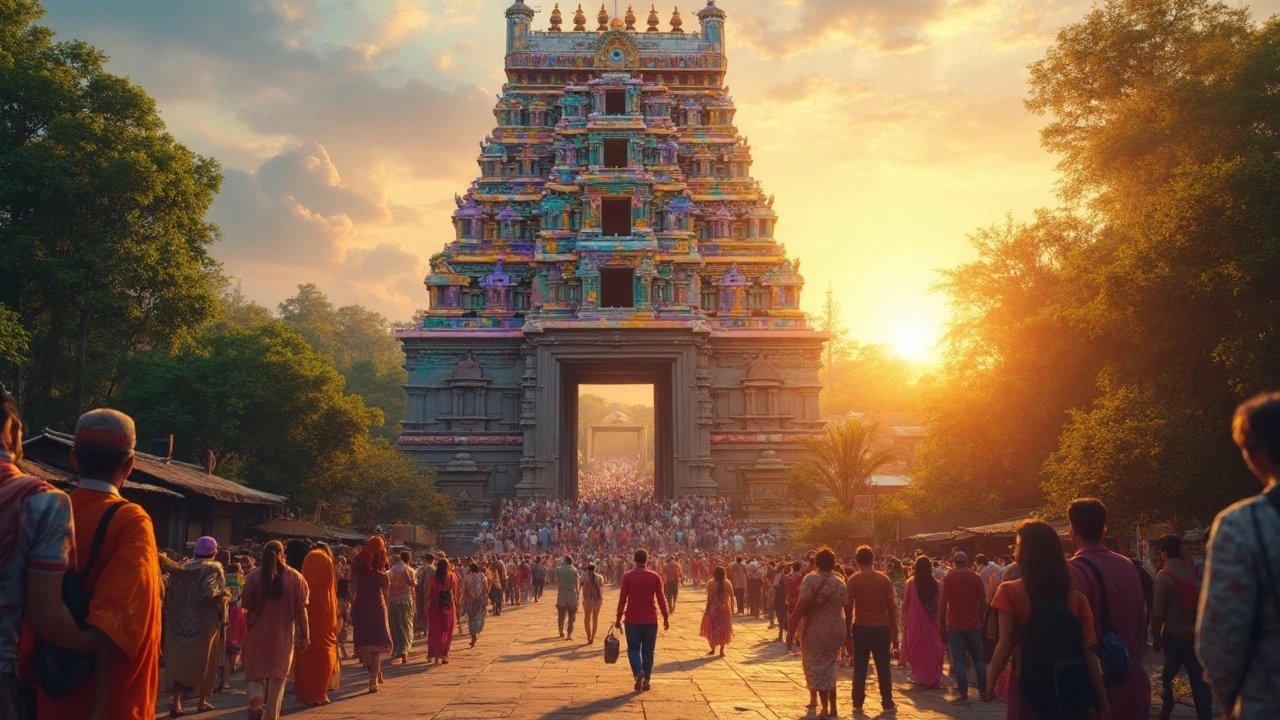
Indian Architecture: Discover the Hidden Stories Behind India's Most Iconic Buildings
When you think of Indian architecture, the unique blend of spiritual symbolism, regional materials, and centuries-old craftsmanship that defines India’s built environment. Also known as Hindu and Mughal architecture, it’s not just about buildings—it’s about belief systems carved in stone, wood, and marble. From the soaring spires of South Indian temples to the white domes of the Taj Mahal, every structure tells a story of power, devotion, or trade. This isn’t just history you look at—it’s history you feel in the shadows of arches, the rhythm of jali screens, and the echo inside a pillared mandapa.
There are two major threads running through Hindu temple architecture, a system of sacred design rooted in Vedic texts, where every part of the temple has spiritual meaning and Mughal architecture, a fusion of Persian, Islamic, and Indian styles that gave us palaces with courtyards, gardens, and perfect symmetry. You’ll find Hindu temples like Tirumala Venkateswara or the Khajuraho group using intricate carvings to map the cosmos onto stone, while Mughal masterpieces like the Red Fort and Fatehpur Sikri use red sandstone and white marble to show off imperial control and artistic harmony. These aren’t random styles—they’re deliberate languages of power and faith. And many of them? They’re UNESCO World Heritage Sites, protected not just because they’re old, but because they still shape how people live, pray, and travel today.
What makes Indian architecture so powerful isn’t just its beauty—it’s how it survives. You can walk through a 1,200-year-old temple in Tamil Nadu and still feel the same awe as a pilgrim did centuries ago. Or stand under the arches of a 400-year-old palace in Jaipur and hear the same echoes of courtly life. This is architecture that didn’t just endure—it adapted. It absorbed influences from traders, invaders, and local artisans without losing its soul. And today, you can see that same spirit in the way modern Indian cities blend glass towers with traditional jharokhas and courtyards.
What you’ll find below are real, grounded stories about India’s most unforgettable buildings—not just the famous ones, but the ones that reveal how culture, religion, and geography shaped the land. Whether it’s why a temple in Odisha pulls a million people behind a chariot, or how a single state holds more heritage sites than any other, these posts connect the dots between stone and soul. You’ll learn where to go, what to look for, and why these places still matter—not as museum pieces, but as living parts of India.