India's National Dish: Unraveling the Iconic Flavors and Food Debate
There’s no official national dish in India, but debates and flavors run wild. This article sorts facts from fiction and dives into the heart of Indian cuisine.
Read MoreWhen you think of Indian food traditions, the deep-rooted cultural practices around cooking, sharing, and honoring meals across India’s diverse communities. Also known as Indian culinary customs, these traditions aren’t just about taste—they’re tied to religion, seasons, family roles, and regional identity. Every bite carries history. A simple rice ball offered at dawn in Tamil Nadu isn’t just breakfast—it’s a ritual to honor ancestors. A plate of puri-aloo in North India during Diwali isn’t just festive food—it’s a symbol of abundance and joy passed down for generations.
These traditions vary wildly from state to state. In Kerala, meals are served on banana leaves with coconut-based curries and pickles that reflect the coast’s abundance. In Punjab, the tandoor oven is more than a cooking tool—it’s the heart of community gatherings, where bread is baked for weddings, funerals, and harvests. In Gujarat, meals follow a strict sequence: sweet first, spicy last, to balance the body’s energy. And in Bengal, fish isn’t just protein—it’s sacred, especially during Durga Puja, when it’s prepared in dozens of ways to honor the goddess. These aren’t random recipes. They’re living systems shaped by climate, caste, and centuries of belief.
Food in India doesn’t just feed the body—it holds memory. A mother teaches her daughter how to roll roti the same way her grandmother did. A temple in Varanasi serves free meals to thousands daily, not as charity, but as dharma—a spiritual duty. Even the way you eat matters: using your right hand, not a fork, connects you to a practice older than most modern nations. These customs survive because they’re lived, not just preserved. They’re in the way a family gathers after temple, how street vendors time their snacks to match prayer hours, or how fasting rules dictate what you can eat during Navratri.
What you’ll find below isn’t a list of recipes. It’s a collection of real stories from people who live these traditions daily. You’ll read about the biggest temple festivals where food is the main offering, the safest cities where street food thrives under strict hygiene rules, and how budget travelers eat like locals for under $20 a day. You’ll learn why certain dishes appear only during specific seasons, how pilgrimage routes shape food supply chains, and which meals are considered sacred—and why some are forbidden. This isn’t tourism. It’s truth. And it’s all rooted in the simple, powerful idea that in India, eating is never just eating.
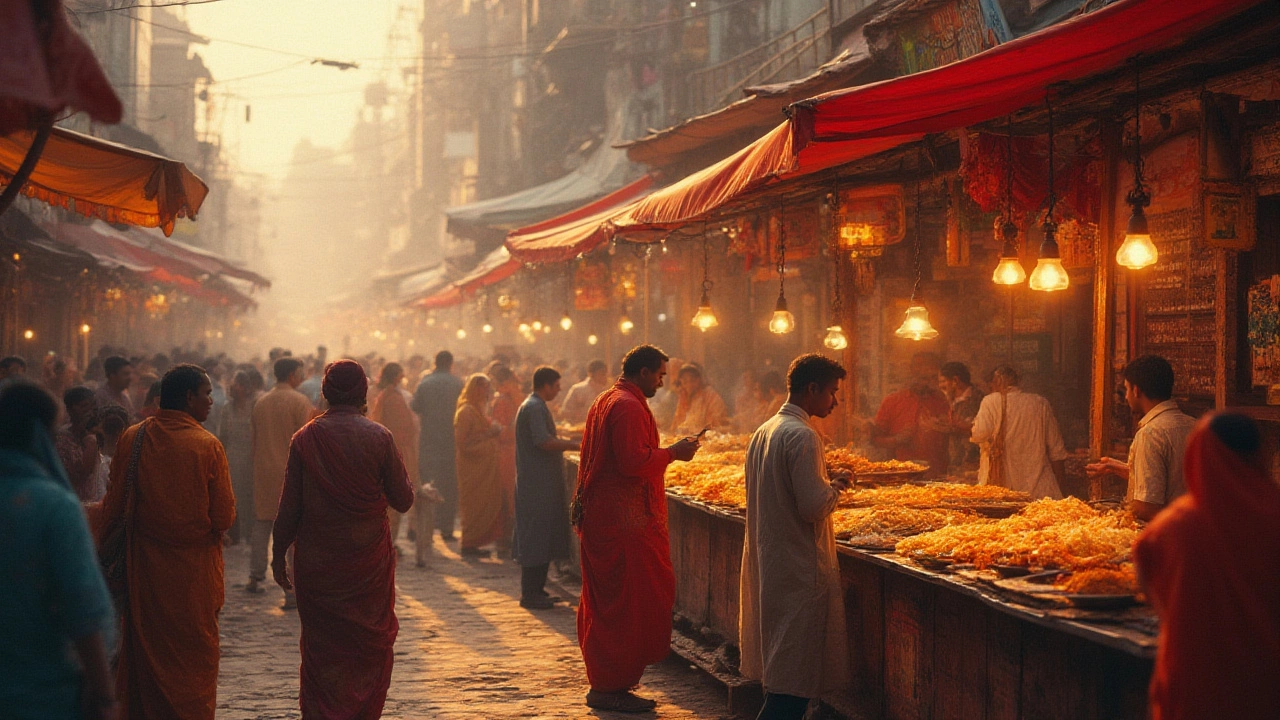
There’s no official national dish in India, but debates and flavors run wild. This article sorts facts from fiction and dives into the heart of Indian cuisine.
Read More