Indian Heritage: Discover India's Living Culture and Ancient Wonders
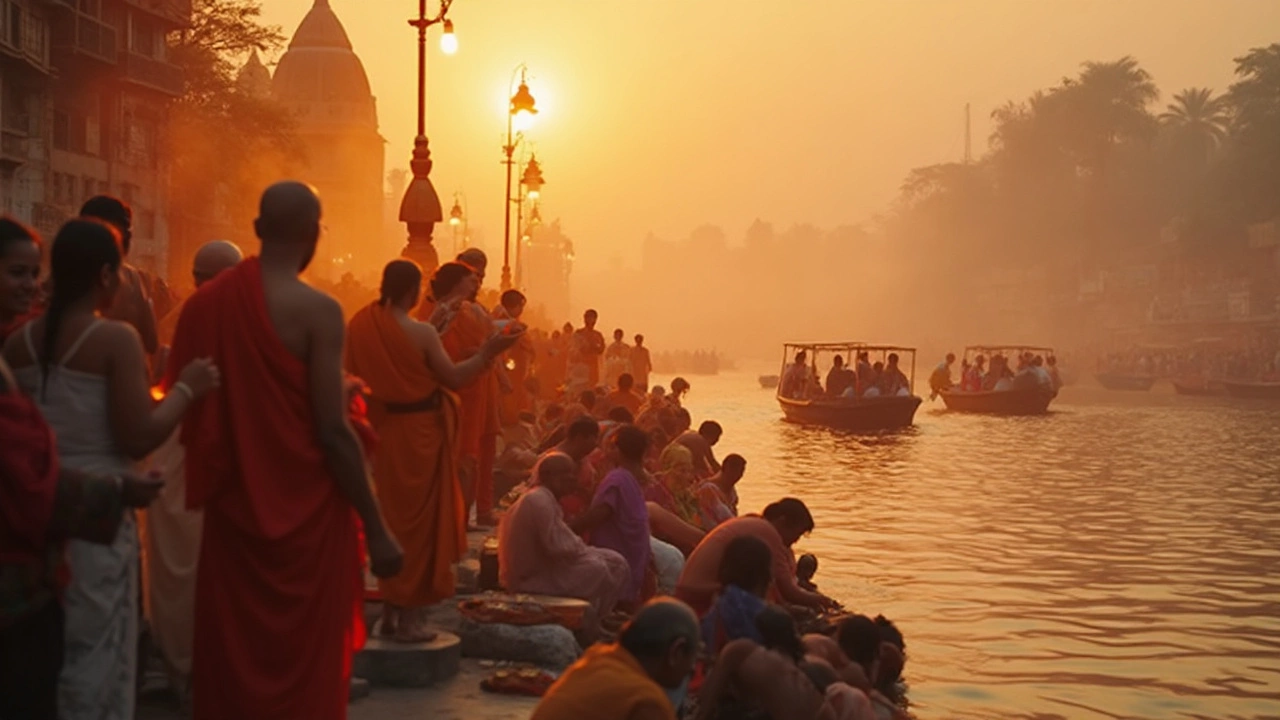
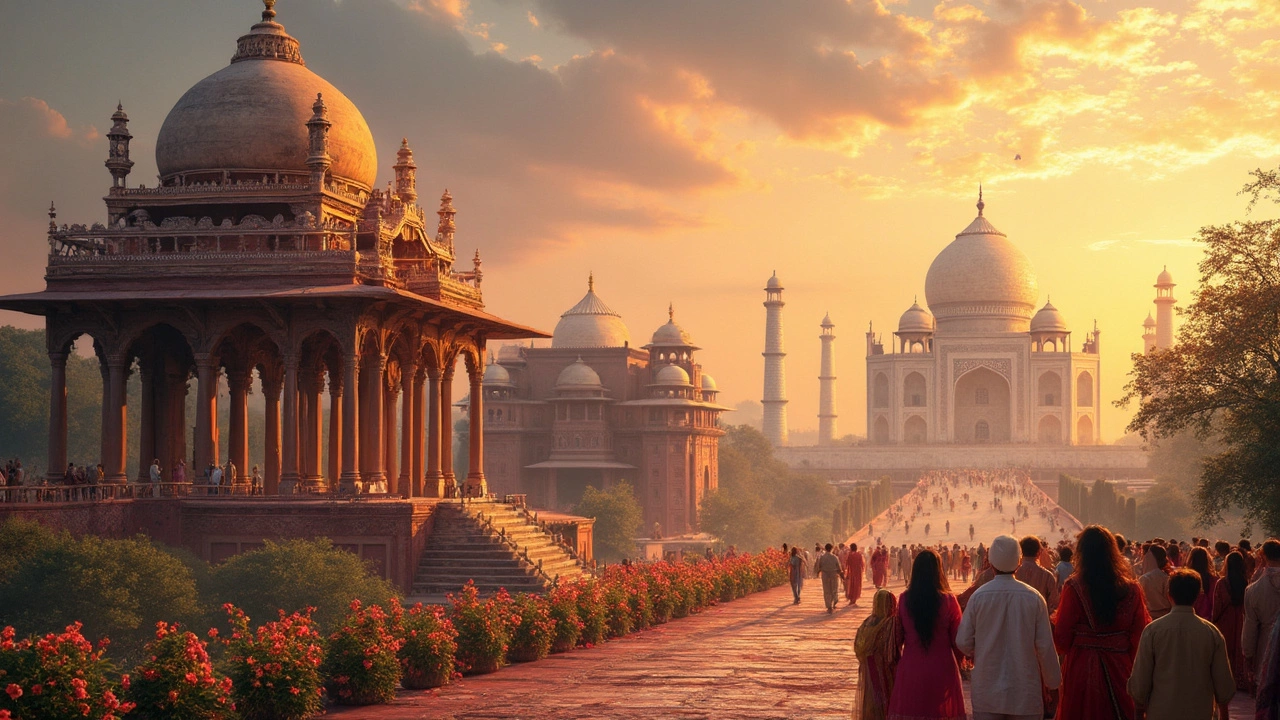
When you think of Indian heritage, the deep-rooted traditions, monuments, and living customs that define India’s cultural identity. Also known as India’s cultural legacy, it’s not something locked away in museums—it’s in the chants of pilgrims at the Tirumala Venkateswara Temple, the roar of crowds pulling chariots during the Sri Ratha Yatra in Puri, and the quiet devotion at the Taj Mahal, where love is carved in marble and remembered by millions every year.
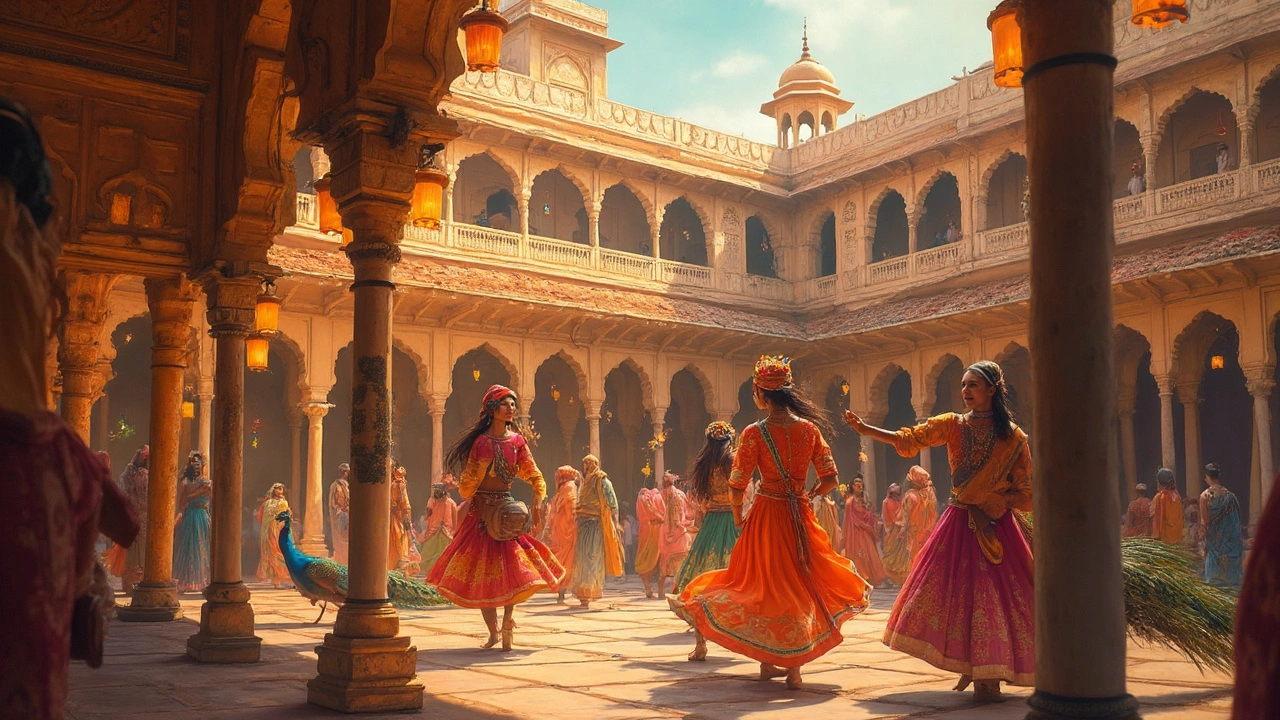
Indian heritage isn’t just about what’s old—it’s about what’s still alive. You’ll find it in the rhythm of temple bells, the colors of festival processions, and the hands that still carve stone the same way they did 1,000 years ago. Uttar Pradesh holds the most UNESCO World Heritage Sites in India, including the Taj Mahal and Agra Fort, but Maharashtra isn’t far behind with its own collection of ancient caves, forts, and palaces. These aren’t just tourist spots—they’re active centers of worship, community, and daily life. The cultural tourism India scene splits into two clear types: those drawn to history and architecture, and those seeking immersive experiences like rituals, crafts, and local storytelling. Both find plenty to explore, whether it’s walking through the stone temples of Khajuraho or watching artisans weave silk in Varanasi.
What makes Indian heritage stand out is how deeply it’s woven into everyday life. You don’t need to plan a special trip to see it—you’ll bump into it at a roadside shrine, in the way people greet each other with folded hands, or during a village fair that’s been running for centuries. This isn’t a faded past—it’s a living, breathing culture that adapts but never disappears. The temples, forts, and festivals you read about aren’t just attractions—they’re the heartbeat of communities that still live by the same rhythms as their ancestors. And that’s why visiting isn’t just about checking off sights. It’s about connecting with something real, something that hasn’t been packaged for tourists, but has survived because people still believe in it.
Below, you’ll find real guides that show you exactly where to go, what to expect, and how to experience Indian heritage the right way—not as a spectator, but as someone who understands why it matters. From the busiest temple in the country to the quietest heritage towns, these articles cut through the noise and give you the facts you need to see India’s soul, not just its postcards.