Kumbh Mela: The World's Largest Religious Gathering Explained
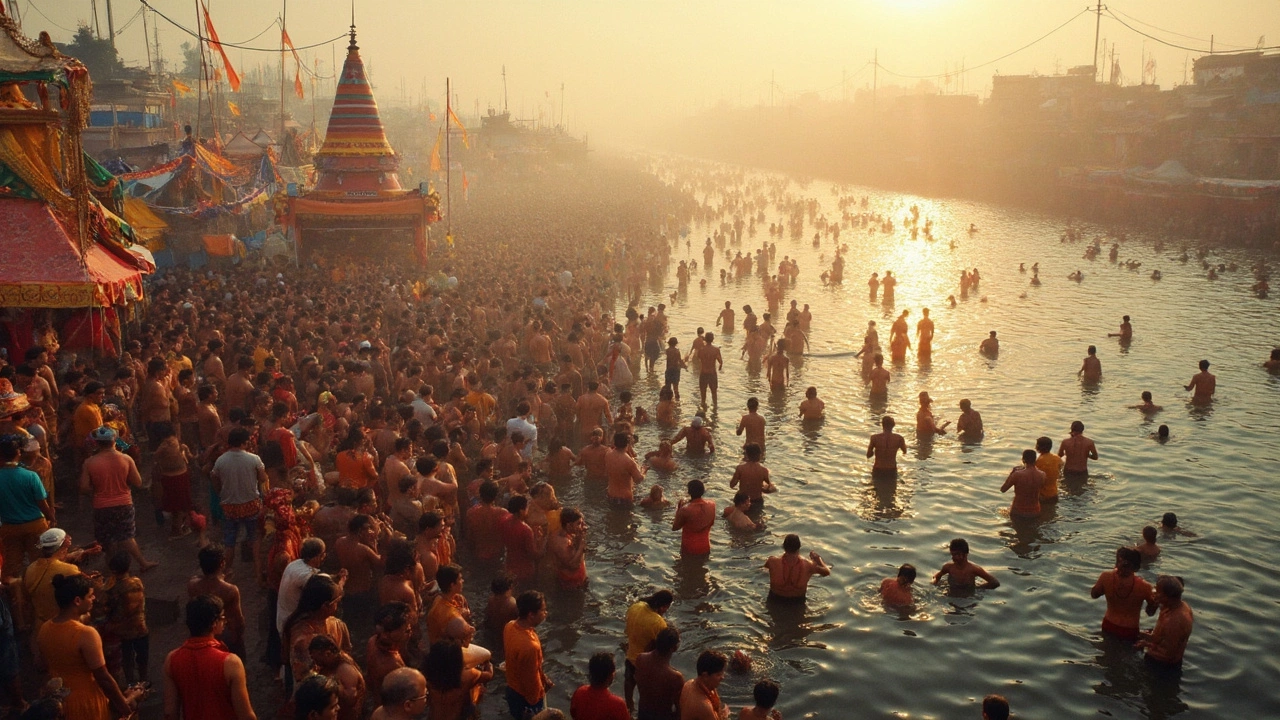
When over 150 million people gather in one place over a few weeks, it’s not a concert, a sports event, or a political rally—it’s the Kumbh Mela, a massive Hindu pilgrimage that rotates between four sacred river sites in India. Also known as the Maha Kumbh Mela, it’s the largest human gathering on Earth, bigger than any festival, rally, or World Cup final combined. This isn’t just a ritual—it’s a living tradition older than most modern nations, rooted in ancient myths about nectar, gods, and demons fighting over immortality.
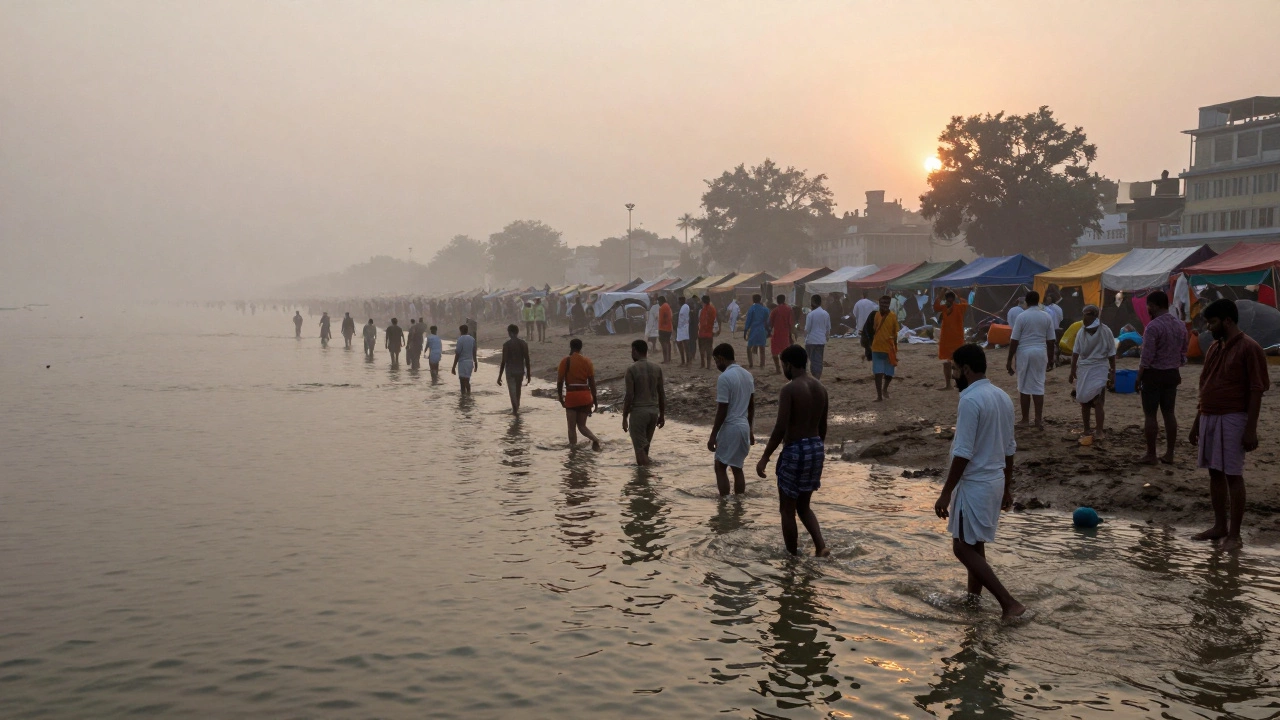
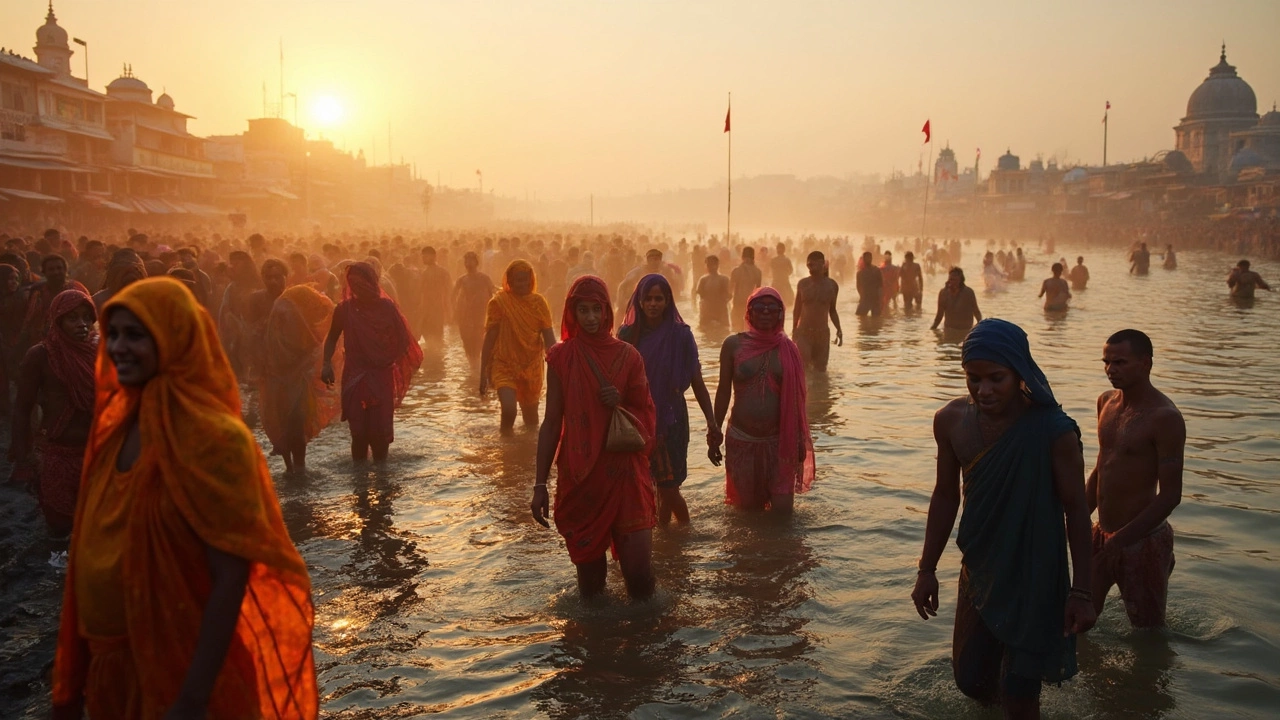
The Kumbh Mela happens in a cycle tied to planetary positions, moving between four holy cities: Prayagraj (where the Ganges, Yamuna, and mythical Saraswati meet), Haridwar, Ujjain, and Nashik. Each site hosts the Mela every 12 years, but the full Maha Kumbh only returns to Prayagraj every 144 years. Millions come to bathe at the exact moment astrologers say the waters are most sacred, believing it washes away lifetimes of sin. You’ll see sadhus with matted hair and ash-covered bodies, families traveling for days on foot, and entire villages set up with tents, kitchens, and clinics—all powered by faith, not electricity.
It’s not just about bathing. The Kumbh Mela is a cultural engine. It’s where you’ll find debates between spiritual teachers, live performances of ancient epics, free meals served to anyone who shows up, and medical camps treating thousands. The scale is staggering: temporary cities with populations larger than New York, built from scratch in weeks. And despite its size, it runs with surprising order—thanks to India’s massive volunteer networks, police, and spiritual leaders who coordinate everything from sanitation to security.
If you’ve read about the most visited temple in India or the biggest temple festival, you already know this country thrives on spiritual scale. The Kumbh Mela takes that energy and multiplies it by a thousand. It’s where ancient belief meets modern logistics, where silence and chaos coexist, and where a single dip in the river can mean more than a lifetime of prayers. Below, you’ll find real stories, practical tips, and firsthand accounts from those who’ve been there—not as tourists, but as witnesses to something truly beyond words.