Largest Religious Festival in India: Sri Ratha Yatra and Other Major Pilgrimages
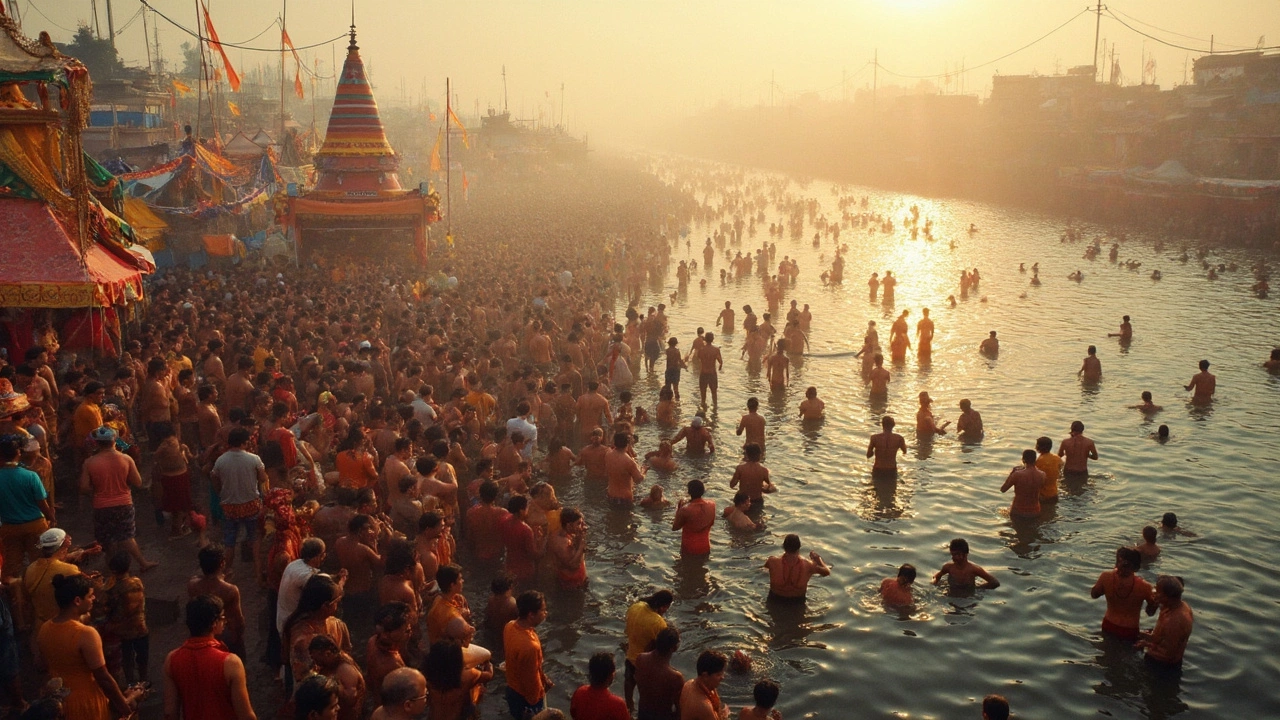
When you think of the largest religious festival, a massive, living public celebration rooted in centuries of faith and community. Also known as Ratha Yatra, it’s not just a parade—it’s a movement of millions pulling towering wooden chariots through the streets, singing, praying, and touching the divine. This event happens every year in Puri, Odisha, around the Hindu month of Ashadha (June-July), and it’s the biggest gathering of its kind in the world. More than a million people show up just to pull the ropes of the chariots carrying Lord Jagannath, his brother Balabhadra, and sister Subhadra. The scale isn’t just about numbers—it’s about devotion made visible, where every step of the chariot is seen as a blessing.
What makes this festival different from others isn’t just its size, but how deeply it’s woven into daily life. Unlike temple rituals that happen behind closed doors, Ratha Yatra brings the gods out into the open, letting everyone—rich or poor, local or foreign—have a direct connection. It’s not just a Hindu event either; people of all faiths come to witness it, touch the chariot ropes, or simply stand in awe. This kind of public spirituality is rare elsewhere. Other major Hindu temple festivals, large-scale religious gatherings centered around specific deities and temples like Kumbh Mela or Ganesh Chaturthi are massive too, but none match the continuous, rolling energy of Ratha Yatra. Kumbh Mela draws even bigger crowds over weeks, but it’s spread across a riverbank. Ratha Yatra is a single, unstoppable wave of people moving through a city for days. And unlike pilgrimages that require long journeys to holy sites, this one turns the city itself into the sacred space.
Behind the scenes, this festival runs on an ancient system of community labor, temple traditions, and local craftsmanship. The chariots are rebuilt every year using specific types of wood, carved by generations of artisans. The ropes are made from jute, and pulling them is considered a sacred act. Even the food offered—prasadam—is prepared in massive quantities by volunteers. This isn’t a performance for tourists. It’s a living, breathing tradition that has survived empires, wars, and modernization because it belongs to the people. If you’ve ever wondered what faith looks like when it’s not quiet or private, this is it.
While the Puri Jagannath Temple, one of the four Dhams and the spiritual heart of this festival is ancient, the festival itself feels timeless. It doesn’t need marketing. It doesn’t need tickets. It just happens—every year, exactly the same, yet always new. And that’s why it holds the title of the largest religious festival in India. You won’t find another event where so many people come together not to watch, but to move something bigger than themselves.
Below, you’ll find real stories and facts from travelers and locals who’ve experienced this and other major religious events across India—from the quiet devotion at Tirupati to the chaos and color of temple fairs in the south. Whether you’re planning to witness Ratha Yatra or just curious about what makes these festivals so powerful, the posts ahead give you the unfiltered truth.