Mumbai: Top Attractions, Safety Tips, and Hidden Gems for Travelers
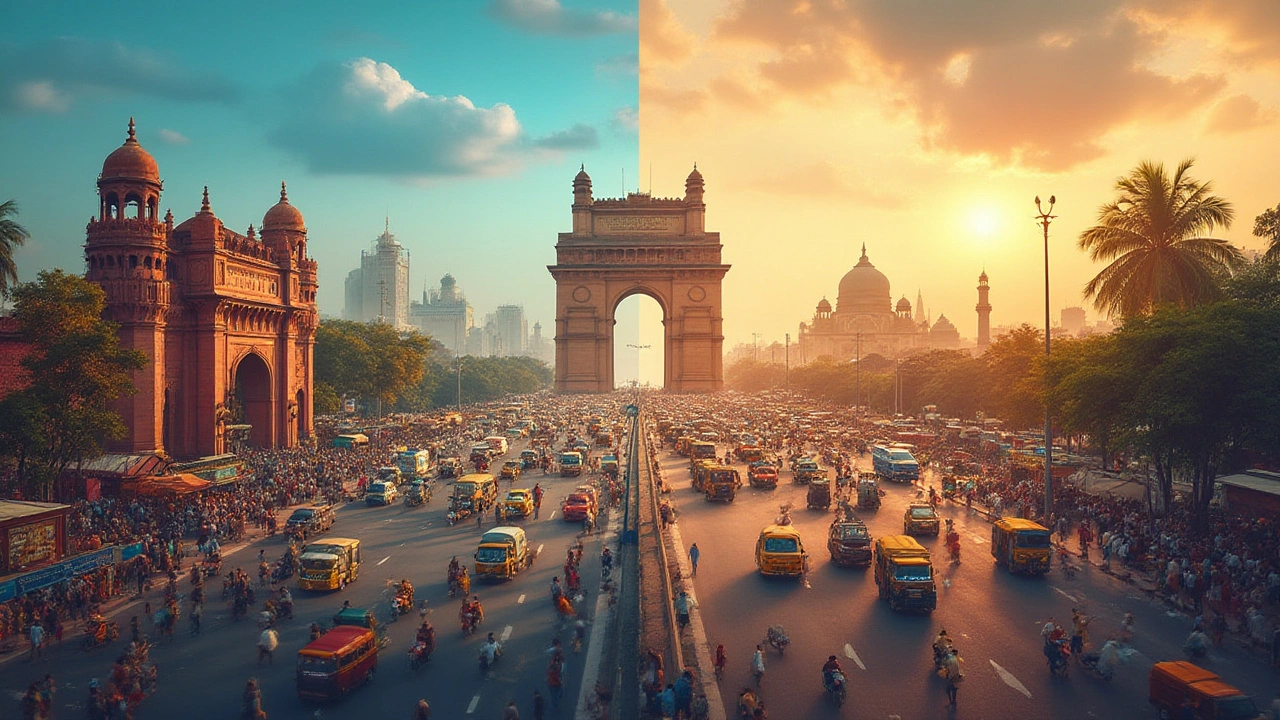
When you think of Mumbai, India’s largest city and economic engine, known for its chaotic energy, iconic landmarks, and vibrant street life. Also known as Bombay, it’s where Bollywood dreams are made, dabbawalas deliver lunch with military precision, and the sea meets skyscrapers in a way no other city in India does. This isn’t just a city—it’s a sensory overload that pulls you in and refuses to let go.
Mumbai isn’t just about the Gateway of India or Marine Drive. It’s also home to some of India’s most visited UNESCO World Heritage Sites, including the Elephanta Caves and the Victorian Gothic and Art Deco Ensembles, which sit side-by-side with quiet temples like the Siddhivinayak. You’ll find that while many travelers rush to Delhi or Jaipur for history, Mumbai quietly holds eight of India’s top heritage spots—more than any other state. And if you’re looking for safety, Mumbai ranks among the top safe cities in India, with strong public transport, visible policing, and a culture that welcomes solo travelers, families, and women. It’s not perfect, but it’s far safer than most big cities you’ll read about online.
What makes Mumbai different? It’s the mix. You can eat fresh vada pav for 20 rupees, then walk ten minutes to a five-star restaurant with ocean views. You can catch a sunrise at Juhu Beach, then spend the afternoon in a 100-year-old bookshop in Colaba. The city doesn’t ask you to choose between luxury and grit—it lets you live both. And if you’re into adventure, you’ll find skydiving over the Arabian Sea, trekking to forts like Lohagad, or even silent meditation inside the Haji Ali Dargah as the tide rolls in.
Don’t let the noise fool you. Behind the traffic and the crowds, Mumbai has quiet corners where time slows down—like the backstreets of Bandra, where artists paint murals and chai stalls stay open till midnight. Or the Dhobi Ghat, where generations of laundry workers wash clothes under open skies, a sight so unique it’s been called the world’s largest open-air laundry. This city doesn’t just welcome visitors—it teaches them how to see India differently.
Below, you’ll find real, tested advice on where to go, what to avoid, how to save money, and which spots most tourists miss. Whether you’re planning your first trip or returning for the fifth time, these guides will help you move beyond the postcards and into the real rhythm of Mumbai.