Natural Heritage Sites India: Top Spots, Secrets, and What to See
When we talk about natural heritage sites India, protected areas recognized for their outstanding natural beauty, ecological importance, and scientific value. Also known as UNESCO natural sites, these places aren’t just scenic—they’re living ecosystems that support rare wildlife, ancient forests, and geological wonders found nowhere else on Earth. Unlike cultural landmarks like the Taj Mahal, these sites were shaped by nature over millions of years, not by human hands. And India? It’s home to some of the most diverse and untouched ones on the planet.
Think of the Western Ghats, a mountain range running along India’s west coast that’s one of the world’s eight hottest biodiversity hotspots. It’s where new frog species are still being discovered, and where monsoon rains feed rivers that sustain millions. Then there’s the Sundarbans, the largest mangrove forest on Earth, home to the elusive Royal Bengal tiger. These aren’t just tourist spots—they’re critical buffers against cyclones, carbon sinks, and sanctuaries for species that can’t survive anywhere else. Meanwhile, the Great Himalayan National Park, a high-altitude refuge in Himachal Pradesh with over 1,000 plant species and rare animals like the snow leopard, draws trekkers and scientists alike. These places are protected not because they look good in photos, but because they’re irreplaceable.
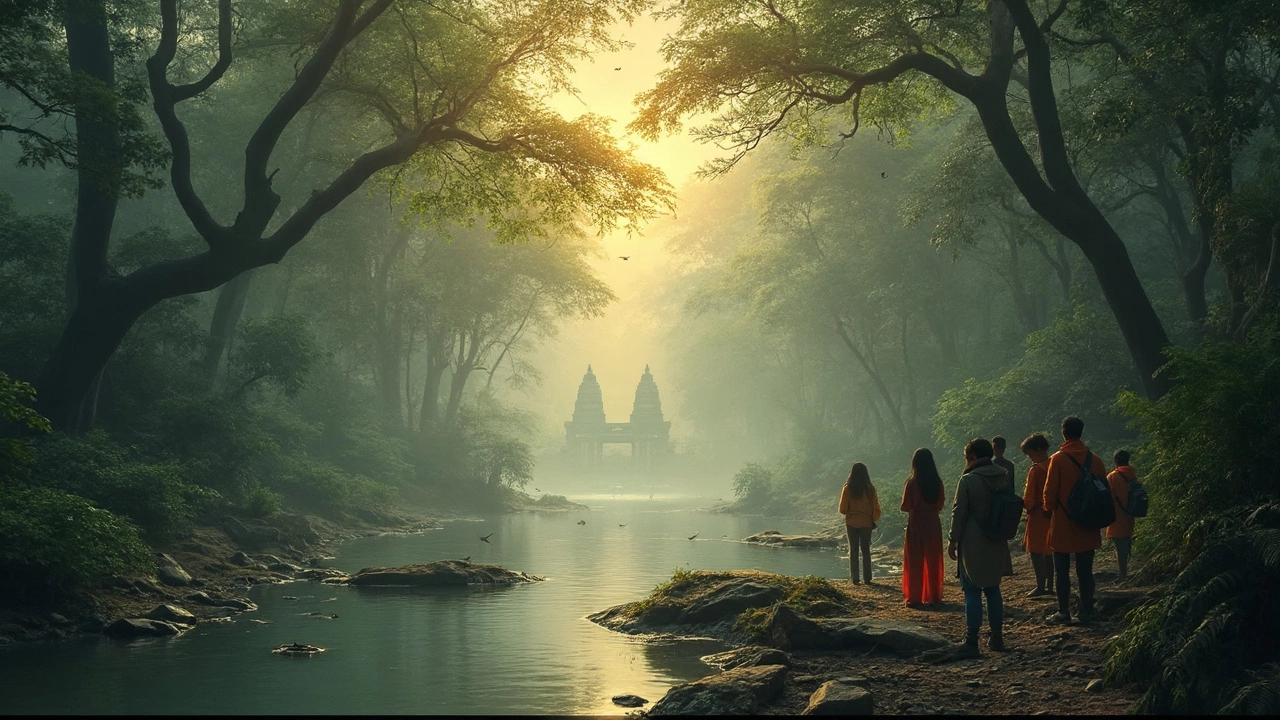
What makes these sites different from regular national parks? They’re officially listed by UNESCO under the World Heritage Convention, meaning they’ve been evaluated by global experts and deemed vital to humanity’s natural legacy. India has six such sites, each telling a different story—of glaciers, wetlands, forests, and coastlines. You won’t find crowds here like you do at the Golden Temple or Jaipur’s palaces. Instead, you’ll find silence, mist, the call of hornbills, and the quiet rhythm of nature doing its thing.
And if you’re planning a trip, know this: visiting these places isn’t just about checking a box. It’s about understanding how fragile and valuable they are. Some require permits. Others limit daily visitors. A few are only accessible on guided treks. That’s not a barrier—it’s a safeguard. These sites don’t need more tourists. They need thoughtful ones.
Below, you’ll find real guides that help you navigate these places safely, affordably, and responsibly. Whether you’re looking for the best time to visit the Sundarbans, how to spot a snow leopard in the Himalayas, or which trails in the Western Ghats are open to the public, the articles here give you the straight facts—not fluff, not hype. No one’s selling a tour package here. Just the truth about where to go, what to expect, and why it matters.