Nature Travel in India
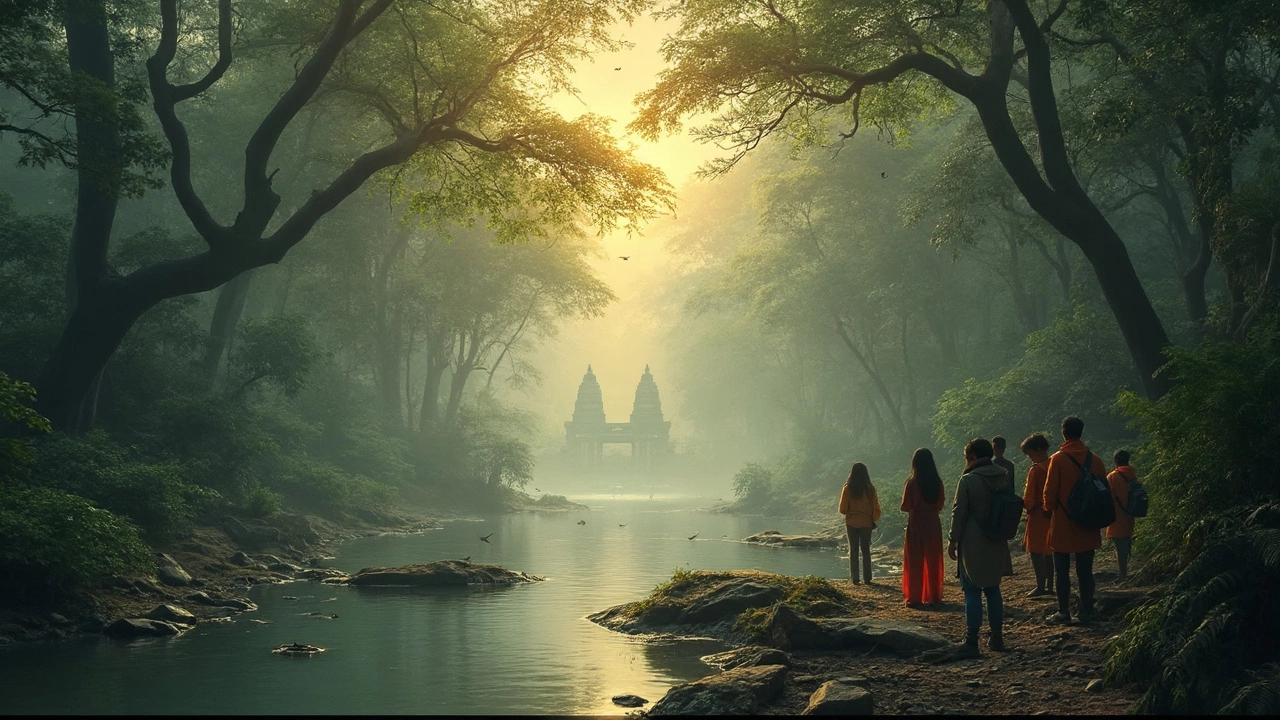
When you think of nature travel, travel focused on experiencing untouched landscapes, wildlife, and outdoor adventures. Also known as eco-tourism, it’s not just about seeing pretty views—it’s about walking through forests, hearing rivers roar, and sleeping under stars far from city lights. India isn’t just temples and cities. It’s one of the most diverse natural playgrounds on Earth, from snow-capped peaks in the Himalayas to mangrove forests in the Sundarbans, and from quiet beaches along the Arabian Sea to dense jungles teeming with tigers.
What makes nature travel here special? You don’t need to fly halfway across the world. trekking in India, hiking through remote trails with cultural and ecological richness is world-class. The Western Ghats, Ladakh, and Uttarakhand offer trails for every level—no fancy gear needed. Then there’s adventure sports India, activities like whitewater rafting, skydiving, and zip-lining set against dramatic backdrops. Rishikesh isn’t just spiritual—it’s where you jump off a bridge over the Ganges. And if you want calm, safe beaches India, coastal areas certified for clean water, family safety, and low crowds like Palolem or Gokarna let you swim without worry.
Even the places you think are just cultural spots are deeply tied to nature. The UNESCO heritage sites, locations recognized globally for their natural and cultural significance aren’t just old buildings—they’re nestled in forests, mountains, or river valleys. The Taj Mahal sits by the Yamuna. Khajuraho is surrounded by jungle. These aren’t accidents. They’re proof that India’s soul lives in its land.
So whether you’re looking to hike a mountain, dive into quiet waters, or just breathe air without traffic, nature travel here gives you real moments—not staged experiences. Below, you’ll find honest guides on where to go, what to avoid, and how to make the most of India’s wild side without getting lost, overcharged, or unsafe.