North India Safety: What You Need to Know Before You Go
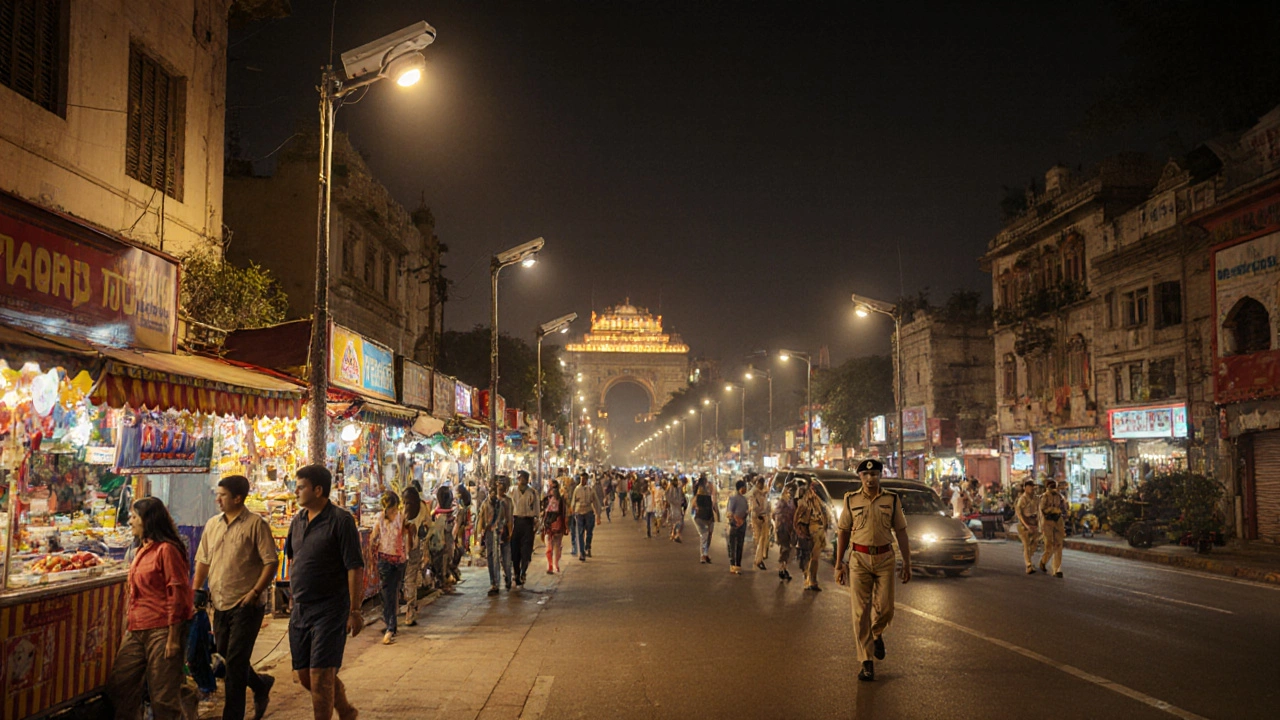
When people ask if North India safety, the overall security and traveler experience across states like Uttar Pradesh, Rajasthan, Delhi, and Himachal Pradesh is something to worry about, the answer isn’t yes or no—it’s "it depends." Millions visit every year without issue, but a few bad experiences stick in people’s minds because they’re avoidable. The key isn’t fear—it’s awareness. Tourist safety in India, how visitors are protected—or not—based on location, behavior, and preparation varies wildly from city to city. What’s safe in Jaipur might feel risky in a remote village near the Nepal border. And travel scams in North India, common tricks targeting foreigners, like fake guides, overpriced tuk-tuks, or rigged temple donations are everywhere, but they’re easy to spot if you know what to look for.
You don’t need to avoid North India. You just need to know how to move through it smartly. Most incidents happen because travelers don’t understand local norms. Women wearing shorts in Varanasi? That’s not a crime, but it draws attention you don’t need. Taking a random auto-rickshaw without agreeing on a fare first? That’s how you get overcharged by 300%. Even something as simple as drinking bottled water instead of tap water cuts your risk of illness by 80%. And while you hear stories about pickpockets in Delhi’s crowded markets, the real danger isn’t the city—it’s the distraction. Keep your phone in your bag, your wallet in a money belt, and your eyes on your surroundings. Transport safety in North India, how buses, trains, and taxis function for tourists, including risks and trusted options is another big piece. Overnight trains are generally safe, especially AC classes, but unmarked cabs after dark? Skip them. Use apps like Ola or Uber, or ask your hotel to arrange a ride. And if you’re heading to the Himalayas, altitude sickness is a bigger threat than crime. Know the signs: headache, nausea, dizziness. Don’t push yourself. Slow down. Rest. That’s not weakness—it’s survival.
There’s no magic checklist that makes North India 100% safe, but there are simple habits that turn risky trips into smooth ones. Stick to well-known routes. Avoid flashing cash. Learn a few Hindi phrases like "Kitna hai?" (How much?) and "Nahi, dhanyavaad" (No, thank you). Trust your gut—if something feels off, walk away. The people you meet will be kind, curious, and generous. But not everyone has your best interest at heart. The good news? You don’t need to be an expert. Just be smart. Below, you’ll find real stories, real tips, and real advice from travelers who’ve been there. No fluff. No fearmongering. Just what works.