India Tourist Safety Guide 2025: Risks & Practical Tips
Discover the real safety picture of India for tourists in 2025, learn about regional risks, common scams, health tips, and a practical safety checklist to travel confidently.
Read MoreWhen people ask if North India travel safety, the overall security and comfort level for tourists visiting northern states like Uttar Pradesh, Rajasthan, Delhi, and Uttarakhand. It's not about fear—it's about knowing where to be alert, where to relax, and how to blend in. The answer isn’t yes or no. It’s more like: North India travel safety depends on where you go, when you go, and how prepared you are. Most tourists have smooth, unforgettable trips. But a few get caught off guard because they assume safety works the same everywhere. It doesn’t.
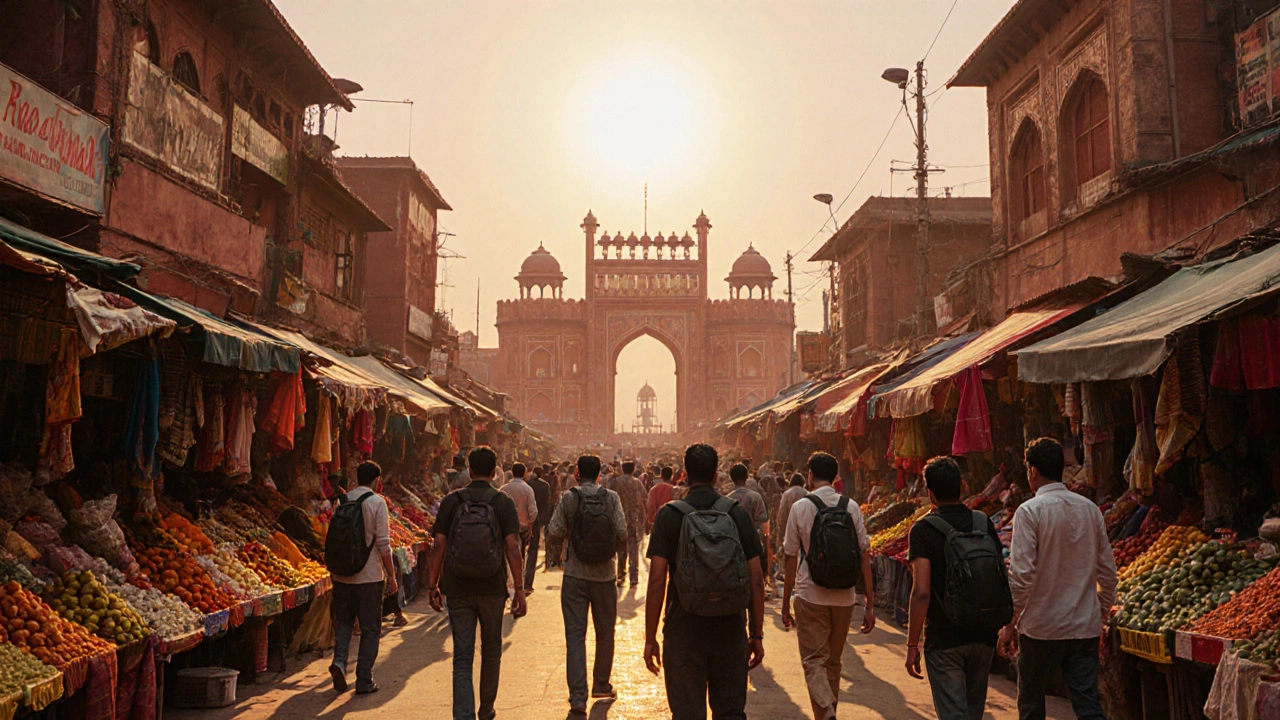
Take Delhi, India’s capital and a major entry point for international travelers, known for its history, food, and crowded streets. It’s got a reputation, but here’s the truth: most crimes against tourists happen in isolated areas or because someone’s distracted by their phone. In places like Connaught Place or the Red Fort, you’ll see thousands of people—locals and tourists—moving around safely every day. The real issue? Pickpockets in busy markets, auto-rickshaw scams near train stations, and overpriced tours sold by unlicensed guides. That’s not danger—it’s noise. You can avoid it with basic habits: keep your wallet in a front pocket, agree on fares before getting in a cab, and skip the "free" temple tours that end at a jewelry shop.
Then there’s Varanasi, a spiritual hub on the Ganges where millions come to pray, bathe, and witness rituals older than modern nations. It’s intense. Crowds, chants, smoke, cows everywhere. But it’s also one of the safest places you’ll visit if you respect the rhythm. Locals are used to tourists. They’ll help you find your way, point out the best ghats, even offer tea. The only thing to watch for? Don’t take photos of people without asking. That’s not a safety rule—it’s a human one. And in Rajasthan, a region famous for desert forts, vibrant bazaars, and royal heritage, stretching from Jaipur to Jodhpur, you’ll find some of the most tourist-friendly infrastructure in India. Hotels, guided walks, clean restrooms, and police outposts near major sites make it easy to explore on your own. Indore, often called India’s safest city, is just a short flight away, and it proves that safety isn’t about location alone—it’s about systems, awareness, and attitude.
What about women traveling alone? It’s possible. Many do it. You’ll see solo female travelers on trains, in hostels, and hiking in the Himalayas. The key isn’t hiding—it’s being smart. Dress simply, avoid late-night walks in unfamiliar areas, and trust your gut. If something feels off, leave. You don’t need to be rude, but you don’t owe anyone your time or space. And remember: most locals want you to have a good time. They’ll go out of their way to help you with directions, food recommendations, or even a glass of water if you look tired.
So what’s the real story? North India travel safety isn’t about avoiding the region. It’s about moving through it with your eyes open. You don’t need a bodyguard. You need a plan. Know your route. Keep copies of your passport. Carry small bills. Learn a few Hindi phrases like "Dhanyavaad" (thank you) and "Mujhe madad chahiye" (I need help). And don’t let fear from a bad headline stop you from seeing the Taj Mahal at sunrise, walking through the alleyways of Jaisalmer, or sitting by the Ganges as the sun sets in Varanasi. Those moments? They’re worth it. The posts below give you the exact details—where to stay, which transport to use, how to spot scams, and what to pack to stay safe and calm. You’ve got this.
Discover the real safety picture of India for tourists in 2025, learn about regional risks, common scams, health tips, and a practical safety checklist to travel confidently.
Read More