Popular Indian Food: Must-Try Dishes, Regional Specialties, and What Makes Them Unique
When people talk about popular Indian food, a vibrant, spice-driven culinary tradition with hundreds of regional variations. Also known as Indian cuisine, it’s not just one style—it’s a living map of India’s culture, climate, and history on a plate. You won’t find one single dish that represents it all. In the north, buttery naan and creamy kormas rule. In the south, coconut, tamarind, and rice dominate with dishes like dosa and sambar. The west brings fiery Goan vindaloo and Parsi dhansak, while the east offers sweet rice cakes and mustard-seed-laced fish curries. Each region cooks differently because of what grows nearby, what religions influence meals, and what families passed down over generations.
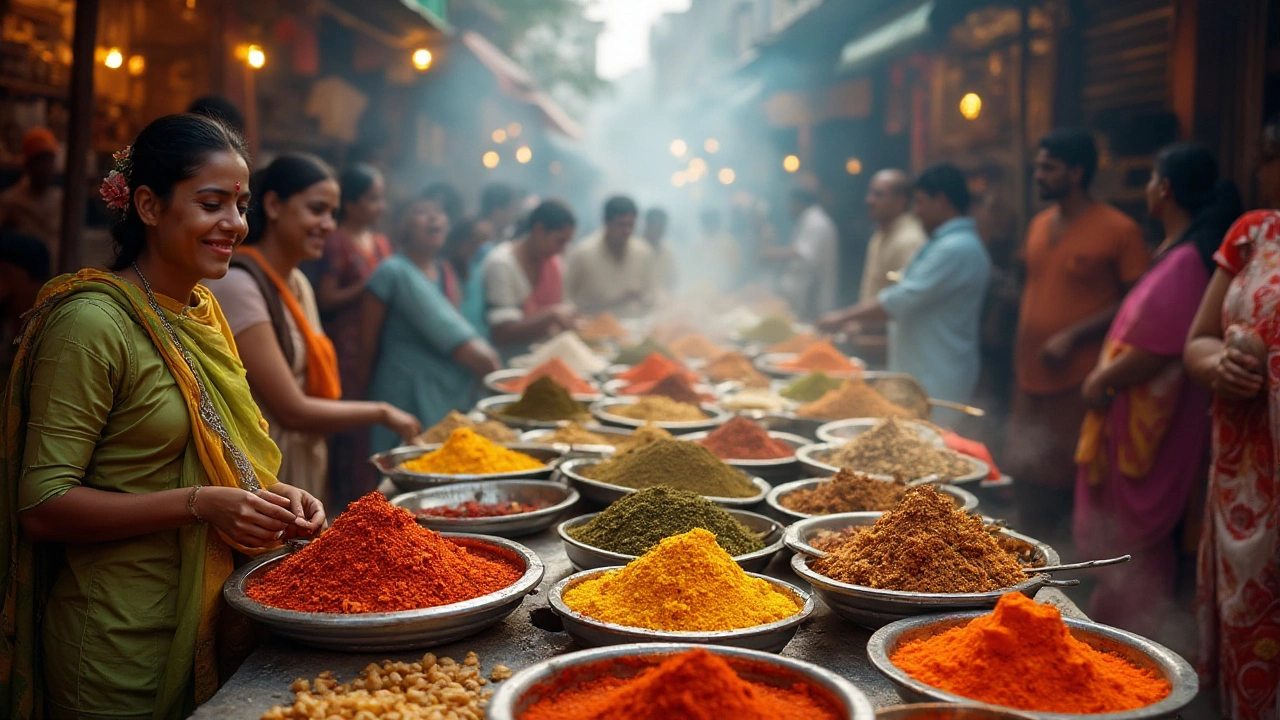
Indian street food, a fast, flavorful, and affordable side of Indian cuisine loved by locals and travelers alike. Also known as chaat, it’s where you’ll find pani puri bursting with tangy water, bhel puri tossed with crisp sev, and aloo tikki fried until golden. These aren’t snacks—they’re experiences. You eat them standing up, often with your hands, sometimes with a side of laughter and a glass of sweet lassi. And yes, they’re safe if you pick busy stalls where the food turns over fast. Then there’s regional Indian dishes, the heart of local identity in every state. Think Kashmiri rogan josh with its deep red gravy, Bengali machher jhol with its light mustard sauce, or Rajasthani dal baati churma, a rustic trio that’s lasted for centuries. These dishes don’t appear on tourist menus by accident—they’re the real deal, cooked in homes and small kitchens that don’t need Instagram to stay popular.
What ties all of this together? Spices—not just heat, but balance. Cumin, coriander, turmeric, cardamom, and fenugreek aren’t just flavor boosters; they’re the backbone of how Indian food works. And while you’ll find vegan, vegetarian, and meat-based versions everywhere, the common thread is freshness. Most meals are made daily, with spices ground fresh, herbs chopped just before cooking, and yogurt or chutneys served cold to cut through the richness. You won’t find frozen sauces here. This isn’t fast food—it’s slow, thoughtful cooking that respects ingredients and time.
Whether you’re trying your first plate of biryani in Hyderabad, biting into a crispy medu vada in Chennai, or sipping masala chai at a roadside stall in Delhi, you’re not just eating—you’re connecting with a culture that’s been feeding its people for thousands of years. Below, you’ll find real guides to the dishes people actually eat, where to find them, and what to order when you’re there. No fluff. Just what works.