Rainy Season in India: What to Expect and Where to Go
When the rainy season in India, the annual monsoon that transforms the country’s climate, landscapes, and travel rhythm. Also known as monsoon, it arrives with a roar—drenching cities, filling rivers, and turning dry hills into green wonders. It’s not just weather; it’s a cultural rhythm that shapes everything from festivals to food, and even how people move around. If you’ve heard the monsoon is a time to stay indoors, think again. Millions of travelers plan trips around it—not despite the rain, but because of it.
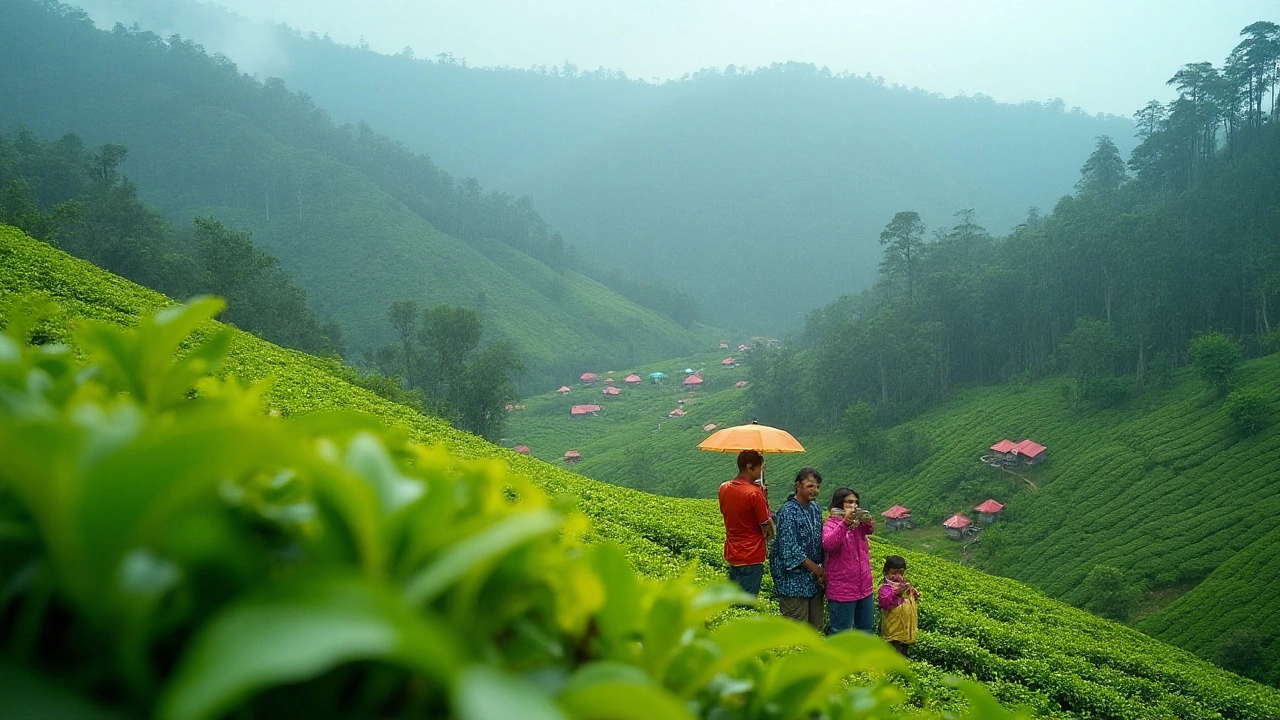
The monsoon, a seasonal wind system that brings heavy rainfall to South Asia hits India in waves, starting in Kerala in early June and crawling northward over the next two months. The Western Ghats, a mountain range running parallel to India’s west coast that receives some of the heaviest rainfall on Earth turn into misty waterfalls, while the Himalayan foothills, the northern region where rain feeds rivers like the Ganga and boosts trekking trails become lush and quiet, perfect for travelers who want to avoid crowds. Meanwhile, coastal areas like Goa and Kerala get flooded with tourists looking for discounted stays and serene beaches—yes, even in the rain.
But the rainy season isn’t just about beauty. It’s about smart planning. Roads in the Northeast can wash out. Flash floods hit cities like Mumbai and Chennai. Some hill stations, like Manali, become risky with landslides. That’s why knowing where to go—and where to avoid—is key. You don’t need to cancel your trip. You just need to adjust it.
What you’ll find below are real travel stories and practical guides from people who’ve been there. Whether it’s the safest beaches during monsoon, how to pack for humidity, or why some temples see their biggest crowds during rains, these posts cut through the noise. You’ll learn how to turn the monsoon from a roadblock into your best travel advantage.