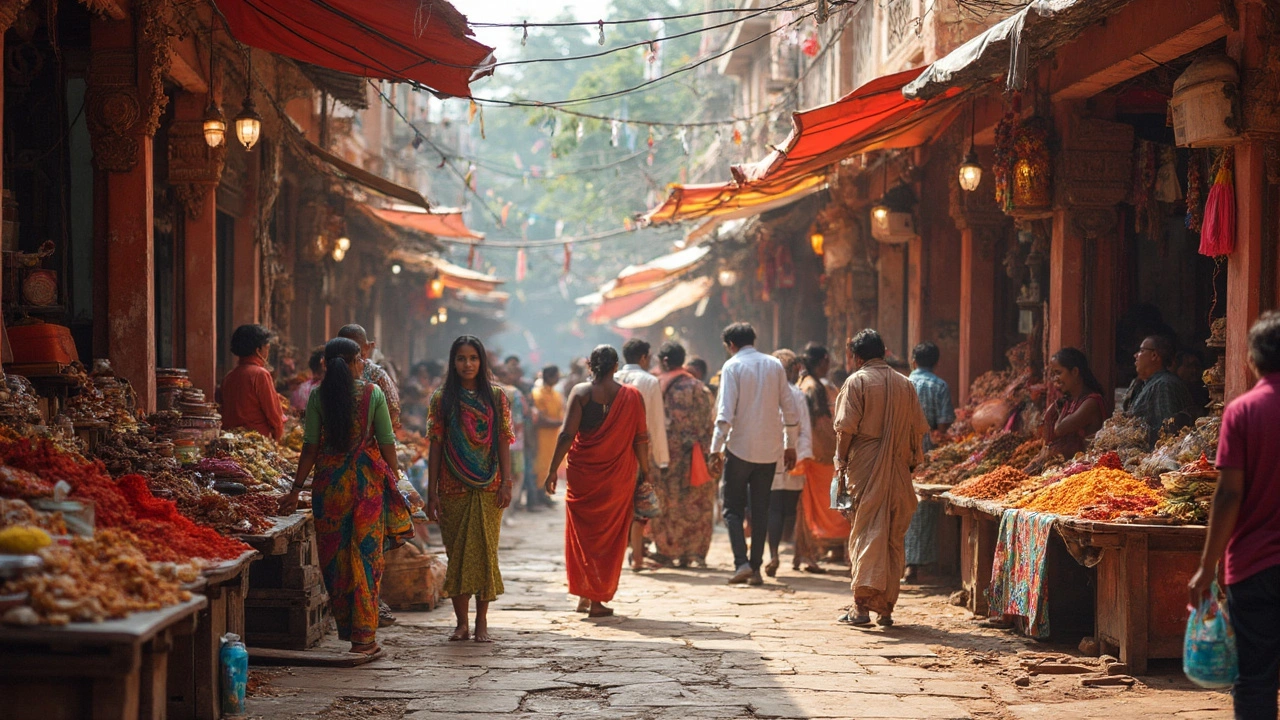
South India tips: Essential Guide for Travelers
When planning a trip to South India, the southernmost region of India known for its distinct culture, ancient temples, lush backwaters, and vibrant coastal life. Also known as Peninsular India, it includes the states of Tamil Nadu, Kerala, Karnataka, and Andhra Pradesh—and it’s where you’ll find some of the country’s most authentic experiences. Unlike the bustling north, South India moves at its own rhythm: slower, sunnier, and deeply rooted in tradition. Whether you’re chasing temple serenity in Madurai, floating on backwaters in Alleppey, or hiking through the Western Ghats, the key is knowing what works—and what doesn’t.
Kerala, a coastal state famous for its spice plantations, houseboat stays, and tranquil beaches. Also known as God’s Own Country, it’s a top pick for travelers seeking calm. But don’t assume all beaches here are safe for swimming. Stick to Blue Flag-certified spots like Kovalam and Marari. For temple lovers, Tamil Nadu, home to the world’s largest temple complex at Meenakshi Amman in Madurai and the ancient rock-cut caves of Mahabalipuram. Also known as the temple state, it draws millions yearly. Don’t try to see everything in one trip—pick one city and go deep. Wear modest clothes when entering temples. Women should cover shoulders and knees. Men should avoid shorts. Most temples require removing shoes, so go barefoot-friendly.
Transport in South India is reliable but messy. Trains are your best friend for long distances—book AC 3-tier tickets early. For short hops, use app-based cabs like Ola or Uber—they’re cheaper and safer than random taxis. Avoid driving yourself unless you’re used to chaotic roads. The monsoon hits hard between June and September, especially in Kerala and Karnataka. Plan your trip between October and March for clear skies and comfortable heat. Pack light cotton clothes, a reusable water bottle, and a small umbrella. Don’t forget sunscreen—this region gets brutal sun, even on cloudy days.
Food is a highlight, not a risk. Try dosas in Mysore, seafood in Kochi, and filter coffee in Chennai. Street food is fine if it’s busy—locals know what’s fresh. Avoid ice in drinks unless you’re sure it’s made with bottled water. Most hotels and guesthouses offer free breakfast, so you can save money by skipping expensive restaurants. And yes, you can drink tap water in some cities like Bengaluru and Coimbatore—but bottled is still the safer bet.
South India isn’t just about sights. It’s about slow mornings on a houseboat, the smell of jasmine in temple courtyards, the sound of temple bells echoing at dawn. The real magic happens when you step off the tourist trail—into a local market in Munnar, a fishing village near Varkala, or a family-run eatery in Pondicherry. The tips here won’t just help you avoid trouble. They’ll help you find the quiet moments that make this region unforgettable.
Below, you’ll find real traveler-tested advice on beaches, safety, airports, and hidden gems—all focused on making your South India trip smoother, smarter, and more meaningful.