Staple Foods in India: What People Eat Every Day
When you think of food in India, it’s not just spices and curries—it’s the staple foods, the foundational foods that make up the bulk of daily meals across the country. Also known as core carbohydrates, these are the foods that fuel millions every single day, from morning roti to evening dal-rice. Unlike Western diets that often center on meat or bread, Indian meals are built around a few key staples that vary by region, climate, and tradition.
Most households in North India rely on wheat, a grain ground into flour and shaped into flatbreads like roti, paratha, or naan. It’s the daily anchor for breakfast, lunch, and dinner, often paired with lentils or vegetables. Down south, rice, a water-intensive crop grown in abundance across Kerala, Tamil Nadu, and West Bengal. It’s not just a side—it’s the main event, served with sambar, rasam, or coconut-based curries. In between, states like Maharashtra and Madhya Pradesh turn to millets, ancient grains like jowar, bajra, and ragi that are nutritious, drought-resistant, and rising in popularity again. They’re used in porridges, flatbreads, and even snacks. And no Indian meal is complete without lentils, called dal, a protein-rich staple made from split peas, chickpeas, or red lentils, cooked simple or spiced up. It’s the vegetarian protein backbone of the nation. These four—wheat, rice, millets, and lentils—are the quiet heroes behind every Indian plate.
What you eat in India isn’t random—it’s shaped by geography. In the Himalayan foothills, people eat more maize and buckwheat. In coastal areas, rice dominates. In arid regions, millets thrive. Even within cities, you’ll find regional variations: a Punjabi family eats roti with sarson ka saag, while a Bengali household might have rice with hilsa fish and mustard gravy. The staple foods don’t change much, but how they’re prepared does.
These foods aren’t just filling—they’re affordable, accessible, and deeply tied to culture. You won’t find many Indian homes without a sack of rice or a jar of dal. They’re passed down through generations, cooked in clay pots, and eaten with hands. The next time you see a plate of dal-chawal or a stack of rotis, know that you’re looking at centuries of tradition, climate adaptation, and everyday survival—all wrapped in one simple meal.
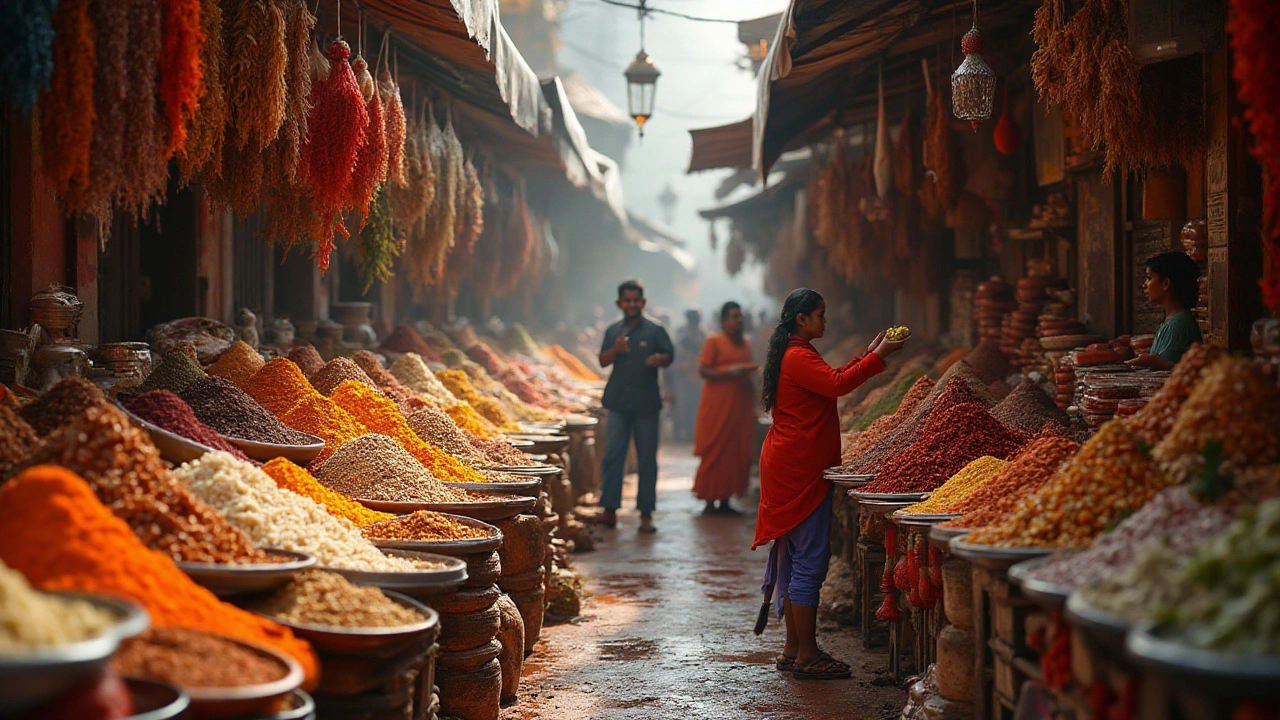
Below, you’ll find real travel stories and practical insights about how these staple foods show up in markets, homes, and festivals across India—from street vendors in Varanasi to village kitchens in Odisha. Whether you’re planning a trip or just curious about daily life here, these posts reveal what Indians actually eat—not what’s on tourist menus.