Tourist Safety India: Essential Tips for Traveling Safely Across the Country
When you think of tourist safety India, the combination of travel precautions, local awareness, and smart planning that keeps visitors secure while exploring India. Also known as India travel safety, it’s not about fear—it’s about knowing what to watch for and where to relax. India is one of the most welcoming countries for travelers, but like any destination with millions of visitors each year, it pays to be prepared. You’re not walking into danger if you know the basics: what to avoid, where to go, and how to handle common situations without panic.
Many travelers worry about scams, but most risks are avoidable with simple habits. For example, safe beaches in India, coastal areas certified for cleanliness and lifeguard presence, especially Blue Flag beaches in Goa and Andaman, are far safer than unmarked stretches where currents can pull even strong swimmers under. If you’re heading to the water, check for official flags and avoid swimming alone after dark. Similarly, solo travel India, a growing trend among backpackers and digital nomads who explore cities like Rishikesh, Kochi, and Jaipur independently, works well when you stick to well-lit areas at night, use trusted transport apps, and avoid sharing too much personal info with strangers. The real danger isn’t the country—it’s the assumption that nothing bad can happen.
Food safety, transportation, and scams often top worry lists. Stick to busy street stalls with high turnover—crowds are a good sign. Drink bottled water, even when brushing your teeth. Use prepaid taxis or ride-sharing apps instead of hailing cabs on the street. And never hand over your passport unless it’s required by law (like at a hotel check-in). Most scams are just distractions—someone drops something, a child runs up asking for help, or a "guide" offers a free tour. A polite no and walking away solves 90% of problems. The same goes for overpriced temple donations or "mandatory" entry fees. If it feels off, it probably is.
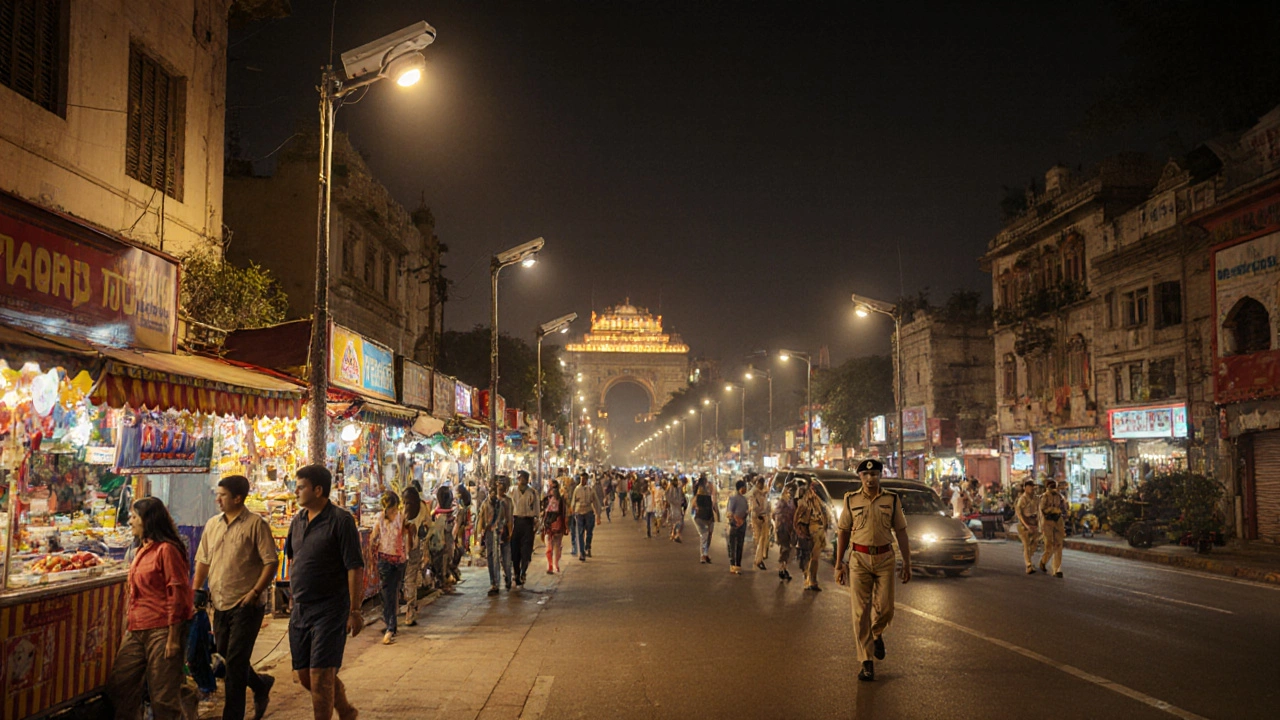
What makes India different from other travel destinations is how much safety depends on your awareness, not your location. A busy market in Delhi can be safer than a quiet alley in a tourist hotspot if you’re alert. The most common injuries? Sunburn, dehydration, and stomach bugs—not crime. Pack sunscreen, electrolytes, and hand sanitizer. Carry a photocopy of your passport, not the original. Keep your phone charged and know the local emergency number (112). These small steps make a huge difference.
And if you’re planning to try something adventurous—like skydiving in Goa or rafting in Rishikesh—make sure the operator is licensed. India has strict safety standards for adventure sports, but not all companies follow them. Ask for certification, check reviews, and never skip the safety briefing. The thrill is worth it, but only if you’re protected.
Below, you’ll find real, up-to-date guides that cover exactly what you need to know: which beaches are truly safe, how to avoid visa scams, where solo travelers feel most comfortable, and what to pack for a worry-free trip. No fluff. Just what works.