Is Trekking Good for Health? Benefits, Risks, and Tips
Explore how trekking impacts cardiovascular, musculoskeletal, and mental health, learn the risks, and get practical tips for a healthier hike.
Read MoreWhen you think of trekking, a physical activity involving long walks over rough or mountainous terrain, often for recreation or exploration. Also known as hiking, it's more than just a way to see beautiful places—it's one of the most effective forms of cardiovascular exercise, any physical activity that raises your heart rate and improves circulation over time. Unlike running on a treadmill or cycling indoors, trekking combines endurance, elevation gain, and natural terrain to give your heart a real workout—without feeling like a workout at all.
In India, trekking in India, a wide range of walking routes across the Himalayas, Western Ghats, and other rugged regions, popular among both locals and international travelers offers trails for every fitness level. From the gentle slopes of Valley of Flowers to the steep climbs of Sandakphu, each step uphill forces your heart to pump harder, your lungs to work deeper, and your muscles to adapt. Studies show that consistent trekking lowers resting heart rate, reduces blood pressure, and improves cholesterol levels—all key markers for a healthy heart. And because it’s done outdoors, your body also gets vitamin D, reduces stress hormones, and stays motivated by changing scenery.
What makes trekking stand out from other cardio activities? It’s sustainable. You don’t need a gym membership. You don’t need expensive gear. Just good shoes and a trail. Many people who struggle to stick with gym routines find they naturally keep walking because they’re chasing views, not numbers. In India, where trails connect villages, temples, and remote valleys, trekking becomes part of the culture—not just fitness. You’re not just training your heart; you’re training your mind to slow down, breathe deeper, and move with purpose.
And it’s not just about endurance. Trekking builds functional strength—your legs, core, and even your grip get stronger as you navigate rocks, roots, and steep ascents. That means better balance, fewer falls as you age, and more independence later in life. For anyone over 40, or anyone recovering from a sedentary lifestyle, trekking offers a gentle but powerful way to rebuild cardiovascular health without high impact or joint strain.
Below, you’ll find real stories and practical guides from travelers who’ve turned treks into heart-saving habits. Whether you’re curious about starting small on a day hike near Delhi or dreaming of a multi-day journey in the Himalayas, the posts here give you the facts—not fluff. No guesswork. Just what works.
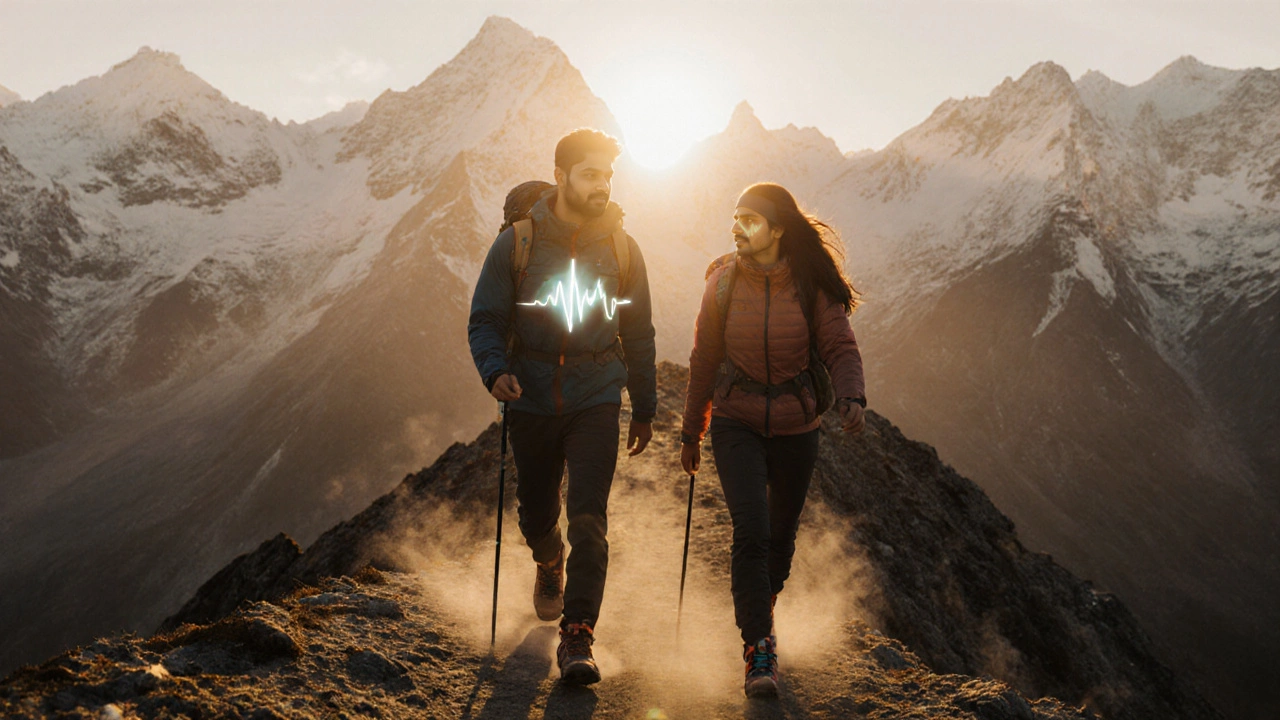
Explore how trekking impacts cardiovascular, musculoskeletal, and mental health, learn the risks, and get practical tips for a healthier hike.
Read More