Is Trekking Good for Health? Benefits, Risks, and Tips
Explore how trekking impacts cardiovascular, musculoskeletal, and mental health, learn the risks, and get practical tips for a healthier hike.
Read MoreWhen you think of trekking exercise, a form of outdoor physical activity that combines walking over natural terrain with endurance and navigation. Also known as hiking, it’s not just a way to see mountains—it’s one of the most effective, joint-friendly ways to build strength, stamina, and mental calm. Unlike running or gym workouts, trekking lets your body move naturally over hills, rocks, and trails, building balance and core stability without pounding your knees. It’s exercise that feels like adventure, not a chore.
What makes trekking in India, a widespread outdoor activity across the Himalayas, Western Ghats, and Northeast hills, offering trails for beginners to experts so powerful is the variety. You’re not just burning calories—you’re climbing through forests, crossing suspension bridges over rivers, and passing villages where life hasn’t changed in centuries. The Himalayan treks, a network of high-altitude walking routes in northern India, including routes like Valley of Flowers and Roopkund are world-famous, but you don’t need to go that far. Even a weekend walk in the Western Ghats near Munnar or Coorg gives you the same physical benefits: better heart health, stronger legs, and reduced stress.
People often assume you need to be an athlete to start trekking exercise. That’s not true. Many trails in India are designed for casual walkers—think gentle forest paths in Coorg or the easy climb to Kodaikanal’s lake. You can start with two-hour walks and build up. The key is consistency, not speed. Trekking is low impact, which means it’s safe for people recovering from injury, older adults, or anyone tired of high-intensity workouts. It’s the perfect middle ground between sitting at a desk and pushing weights.
And it’s not just about fitness. Trekking connects you to the rhythm of nature. You notice the change in air temperature as you climb, the smell of pine after rain, the quiet of early morning trails. This isn’t just exercise—it’s mental reset. Studies show that spending time in nature lowers cortisol, improves focus, and even boosts creativity. In India, where cities are loud and crowded, trekking gives you space to breathe—literally and mentally.
What you’ll find in the posts below are real, practical guides on where to trek in India, how to prepare without spending a fortune, which trails are safest for beginners, and why some treks are better in winter while others shine in monsoon. You’ll learn how a simple weekend walk can be as rewarding as a week-long Himalayan expedition. Whether you’re looking to lose weight, reduce anxiety, or just get off your phone and into the hills, the right trekking route is out there—and India has more of them than most countries.
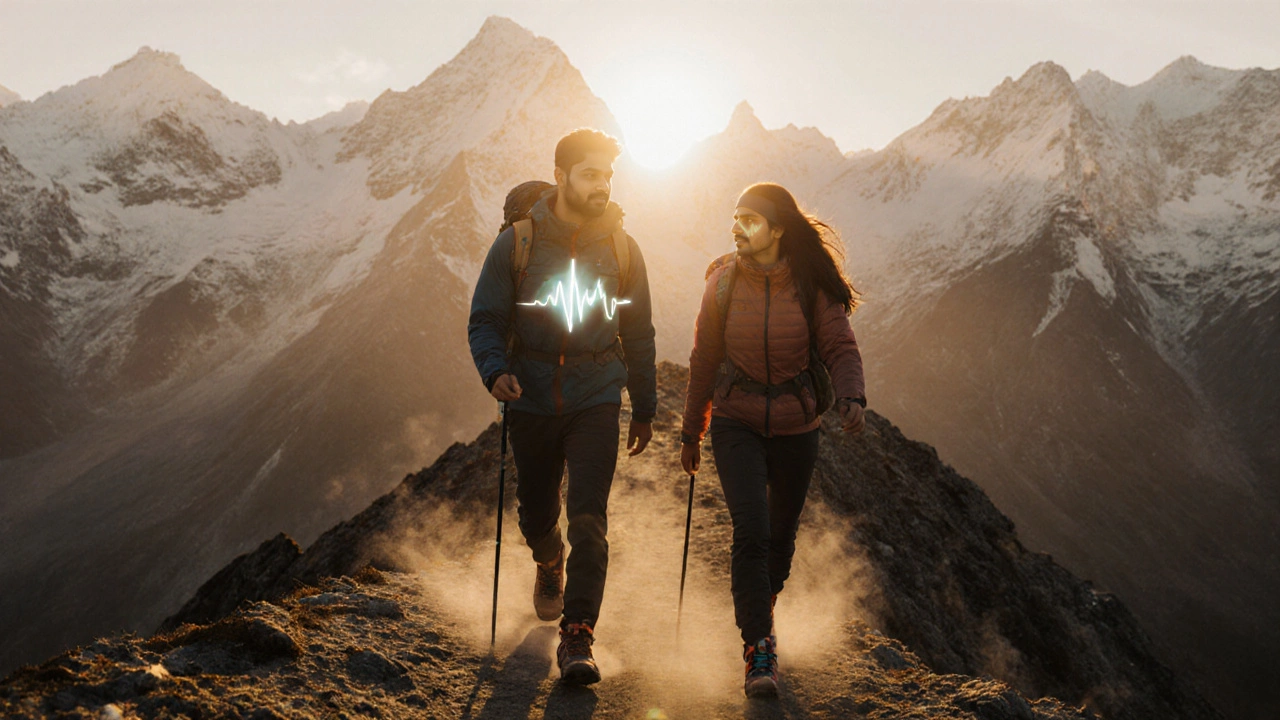
Explore how trekking impacts cardiovascular, musculoskeletal, and mental health, learn the risks, and get practical tips for a healthier hike.
Read More