Is Trekking Good for Health? Benefits, Risks, and Tips
Explore how trekking impacts cardiovascular, musculoskeletal, and mental health, learn the risks, and get practical tips for a healthier hike.
Read MoreWhen you think of trekking fitness, the physical preparation needed to handle long, steep hikes in rugged terrain, you’re not just thinking about walking. You’re thinking about carrying a pack up mountain passes, balancing on rocky paths, and climbing at altitudes where oxygen is thin. trekking in India, a global hub for trails from the Himalayas to the Western Ghats demands more than just enthusiasm—it needs real, targeted strength and stamina. Whether you’re aiming for the Valley of Flowers or the Kedarkantha summit, your body has to be ready before you even lace up your boots.
Himalayan trek training, a specific form of endurance conditioning built for high-altitude, multi-day hikes isn’t about running marathons or lifting heavy weights for reps. It’s about building functional strength: legs that can push uphill for hours, core muscles that stabilize on uneven ground, and lungs that adapt to thin air. Most people underestimate how much carrying a 10–15 kg pack changes everything. You need to train with weight, not just on flat ground. Walk stairs, hike local hills with a loaded backpack, and do squats and lunges with bodyweight or light dumbbells. Cardio matters too—aim for 3–4 sessions a week of brisk walking, cycling, or stair climbing. No fancy gear needed. Just consistency.
It’s not just about muscle. Recovery, breathing, and foot care are just as important. Blistered feet can end a trek before it begins. Practice wearing your hiking boots around the house with the same socks you’ll wear on trail. Learn to breathe deeply and rhythmically—this helps at altitude. And don’t skip rest days. Your body repairs itself when you sleep, not when you’re pushing uphill. Many travelers show up in India thinking they’ll figure it out on the trail. They don’t. The best treks aren’t won by the strongest, but by the most prepared.
Below, you’ll find real advice from people who’ve done it—how to pick the right trail for your fitness level, what exercises actually work, and how to avoid the common mistakes that leave people exhausted or injured. No fluff. Just what you need to know before you step onto the trail.
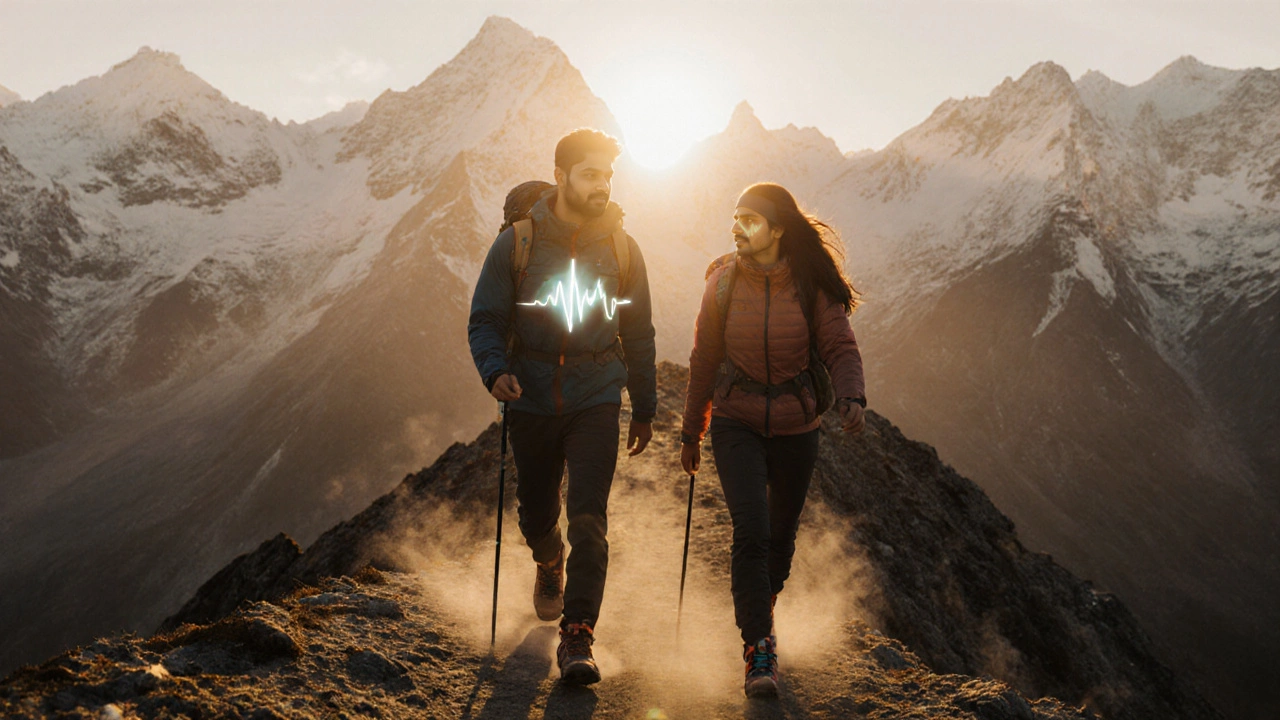
Explore how trekking impacts cardiovascular, musculoskeletal, and mental health, learn the risks, and get practical tips for a healthier hike.
Read More