Trekking Tips: Essential Advice for Hiking in India's Mountains and Trails
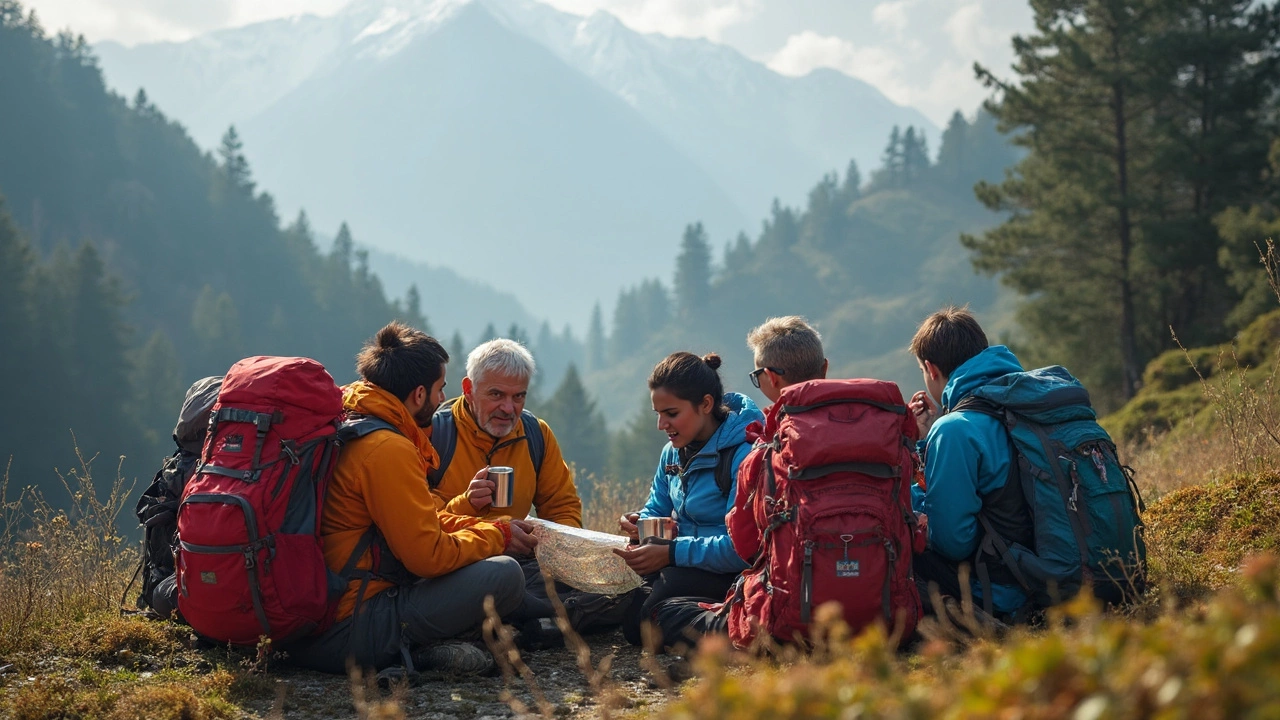
When you think of trekking, a physical journey through rugged terrain, often multi-day and self-supported. Also known as hiking, it’s one of the most direct ways to connect with India’s wild heart. Whether you’re climbing to the base of Kanchenjunga or walking through the misty hills of Coorg, trekking in India isn’t just about steps—it’s about endurance, respect, and preparation. This isn’t a weekend stroll in the park. It’s a test of your body, mind, and adaptability. And if you’re not ready, even the easiest trails can turn dangerous.
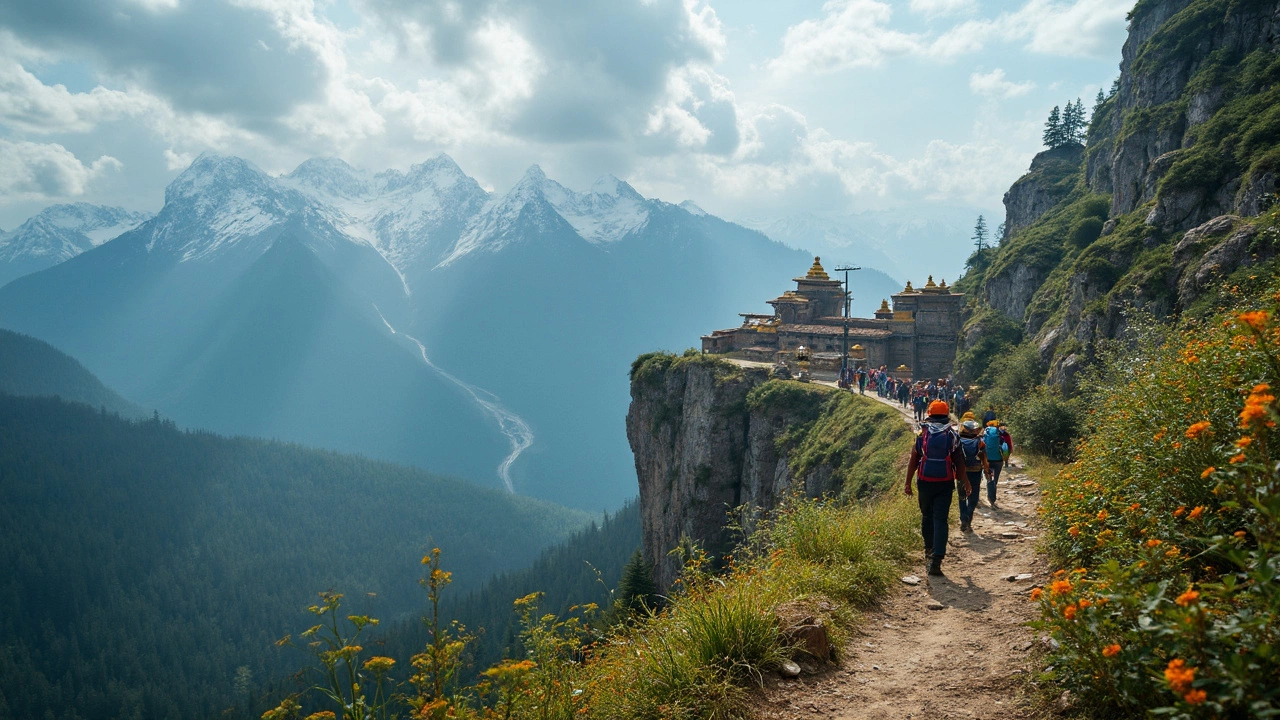
India’s Himalayan treks, long-distance mountain routes across the northern border, including popular paths like the Valley of Flowers and Roopkund demand more than good shoes. You need to understand altitude sickness, how to pack light but smart, and why buying a local woolen cap in Manali beats bringing a fancy imported one. The best trekking destinations India, places like Ladakh, Uttarakhand, and Sikkim that offer trails for every skill level aren’t just scenic—they’re culturally rich. You’ll pass through villages where monks still chant at dawn, and locals sell hot chai from stone huts. Knowing how to greet someone with a "Namaste" isn’t polite—it’s necessary. And don’t assume all trails are marked. Many follow ancient shepherd paths, invisible to GPS.
Weather changes fast. A clear morning can turn into a snowstorm by noon. That’s why Indian trekking trails, routes that vary from gentle forest walks to high-altitude passes above 15,000 feet require layered clothing, not one heavy jacket. Water isn’t always safe to drink, even if it’s coming from a glacier. Carry purification tablets or a filter. And never ignore a guide’s warning. Many local guides know more about the mountain than any guidebook ever could. They’ve seen landslides, sudden storms, and tired hikers who ignored the signs. Your safety isn’t about luck—it’s about listening.
You’ll find treks for beginners near Mussoorie and treks for experts in Zanskar. But no matter your level, the same rules apply: start slow, hydrate often, sleep well, and never rush. The mountains don’t care how fast you want to go. They’ll wait. And when you finally reach that ridge, with the sun hitting the peaks and silence all around, you’ll understand why people come back. This isn’t just exercise. It’s a reset. And the best part? You don’t need to be an athlete to start. Just be ready to learn.
Below, you’ll find real stories from people who’ve walked these trails—what went right, what went wrong, and what they wish they’d known before they left. No fluff. Just what works.