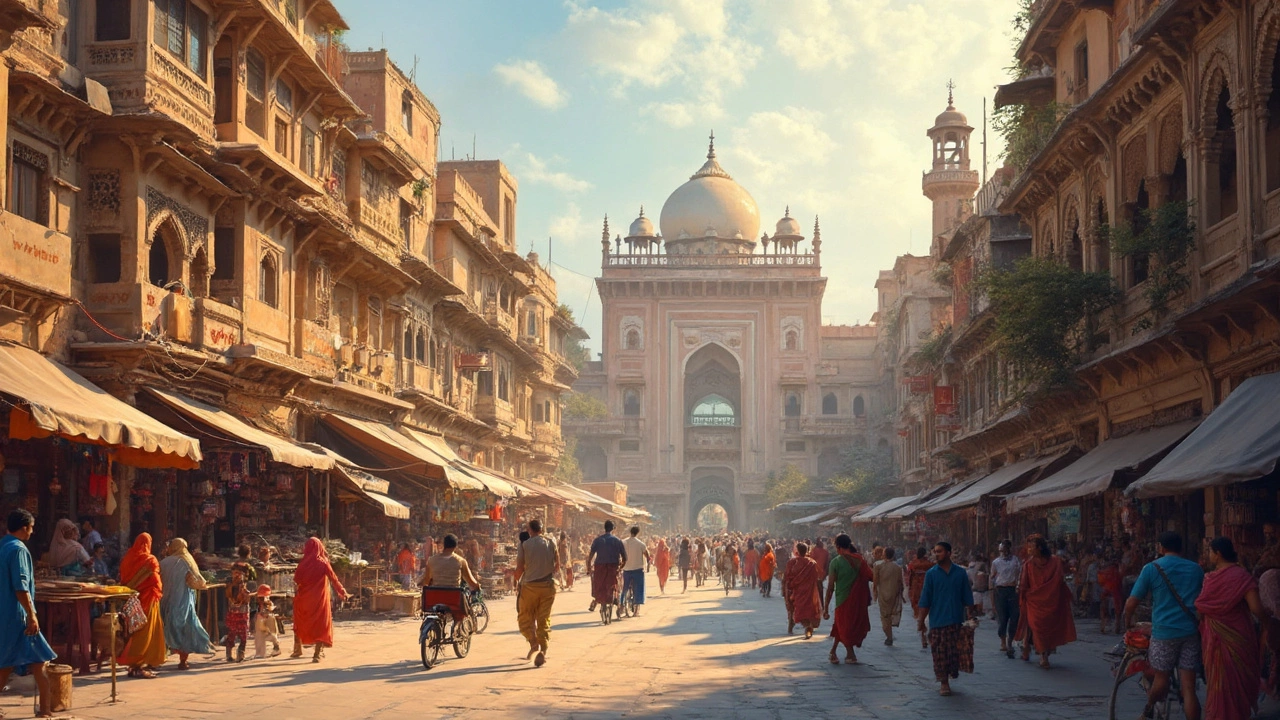
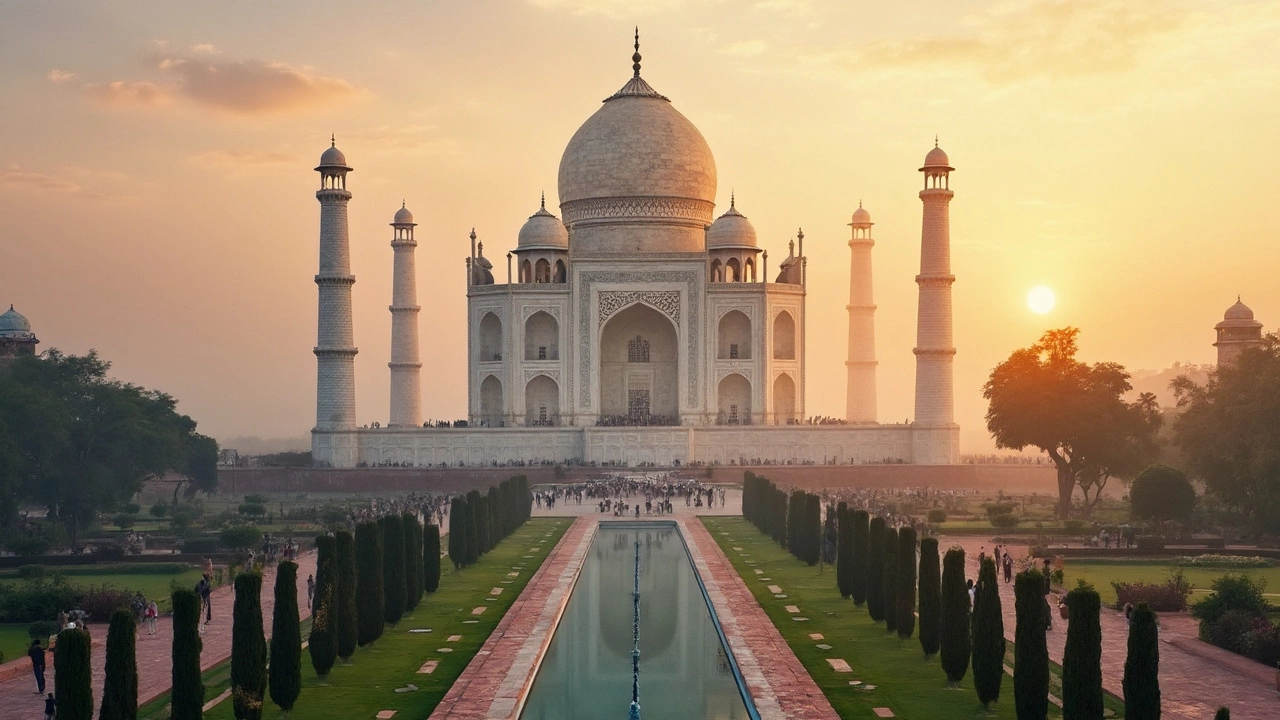
UNESCO Sites in India: Top Heritage Locations and What Makes Them Special
When you think of UNESCO, a United Nations program that protects the world’s most important cultural and natural sites. Also known as World Heritage Sites, it helps preserve places that tell the story of human history and nature in ways no textbook can. India has some of the most powerful examples on the planet. From towering temples carved into rock to colonial railway stations that still hum with life, these aren’t just tourist spots—they’re living parts of India’s soul.
India’s UNESCO World Heritage Sites, officially recognized landmarks of outstanding universal value are spread across 13 states, but two stand out: Uttar Pradesh, home to the Taj Mahal, Agra Fort, and the ancient temples of Khajuraho, and Maharashtra, which holds the record with eight sites, including the Ajanta and Ellora caves and Mumbai’s Victorian Gothic buildings. These aren’t random picks. Each site was chosen because it represents something irreplaceable—a blend of art, faith, engineering, or nature that changed how people lived, worshipped, or built. The UNESCO label isn’t just a badge; it’s a promise to protect these places for future generations.
What’s fascinating is how these sites connect to everyday travel. You don’t need to be a historian to feel the weight of the Ratha Yatra chariots in Puri, or the silence inside the stepwells of Gujarat. Whether you’re standing under the domes of Fatehpur Sikri or hiking to the rock-cut temples of Ellora, you’re walking where millions have walked for centuries. And while some sites draw crowds of over 10 million a year, others quietly wait—like the Great Himalayan National Park, where nature thrives untouched. The real magic? You can plan a trip around just one of these places and still come away with a lifetime of stories.
Below, you’ll find real, practical guides that break down exactly which sites matter most, where they’re located, how to visit them without the crowds, and why some states have far more than others. Whether you’re planning your first trip to India or looking to dig deeper into its past, these articles give you the facts—not the fluff.