UNESCO Sites India: Top World Heritage Places to Visit
When you think of UNESCO sites India, places recognized by the United Nations for their cultural or natural significance. Also known as World Heritage sites India, these locations aren’t just tourist spots—they’re living pieces of history that shaped the country’s identity. India has 40 of them, more than any country in South Asia, and they cover everything from 5,000-year-old cities to breathtaking mountain railways.
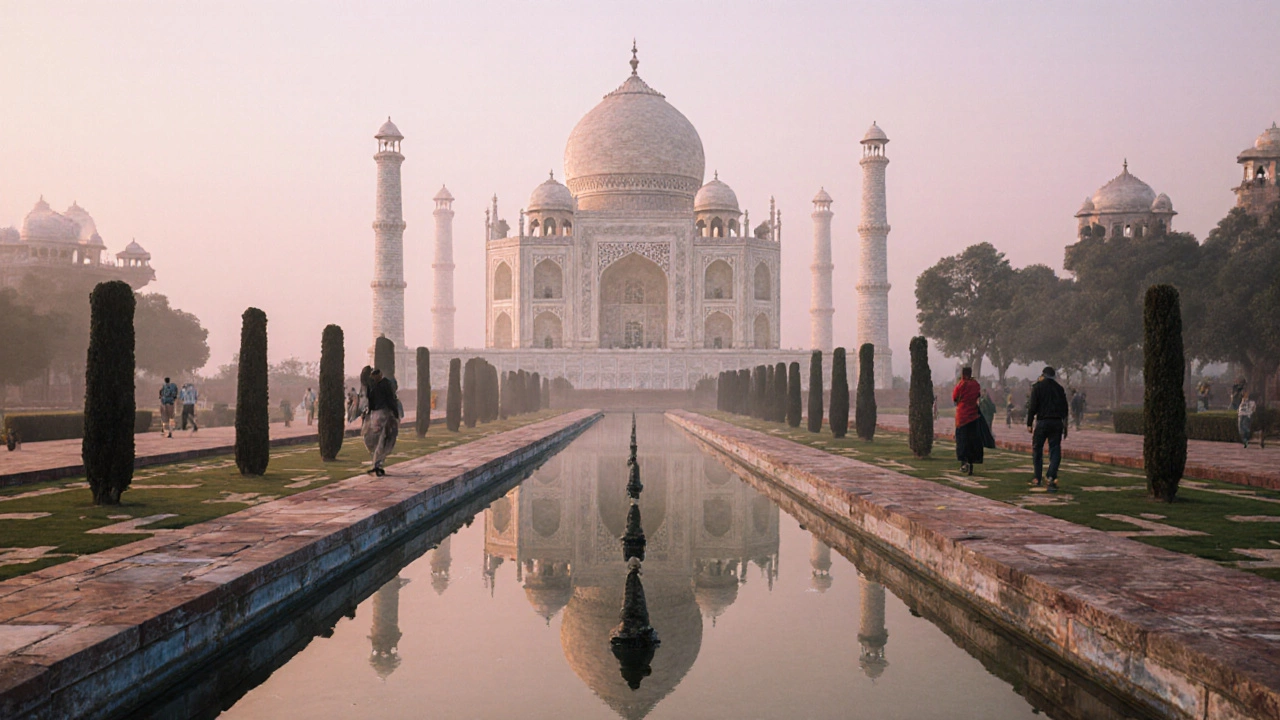
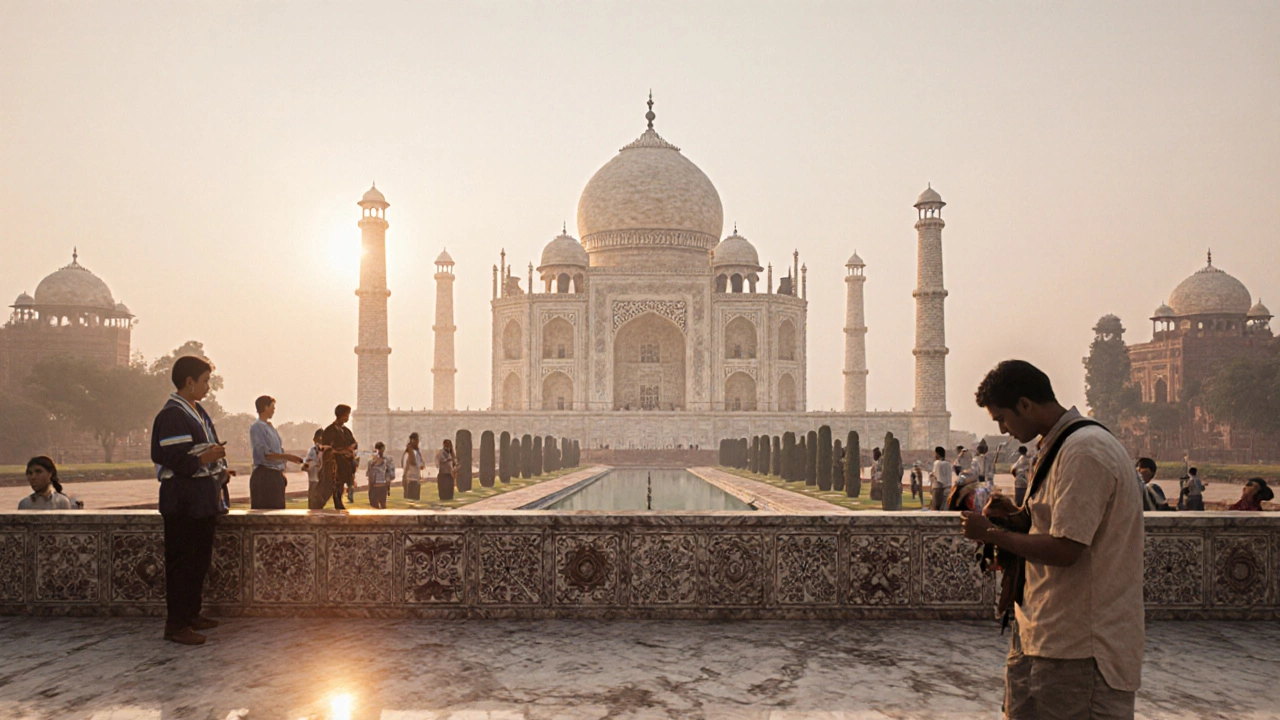
These sites aren’t just old buildings. They’re stories carved in stone, painted on walls, or woven into rituals. The Taj Mahal, a 17th-century marble mausoleum in Agra built by Emperor Shah Jahan draws millions not just for its beauty, but for the love story behind it. Then there’s the Ajanta Caves, rock-cut Buddhist temples with frescoes older than the Renaissance, where monks once meditated in silence, their art still glowing after 2,000 years. And let’s not forget the Khajuraho Group of Monuments, famous for their intricate erotic sculptures that celebrate life, not just religion. Each one tells a different part of India’s soul.
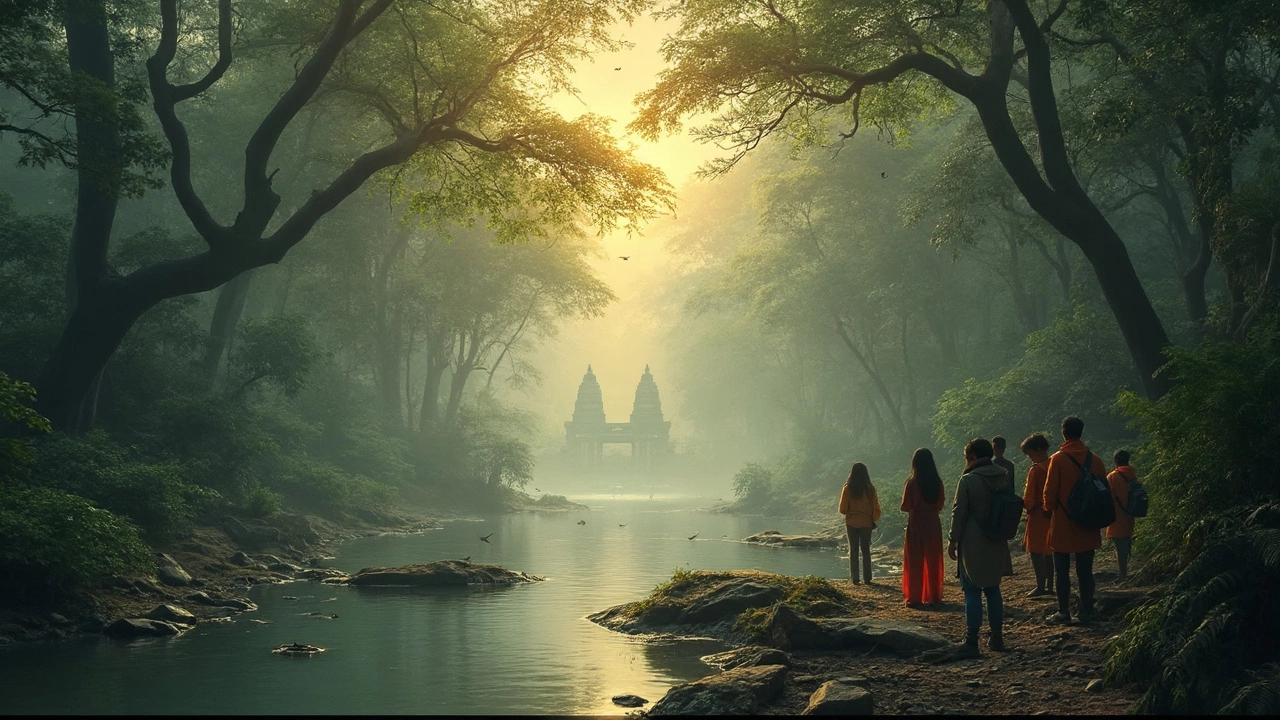
What makes these places special isn’t just their age—it’s how they’re still part of daily life. People pray at the UNESCO sites India like they always have. Festivals happen in their courtyards. Children learn history by walking through them. Maharashtra leads the pack with eight sites, including the Elephanta Caves and the Victorian Gothic buildings of Mumbai. Uttar Pradesh follows with the Taj Mahal, Agra Fort, and Fatehpur Sikri. And then there’s the Great Himalayan National Park, where rare snow leopards roam untouched, proving that nature itself is protected under this global honor.
You don’t need to see them all. But knowing which ones are worth your time makes a difference. Some are crowded, some are quiet, and some are so remote you’ll feel like you’re the first visitor in centuries. Whether you’re drawn to ancient temples, colonial architecture, or wild forests, India’s UNESCO sites offer a real connection to the past—not a museum exhibit, but a living, breathing legacy.
Below, you’ll find real guides that help you pick the right ones for your trip—whether you’re planning a solo journey, a family vacation, or a cultural deep-dive. No fluff. Just what works, what to avoid, and how to make the most of each site.