Why Train Travel Is Unpopular in the US - Key Factors Explained
Explore why train travel stays a niche in the US, covering history, funding, culture, competition, and future prospects for rail.
Read MoreWhen people talk about US transportation, the systems and infrastructure used to move people and goods across the United States. Also known as American transit, it includes everything from highways and airports to the iconic trains that connect major cities. Unlike India’s crowded local trains and rickshaws, US transportation leans heavily on cars, planes, and a few standout rail lines that feel more like experiences than commutes.
One of the most famous pieces of US transportation is Grand Central Terminal, the historic train station in New York City that serves as a hub for commuters and luxury travelers alike. It’s not just a place to catch a train—it’s a landmark with high ceilings, celestial murals, and a vibe that makes even a daily rider pause. Then there’s Acela, Amtrak’s high-speed service along the Northeast Corridor that gets you from Boston to Washington, D.C. faster than driving. And over in Florida, Brightline offers a different kind of ride—relaxed, scenic, and designed for tourists who want to travel without stress. These aren’t just ways to get from point A to point B. They’re cultural touchstones, just like India’s Darjeeling Himalayan Railway or the Palace on Wheels.
Why does this matter if you’re planning a trip to India? Because how you travel at home shapes what you expect abroad. If you’re used to clean, scheduled trains like Acela, you might be surprised by India’s chaotic local rail system. But if you’ve ridden Brightline’s smooth, modern cars, you’ll appreciate India’s luxury trains like the Maharajas’ Express even more. Understanding US transportation helps you set the right expectations—and find the real gems when you land in India.
You’ll find posts here that compare American rail journeys with India’s heritage routes, show you which airports get you closest to Indian beaches, and explain why a 10-year Indian visa costs $160 for US citizens. We cover safety, costs, and hidden details you won’t find in brochures. Whether you’re curious about why Grand Central is famous or how a $20 budget works in India, this collection gives you the real picture—not the tourist version.
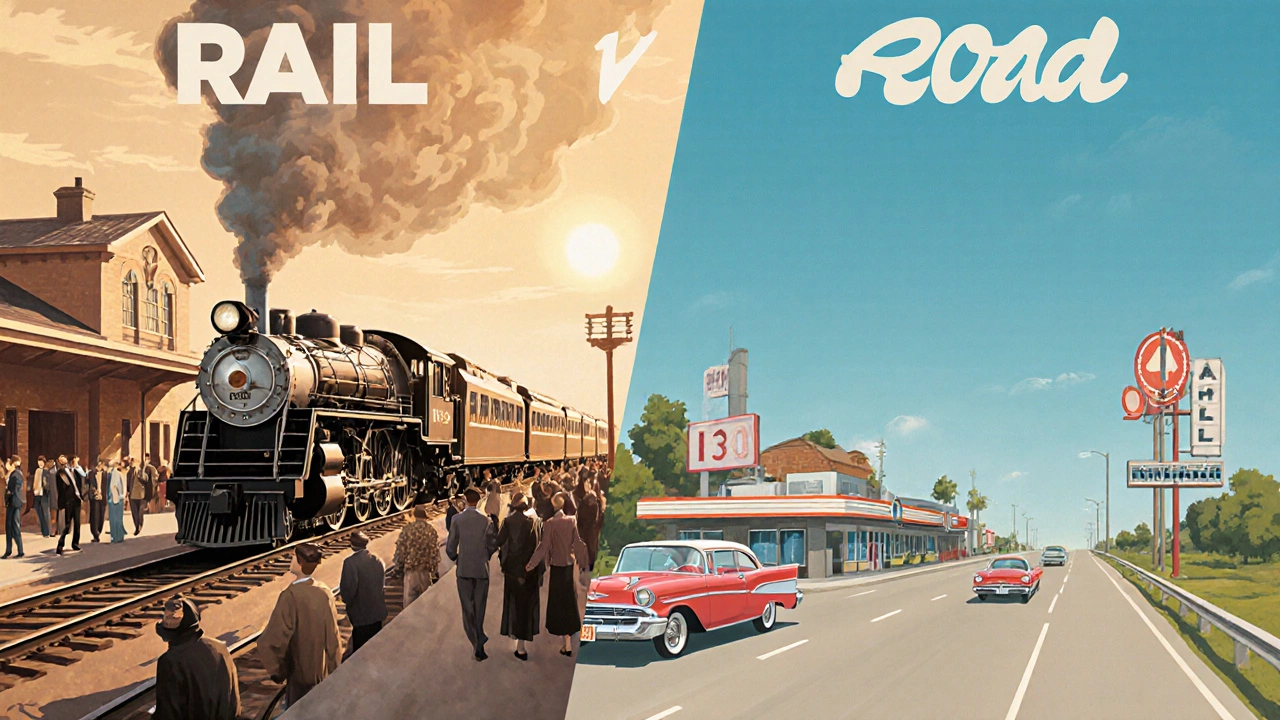
Explore why train travel stays a niche in the US, covering history, funding, culture, competition, and future prospects for rail.
Read More