White Water Rafting India: Best Rivers, Safety Tips, and Where to Go
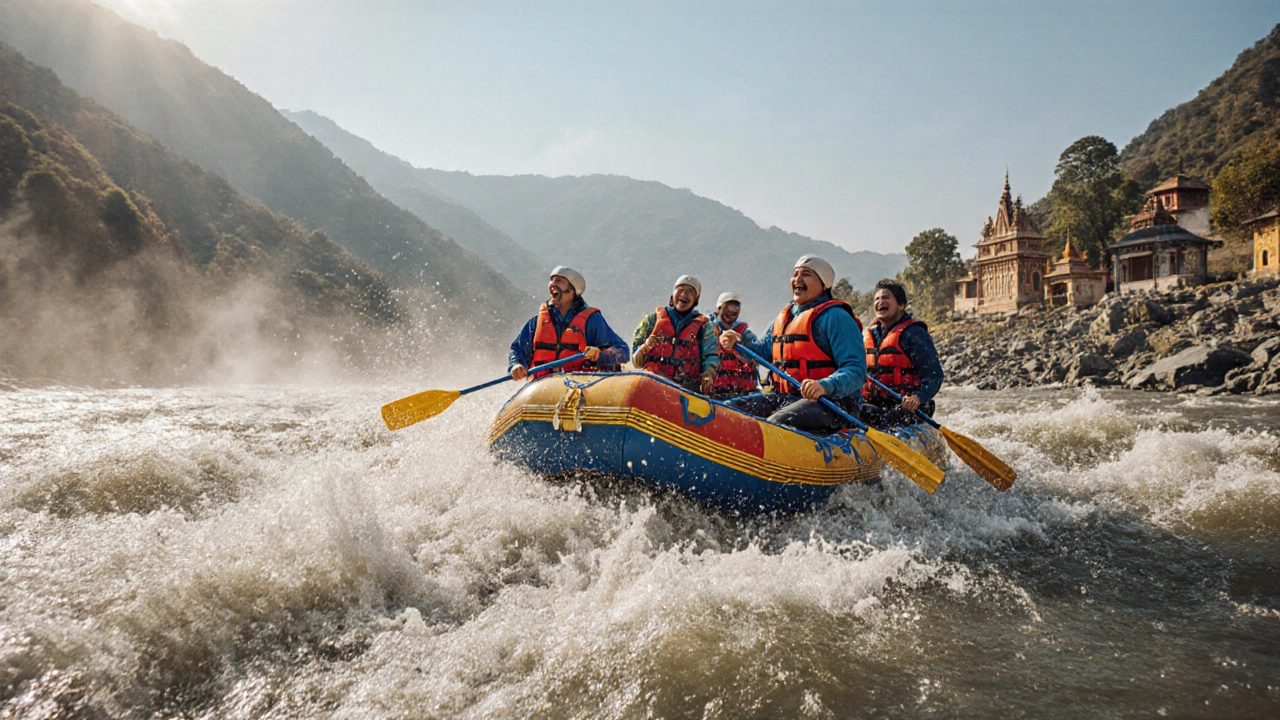
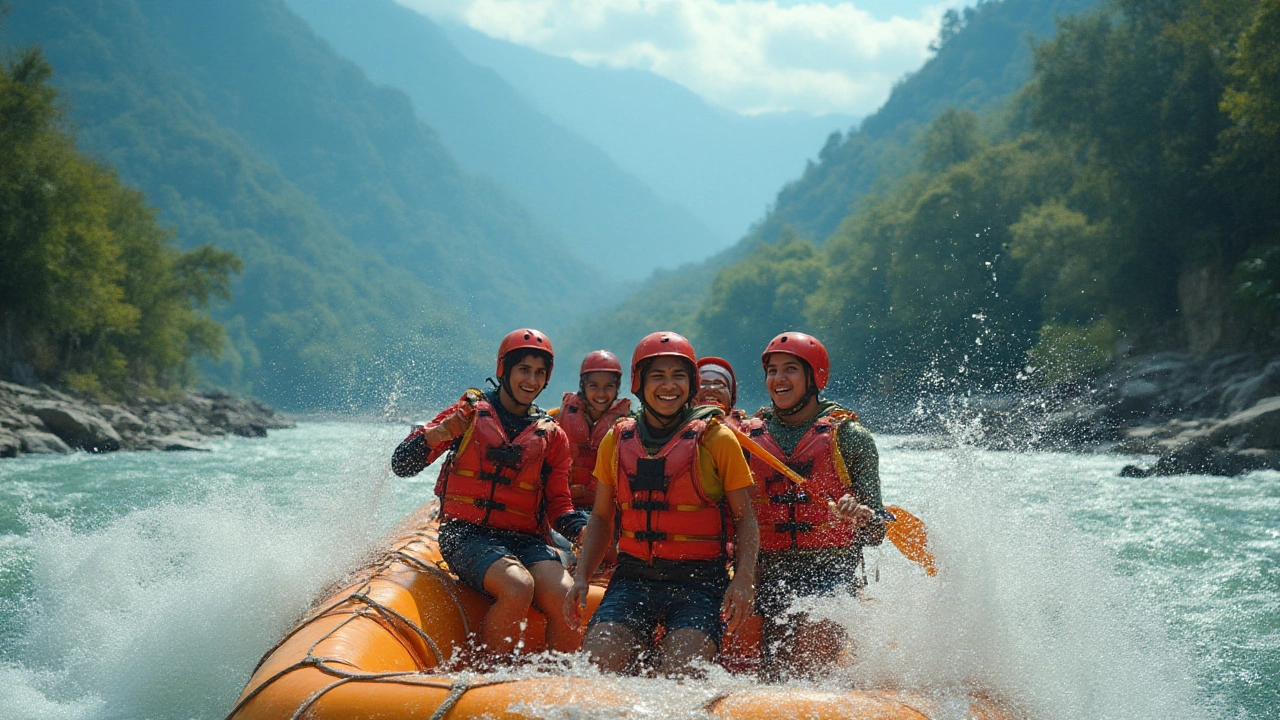
When you think of white water rafting India, an adrenaline-packed water sport that combines teamwork, strength, and natural beauty. Also known as river rafting, it’s one of the most popular adventure activities for travelers seeking more than just temples and beaches. India’s rivers aren’t just sacred—they’re also some of the most exciting rafting routes in Asia, cutting through mountains, forests, and remote valleys.
The Ganga River, the holy river that flows from the Himalayas to the Bay of Bengal is where most people start. Rishikesh, known as the yoga capital, is also the rafting capital. The stretch from Brahmpuri to Shivpuri offers Grade II-III rapids, perfect for beginners and families. If you want more intensity, head to the Upper Ganga near Kaudiyala, where the water gets wilder—Grade IV rapids mean big waves and tight turns. Meanwhile, the Beas River, a fast-flowing river in the Himalayas near Manali gives you Grade III-IV rapids with stunning views of snow-capped peaks. And if you’re looking for something off the beaten path, the Zanskar River, a remote, icy river in Ladakh offers Grade V rapids that only experienced rafters should tackle.
What makes rafting in India different? It’s not just about the water. You’re rafting through landscapes that have shaped cultures for centuries. In Rishikesh, you’ll pass ashrams and temples as the river churns below. In Kerala, you’ll glide past tea plantations and spice farms on the Kundalika River. And in Ladakh, you’ll feel like you’re on another planet. Safety is simple: always go with a licensed operator, wear a life jacket and helmet, and never raft alone. Most companies in Rishikesh and Manali follow international safety standards, and guides speak English. You don’t need to be an athlete—just ready to get wet and have fun.
Season matters. The best time for rafting in India is from late September to June. Monsoon season (July-August) makes rivers dangerous with flash floods. Winter (December-February) brings colder water, especially in the north, but it’s still doable with proper gear. Prices start around ₹800 for a 10-km trip in Rishikesh, and include gear, guide, and transport. Many trips end with a hot cup of chai on the bank—because after a few hours of white water, you’ll need it.
Below, you’ll find real stories, practical tips, and trusted guides to help you pick the right river, avoid common mistakes, and make the most of your rafting trip in India. Whether you’re a first-timer or looking to level up, there’s a rapid waiting for you.