Food Comparison in India: Taste, Tradition, and Regional Differences
When you think of Indian cuisine, a vast, diverse system of cooking shaped by geography, religion, and centuries of trade. Also known as South Asian food, it’s not one style—it’s dozens, each with its own rules, spices, and soul. What’s called "curry" in one state might be unrecognizable in the next. A butter chicken from Punjab has nothing in common with a sambar from Tamil Nadu—not just in taste, but in history, technique, and even the way it’s eaten.
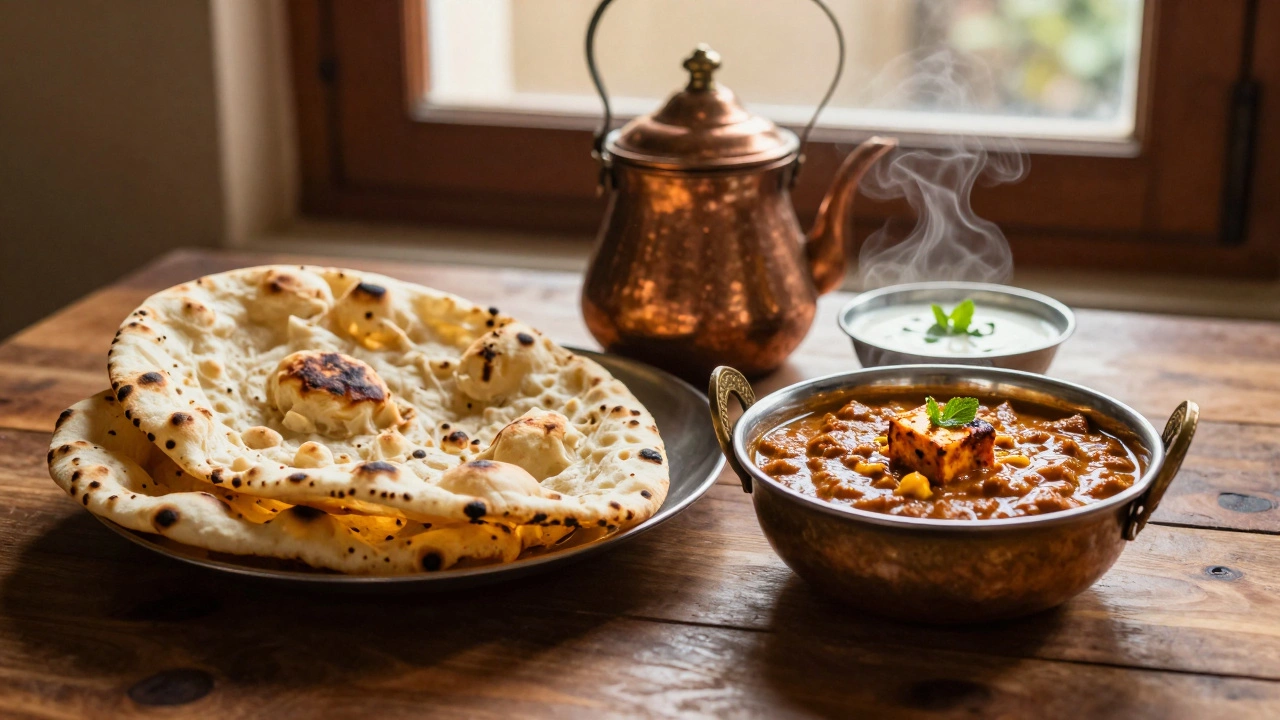
That’s why food comparison, the practice of analyzing how dishes vary across regions, ingredients, and cooking methods. Also known as regional food analysis, it’s the only way to truly understand India’s culinary map. In the north, dairy and wheat rule: think paneer, naan, and rich gravies thickened with cream and nuts. Down south, rice is king, coconut oil replaces ghee, and tamarind brings a sour punch you won’t find in Delhi. Even something as simple as idli—steamed rice cakes—tastes different in Chennai than in Bengaluru, because of the fermentation time, rice variety, or the water used.
Then there’s street food India, a chaotic, vibrant, and deeply personal food culture that thrives on roadside stalls and night markets. Also known as urban Indian snacks, it’s where the real flavor wars happen. In Mumbai, vada pav is a spicy potato fritter in a bun. In Lucknow, it’s kebabs wrapped in paratha. In Kolkata, you’ll find jhal muri—puffed rice with mustard oil and chili—that no other city serves quite like it. These aren’t just snacks; they’re identity markers.
And don’t forget the spices. Cardamom in a North Indian biryani isn’t the same as in a Kerala fish curry. In the south, curry leaves and dried red chilies are as essential as salt. In the west, kokum adds sourness where tamarind doesn’t grow. These aren’t random choices—they’re inherited knowledge, passed down through generations.
What you’ll find below are real, detailed comparisons pulled from actual travel experiences across India. Not guesses. Not tourist brochures. Real breakdowns of what makes a dosa from Mysore different from one in Coimbatore. Why Rogan Josh from Kashmir tastes nothing like the version you get in Delhi. Which city’s chaat will make you rethink everything you thought you knew about tangy, crunchy, spicy snacks. You’ll see how climate, religion, and even colonial history shaped what’s on your plate. This isn’t about which food is "better." It’s about understanding why each bite tells a different story.