Holy Places in India: Sacred Sites, Pilgrimages, and Spiritual Journeys
When you think of holy places in India, sacred destinations where faith, culture, and history collide in powerful ways. Also known as pilgrimage sites, these locations aren’t just buildings—they’re the beating heart of millions of spiritual journeys every year. From the mist-covered hills of Tirumala to the oceanfront chaos of Puri, these places don’t just attract visitors—they transform them.
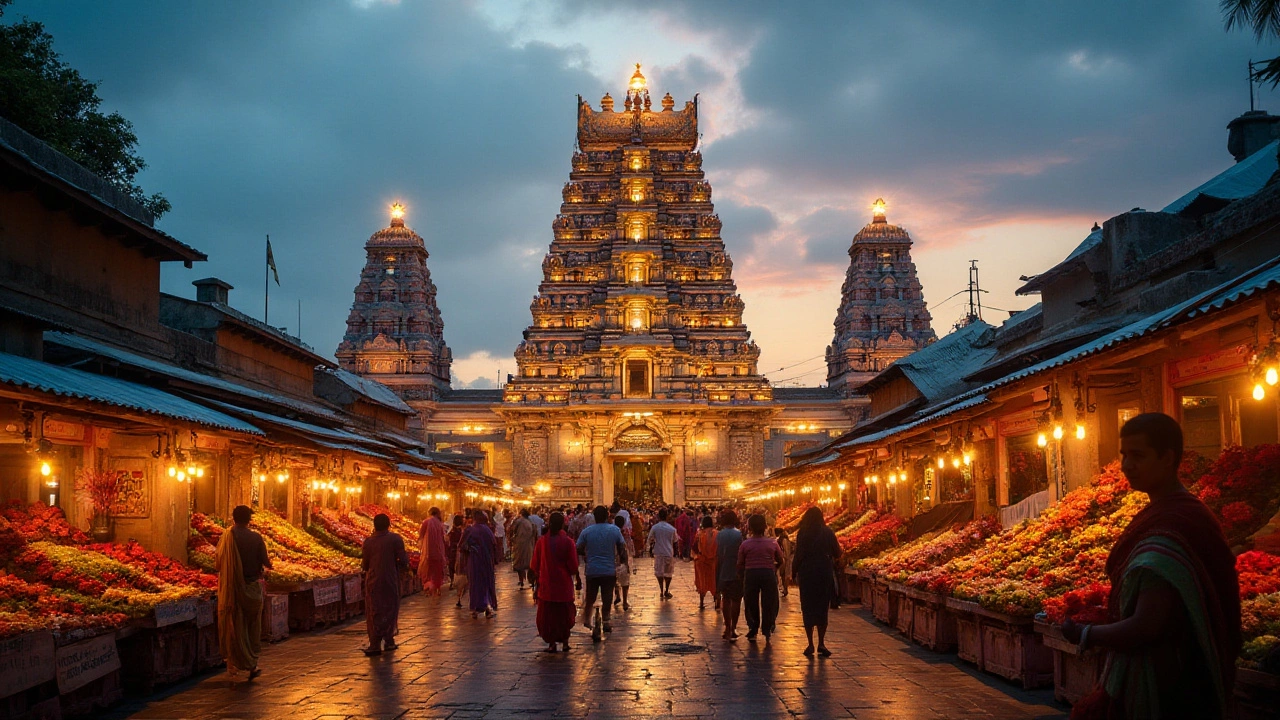
One of the most powerful examples is the Tirumala Venkateswara Temple, a Hindu shrine in Andhra Pradesh that welcomes over 40 million pilgrims annually. Also known as Tirupati Balaji, it’s not just the most visited temple in India—it’s one of the most visited religious sites on Earth. People come for blessings, for answers, for peace, or just because it’s what their family has always done. Then there’s the Sri Ratha Yatra, a massive chariot festival in Odisha where over a million people pull towering wooden carts carrying deities through the streets. This isn’t a performance. It’s a 1,000-year-old tradition that still moves people to tears.
These aren’t isolated events. They’re part of a larger network of sacred sites that define Indian spirituality. The Ganga River in Rishikesh isn’t just water—it’s a living deity, and thousands bathe in it every day hoping for purification. Temples in Varanasi glow with oil lamps at dawn, while the Golden Temple in Amritsar feeds over 100,000 people daily, no questions asked. These places don’t ask for money—they ask for presence. You don’t need to be religious to feel it. You just need to show up.
What you’ll find in the articles below aren’t generic lists. You’ll read about the real stories behind the crowds—the logistics of feeding millions, the quiet moments between pilgrims, the surprising safety tips for visiting crowded shrines, and why some temples are more accessible than others. Whether you’re planning a spiritual trip or just curious about why these places matter so much, the real answers are here.