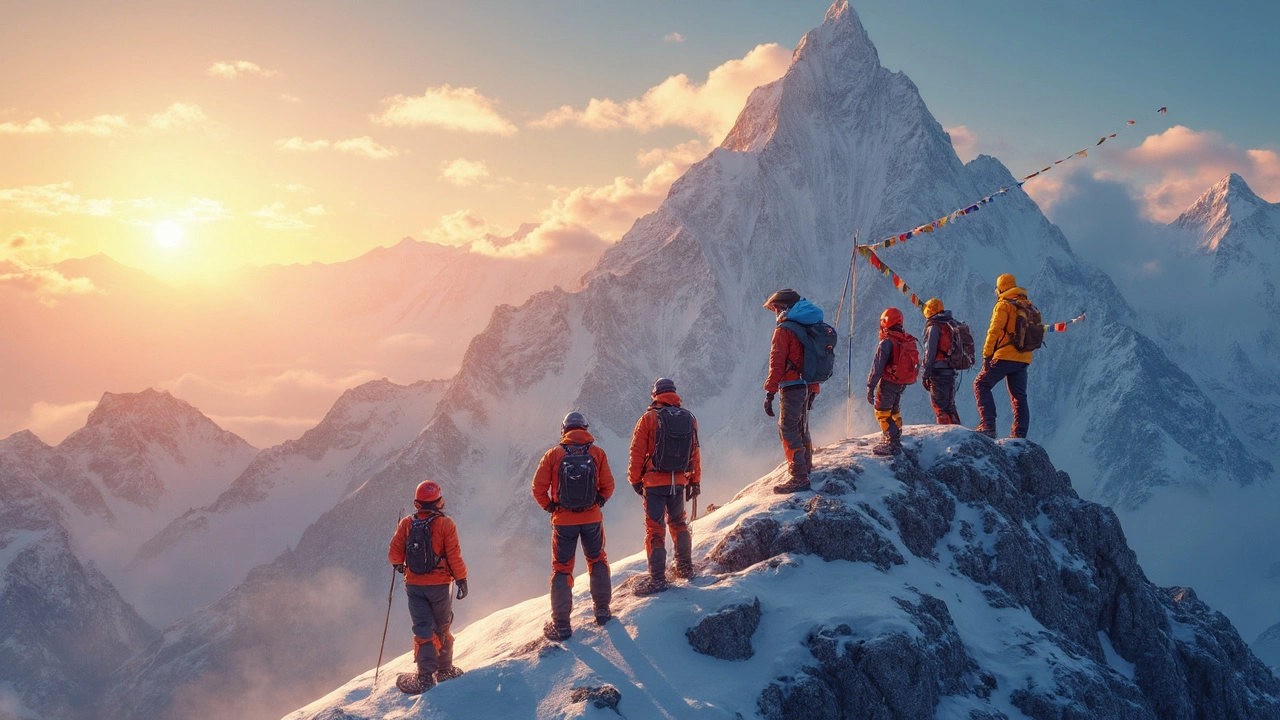
India Trekking: Best Trails, Gear, and Where to Start
When it comes to India trekking, the act of hiking through India’s diverse mountain ranges, forests, and high-altitude passes for adventure and immersion. Also known as mountaineering in India, it’s not just about climbing—it’s about walking through villages that haven’t changed in centuries, breathing air thinner than most places on Earth, and sleeping under stars only the Himalayas can offer. This isn’t a single trail. It’s a whole network of paths, each with its own rhythm, challenge, and story.
Some of the most famous routes fall under Himalayan treks, long-distance hikes in northern India’s mountain belt, including regions like Uttarakhand, Himachal Pradesh, and Sikkim. Think Valley of Flowers, Roopkund, or the Markha Valley—places where you’ll pass prayer flags, monasteries, and glacial rivers. Then there’s the Western Ghats, a UNESCO-listed mountain chain running along India’s west coast, known for misty trails, waterfalls, and rare wildlife. These are lower in altitude but just as rich in culture and greenery. You don’t need to be an athlete to start. Many trails, like Kudremukh or Nag Tibba, are perfect for beginners with decent fitness.
What makes India trekking stand out isn’t just the scenery—it’s the people. You’ll share tea with shepherds in Ladakh, get guided by locals who’ve walked these paths since childhood, and sleep in homestays that cost less than a hotel room in most countries. Gear doesn’t need to be expensive either. A good pair of hiking shoes, a light rain jacket, and a small backpack are enough for most trips. You can rent everything else on-site.
Seasons matter. Most Himalayan treks run from April to June and September to November. Monsoon season (July–August) shuts down many trails, but the Western Ghats come alive with waterfalls and greenery then. Winter? Only for the bold—some high-altitude routes turn into ice mazes.
What you’ll find in the posts below isn’t just a list of trails. It’s real advice from people who’ve done it: which treks are safest for solo travelers, where to find the best local guides, how much to budget, and which routes are overrated. You’ll also learn why Rishikesh isn’t just for yoga—it’s a gateway to some of India’s most accessible treks. And yes, there’s a post on the one place that calls itself the world capital of trekking, a title India holds because of its unmatched variety, affordability, and year-round access to trails. Whether you’re planning your first hike or your tenth, what follows will help you choose the right path—and avoid the mistakes most first-timers make.