Indian Pilgrimage: Sacred Sites, Festivals, and Spiritual Journeys Across India
When you think of Indian pilgrimage, a deep-rooted tradition of spiritual travel centered around sacred sites and religious rituals in India. Also known as tirtha yatra, it’s not just about visiting temples—it’s about transformation, devotion, and community. Every year, over 100 million people walk, ride, or fly to holy places across India, not for vacation, but for meaning. This isn’t a trend. It’s a rhythm older than most modern nations, passed down through generations.
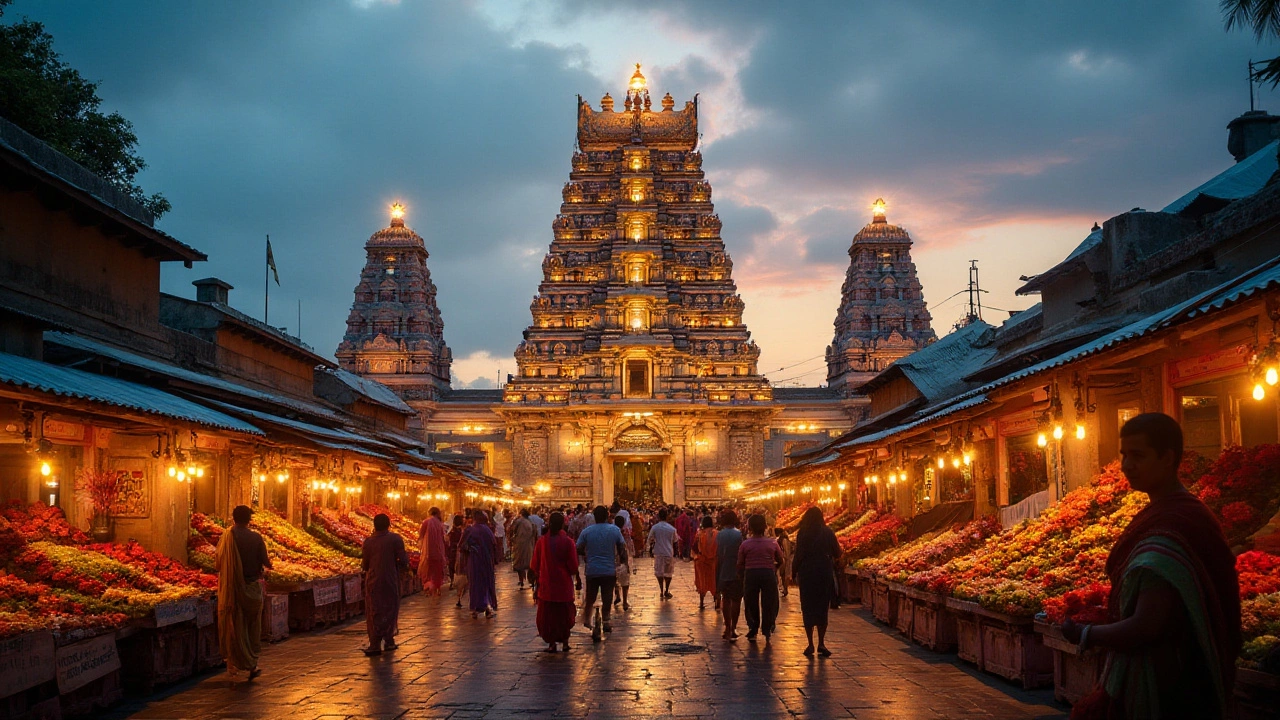
At the center of this movement is the Tirumala Venkateswara Temple, the most visited religious site in the world, drawing over 40 million pilgrims annually in Tirupati. People come from every corner of the country and beyond to offer prayers to Lord Venkateswara, often climbing 1,200 steps or walking 12 kilometers barefoot as an act of faith. Then there’s the Sri Ratha Yatra, the massive chariot festival in Puri, Odisha, where over a million people pull towering wooden carts carrying deities through the streets. It’s raw, loud, emotional, and deeply human. These aren’t tourist attractions—they’re living rituals that shape cities, economies, and lives.
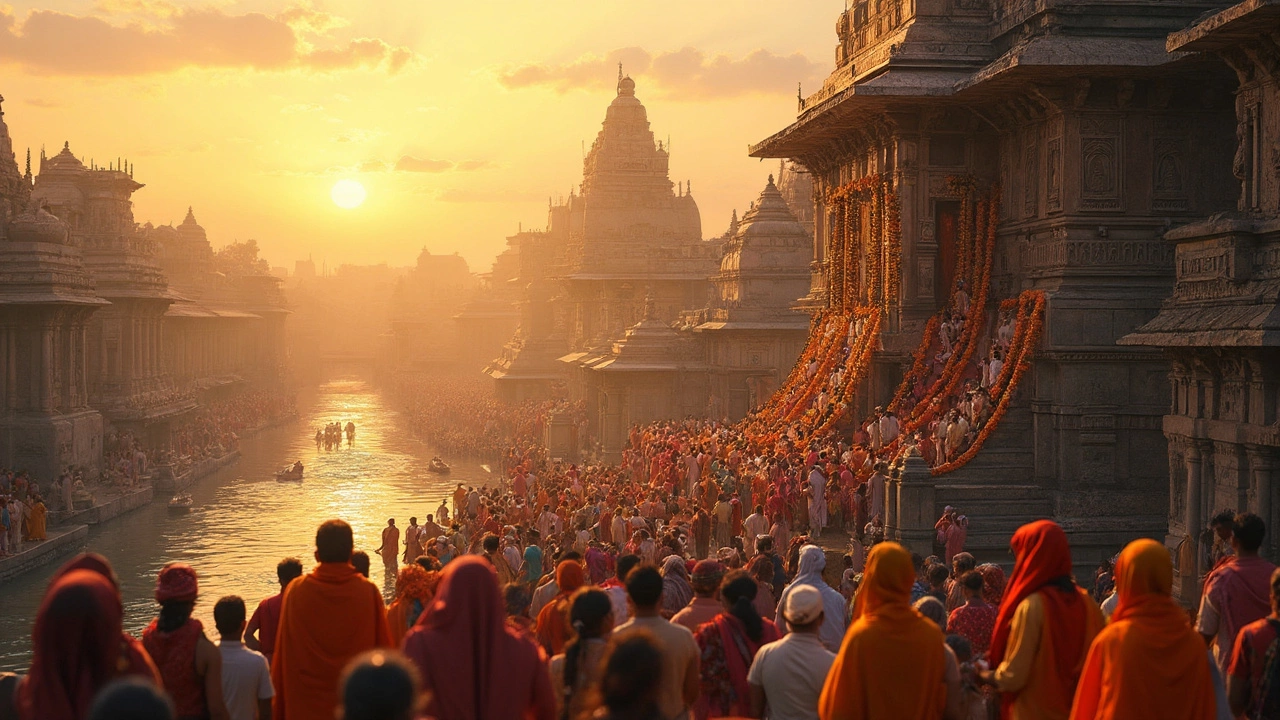
Indian pilgrimage isn’t limited to one religion or region. It weaves through the Himalayas, where pilgrims trek to Kedarnath and Badrinath; across the Ganges, where Varanasi’s ghats glow with evening aartis; and into the deserts of Rajasthan, where Jain temples echo with silence and devotion. Even the smallest village shrine can become a destination for those seeking healing, answers, or simply peace. What ties them all together? A shared belief that movement—on foot, by bus, or in prayer—can change you.
What you’ll find below are real stories, facts, and insights from travelers who’ve walked these paths. From the busiest temple in India to the safest cities for pilgrims, from festival crowds you need to plan for to the quiet moments that stay with you long after you leave—you’ll see Indian pilgrimage not as a distant ritual, but as something alive, personal, and deeply reachable.