Kashmir Valley: Beauty, Culture, and Travel Secrets of India’s Himalayan Jewel
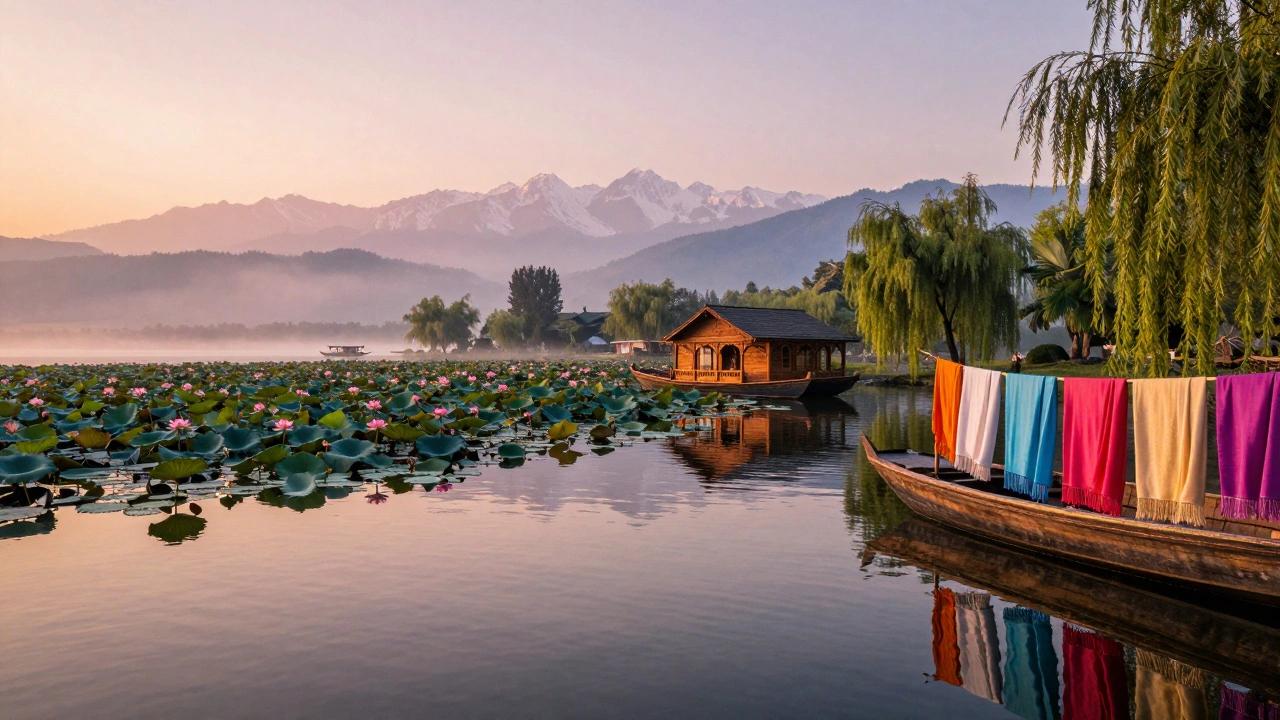
When you think of Kashmir Valley, a high-altitude valley nestled in the Himalayas, known for its stunning natural beauty, rich cultural heritage, and seasonal charm. Also known as Paradise on Earth, it’s a place where snowmelt rivers carve through meadows, houseboats float on calm lakes, and the scent of saffron lingers in the air. This isn’t just another tourist spot—it’s a living landscape shaped by centuries of trade, poetry, and resilience.
The Himalayas, the world’s highest mountain range that forms the northern border of India and shapes its climate, culture, and travel routes don’t just surround Kashmir—they define it. Unlike the bustling cities of Delhi or the sun-soaked shores of Goa, Kashmir offers quiet majesty. You’ll find houseboats, traditional wooden boats on Dal Lake that serve as floating homes and hotels, unique to Kashmir’s water-based tourism where guests wake up to the sound of water lapping against wood and the call of morning vendors selling fresh bread. The Mughal Gardens, carefully designed terraced gardens built by Persian-influenced emperors, blending architecture with nature in a way unmatched elsewhere in India in Srinagar aren’t just pretty—they’re a testament to how power, art, and nature once danced together here.
What makes Kashmir Valley different isn’t just the scenery—it’s the rhythm of life here. Locals still hand-weave Pashmina shawls, farmers harvest apples on terraced slopes, and families gather for Wazwan feasts with over a dozen meat dishes. The valley isn’t frozen in time, but it holds onto its soul. You won’t find fast-food chains dominating the streets. Instead, you’ll sip kahwa tea spiced with cardamom and almonds while watching the sun set behind the Pir Panjal range.
And yes, it’s not without its challenges. Travelers come with questions—about safety, accessibility, and the best time to go. The good news? When conditions allow, Kashmir delivers experiences you won’t find anywhere else. Spring brings almond blossoms that turn entire valleys pink. Summer lets you trek to alpine lakes like Gangabal. Autumn paints the countryside gold and red. Even winter, with its snow-covered rooftops, has a quiet magic.
Below, you’ll find real stories, practical tips, and honest takes from travelers who’ve walked these paths, floated on these waters, and eaten at these tables. Whether you’re planning your first trip or just dreaming of it, what you’ll read here isn’t fluff—it’s what actually matters when you’re standing on the edge of Dal Lake, wondering if this place is as real as it looks.