There’s no single answer to which is India’s most beautiful place-because beauty here doesn’t sit still. It changes with the seasons, the light, and the mood of the mountains, rivers, and skies. But if you’re asking where to go when you want to feel like you’ve stepped into a painting, North India holds more than a few answers.
Kashmir Valley: Where the Air Smells Like Spring
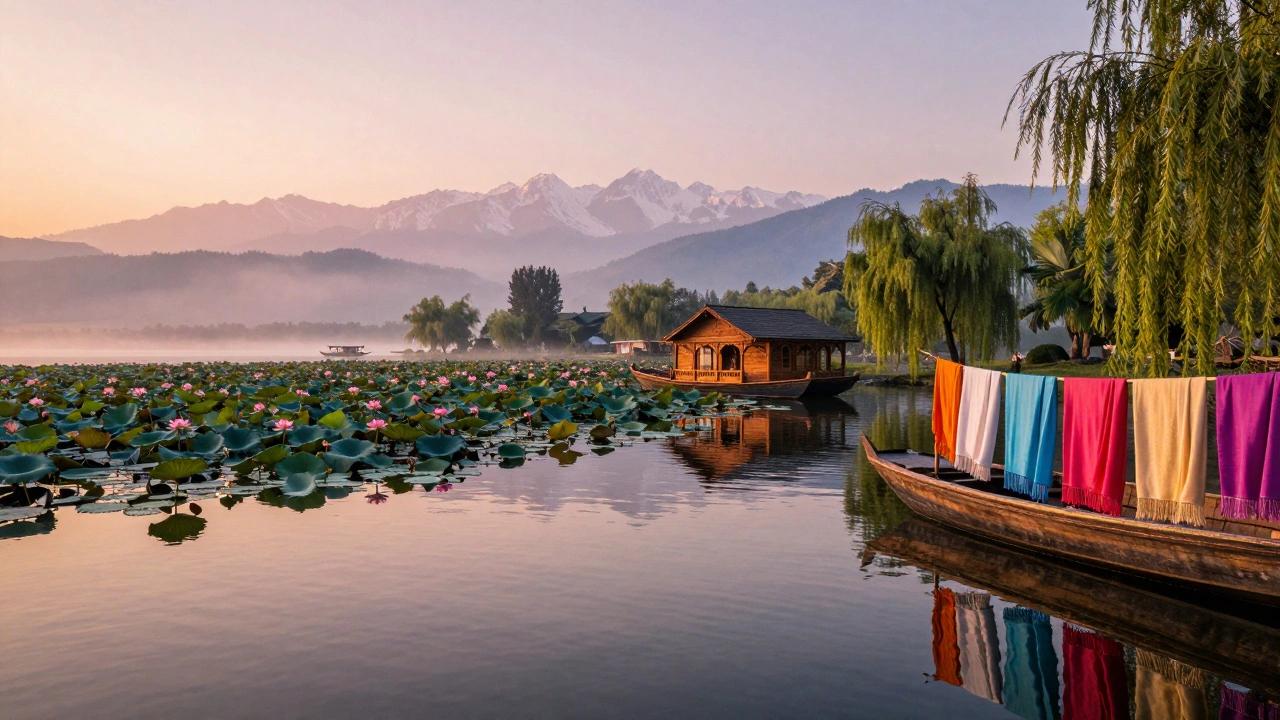
When the snow melts in April, the Kashmir Valley wakes up like it’s been holding its breath for months. The Dal Lake shimmers under floating gardens of lotus blooms. Houseboats with wooden balconies drift past willow trees, and shikaras glide silently past vendors selling saffron and handwoven pashminas. The Mughal gardens-Shalimar Bagh and Nishat Bagh-are arranged like geometric poetry, each terrace dropping gently toward the water. This isn’t just scenery; it’s a slow, quiet rhythm that pulls you in. Locals say if you’ve seen Kashmir in full bloom, you’ll spend the rest of your life trying to find it again.
Leh-Ladakh: The Roof of the World
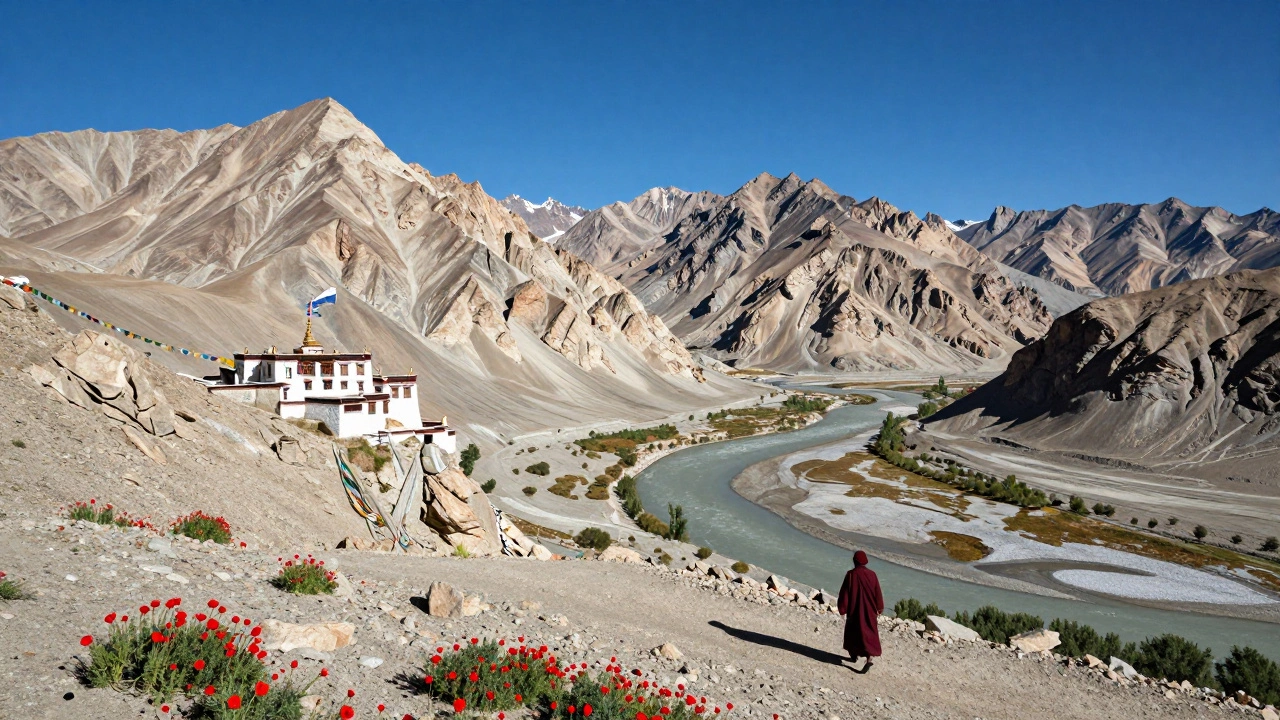
Leh-Ladakh doesn’t feel like Earth sometimes. At over 3,500 meters, the air is thin, the sky is a blue you can’t fake, and the mountains look like they were carved by giants. The Indus River cuts through the desert like a silver thread. Monasteries cling to cliffs-Thiksey, Hemis, and Diskit-each with prayer flags snapping in the wind and monks chanting in echoing courtyards. In summer, the landscape explodes with wild poppies and mustard fields. In winter, it turns into a frozen silence so deep you can hear your own heartbeat. This isn’t a place you visit. It’s a place that changes you.
Agra: The Taj Mahal Isn’t Just a Postcard
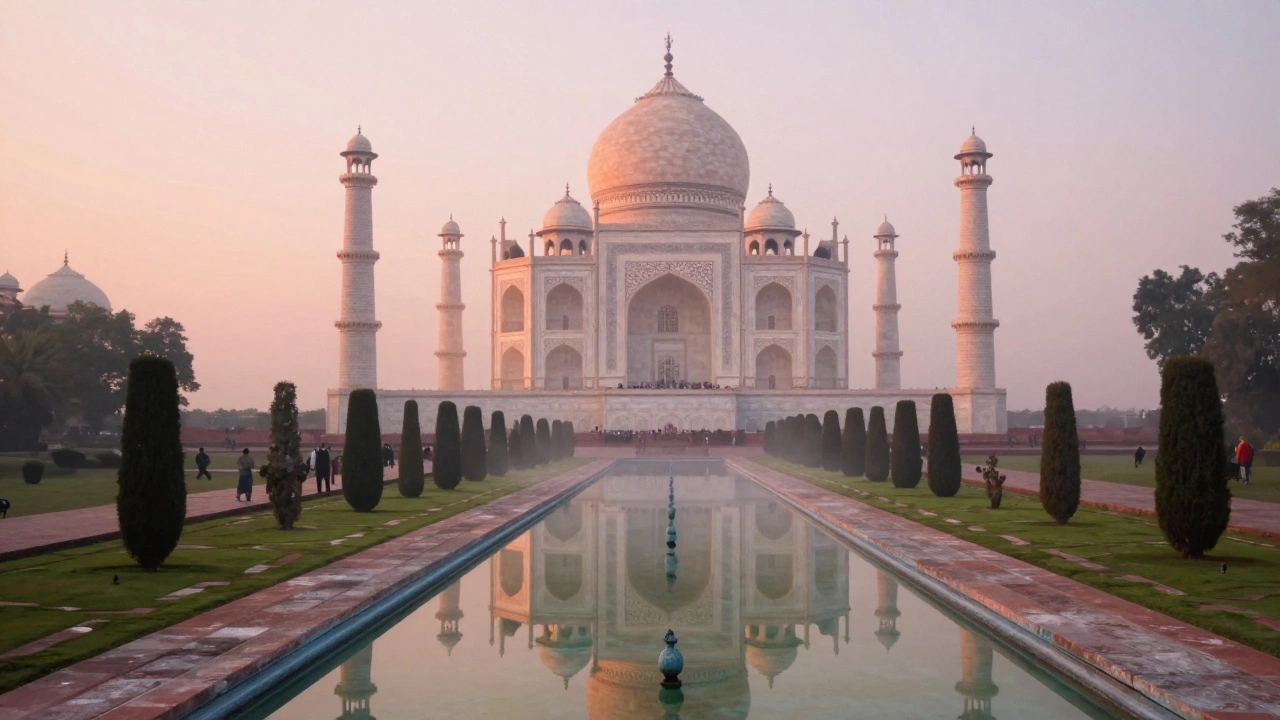
Everyone sees the Taj Mahal in photos. Few see it at sunrise. When the first rays hit the white marble, it turns from ivory to rose gold, then to a soft pink. The reflection in the long pool looks like the building is floating. Built by Shah Jahan for his wife Mumtaz Mahal, it’s not just architecture-it’s grief turned into something eternal. Walk around the complex at dawn, and you’ll notice how the calligraphy on the walls changes with the light. The gardens are arranged to mirror paradise as described in the Quran. It’s not the most remote or wild place in North India, but it’s the one that makes you stop breathing.
Rishikesh: Where the Ganges Whispers
Rishikesh doesn’t scream beauty-it hums it. The Ganges flows here clear and cold, cutting through the foothills of the Himalayas. Ashrams line the riverbank, their bells ringing at sunrise. Yoga classes spill out onto wooden decks, and the scent of incense mixes with the damp earth. At night, the Ganga Aarti on Parmarth Niketan’s ghat turns the river into a ribbon of fire. Thousands of oil lamps float downstream, each one carrying a wish. It’s not the grandest landscape, but it’s the most soulful. People come here to find peace. Most leave with something they didn’t know they were missing.
Manali: The Mountain That Never Sleeps
Manali is where the Himalayas get playful. The Beas River rushes past pine forests, and the snow-capped peaks of the Pir Panjal range glow at sunset. In winter, the town turns into a snow globe-ski slopes open at Solang Valley, and hot buttered chai warms your hands after a long hike. In summer, trekkers head to Rohtang Pass or the hidden village of Hampta. The old town, with its Tibetan markets and wooden chalets, feels like a time capsule. You can sit on a balcony, watch the clouds roll over the mountains, and forget what day it is. It’s not quiet like Kashmir or spiritual like Rishikesh-but it’s alive in a way that makes you want to stay forever.
Why These Places Stand Out
What makes these spots more than just pretty views? They all have one thing in common: they don’t perform for tourists. They don’t need to. Kashmir doesn’t care if you post a photo. The Taj Mahal doesn’t flash lights for Instagram. Ladakh doesn’t sell souvenirs at every corner. Their beauty is quiet, deep, and unchanging-even as the world rushes past. You can’t capture it with a filter. You have to be there, in the cold air, listening to the river, watching the light shift on marble. That’s what makes them unforgettable.
What You Won’t See in Travel Brochures
Most guides skip the truth: beauty here comes with effort. The roads to Leh are rough. The air in Kashmir can be unpredictable. The Taj Mahal gets 30,000 visitors a day. Rishikesh can feel crowded in peak season. But that’s the trade-off. The places that move you the most rarely come easy. Go early. Go off-season. Walk away from the main paths. Find a local tea stall, sit on a stone bench, and just watch. That’s when the real beauty reveals itself.
Which One Should You Choose?
Here’s the simple guide:
- Want romance and stillness? Go to Kashmir.
- Crave silence and scale? Head to Leh-Ladakh.
- Looking for history that takes your breath away? Agra is your answer.
- Need peace and a spiritual reset? Rishikesh waits.
- Want adventure with cozy mountain vibes? Manali delivers.
There’s no wrong choice. But if you only pick one, go where your soul feels heavy-and let the place lift it.
Is Kashmir safe for tourists in 2025?
Yes, Kashmir is safe for tourists in 2025. Tourism has rebounded strongly since 2022, with increased security in key areas like Srinagar, Gulmarg, and Pahalgam. The government has invested in better infrastructure, and local guides are trained to assist visitors. Most travelers report feeling secure, especially in tourist zones. Avoid political rallies and stick to established routes. Always check the latest travel advisories from your country’s embassy before booking.
When is the best time to visit Leh-Ladakh?
The best time to visit Leh-Ladakh is between late May and September. Roads to Manali and Srinagar open fully by June, and the weather is mild during the day, with clear skies. July and August bring occasional rain, but the landscape is at its greenest. October is still good for photography, but nights get cold. Avoid winter (November-April)-most high passes are closed, and temperatures drop below -20°C. If you’re planning a bike trip, aim for June or early September.
Can you visit the Taj Mahal at night?
Yes, but only on five nights each month-during the full moon and two days before and after. Night viewing is limited to 8:30 PM to 12:30 AM, with only 50 visitors per session. Tickets sell out fast and must be booked online through the Archaeological Survey of India website. No photography is allowed inside the mausoleum, even at night. It’s a rare, quiet experience-perfect for those who want to see the Taj without the crowds.
Is Rishikesh good for beginners in yoga?
Absolutely. Rishikesh is one of the best places in the world for beginners. Hundreds of ashrams offer 7-day, 14-day, and 30-day yoga courses with no experience required. Many include accommodation, meals, and meditation sessions. Look for schools certified by the Yoga Alliance. Popular options include Parmarth Niketan, Sivananda Ashram, and the Art of Living Centre. Classes are often held in open-air shalas with views of the Ganges. Don’t be intimidated-most students are new, and teachers are patient.
How do you get to Manali from Delhi?
The most common way is by road: a 550-kilometer drive that takes 10-12 hours. Overnight buses and private cabs are widely available from Delhi’s ISBT Kashmiri Gate. You can also fly to Bhuntar Airport (Kullu), which is 50 km from Manali, with flights from Delhi taking about 1.5 hours. Trains go only as far as Joginder Nagar or Chandigarh, then you’ll need a bus or taxi. For the best experience, drive in a sturdy SUV during daylight to enjoy the mountain views. Avoid monsoon season (July-August) due to landslide risks.
What to Do Next
Don’t just plan a trip-plan a moment. Pick one place that calls to you, not because it’s popular, but because it feels right. Book early. Pack light. Leave room for the unexpected. The most beautiful place in India isn’t the one with the most likes-it’s the one where you forget to check your phone.