Regional Indian Food: Taste the Diversity of India's Culinary Heritage
When you think of regional Indian food, the vast and varied culinary traditions across India’s states and communities. Also known as Indian regional cuisine, it’s not just meals—it’s history on a plate, shaped by climate, religion, trade, and generations of home cooks. From the coconut-heavy curries of Kerala to the wheat-and-ghee-rich dishes of Punjab, no two regions cook the same way. This isn’t one cuisine—it’s dozens, each with its own identity, ingredients, and soul.
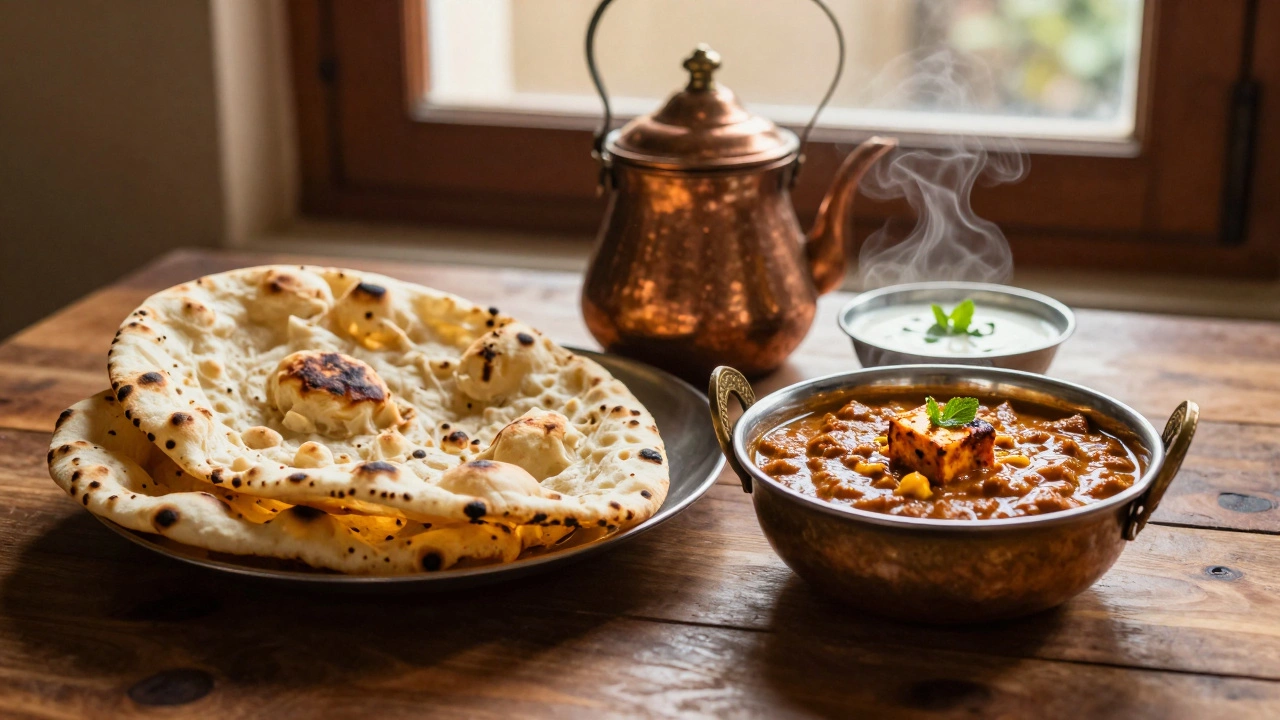
Think about North Indian food, known for its creamy gravies, tandoor-baked breads, and slow-cooked meats. Also known as Punjabi cuisine, it’s what most people picture when they think of Indian restaurants abroad—butter chicken, naan, paneer tikka. But head south, and you’ll find South Indian food, centered on rice, tamarind, lentils, and fermented flavors. Also known as Dravidian cuisine, it’s where dosas sizzle on hot griddles, sambar simmers for hours, and idlis rise with the morning sun. Then there’s street food India, the chaotic, delicious heart of urban life. Also known as chaat culture, it’s where pani puri explodes in your mouth, vada pav feeds Mumbai workers, and jalebis drip with syrup under neon lights.
These aren’t just recipes—they’re cultural anchors. In the northeast, fermented bamboo shoots and smoked meats tell stories of mountain isolation. In Gujarat, sweet and tangy flavors reflect Jain dietary traditions. In Bengal, fish and mustard oil define a coastal identity. Even the way you eat changes: hands in the south, utensils in the north, banana leaves in the east. There’s no single Indian food—only a mosaic of tastes, shaped by land, language, and legacy.
What you’ll find in the posts below isn’t a list of dishes—it’s a guide to where these flavors come from. You’ll see how the same spice behaves differently in Rajasthan versus Kerala. You’ll learn why a simple dal tastes like home in one village and like a feast in another. And you’ll discover how food connects to festivals, seasons, and daily rituals across the country. Whether you’re planning a trip or just hungry for something real, this collection shows you how to eat India the right way—not as a tourist, but as someone who understands that every bite carries a story.