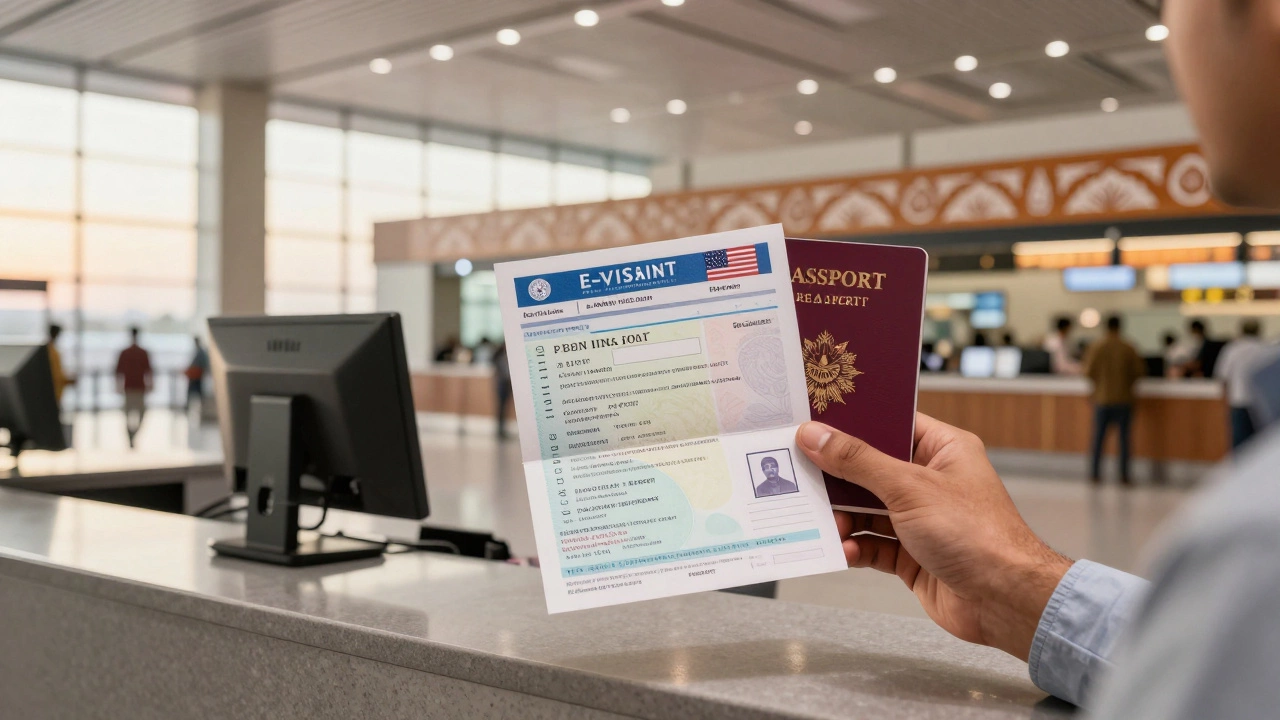
US Citizen India Visa: Requirements, Process, and What You Need to Know
When a US citizen, a person holding a United States passport plans a trip to India, the first real hurdle isn’t packing or booking flights—it’s the India visa, the official permission required for entry into India. Unlike many countries that offer visa-free access or e-visas on arrival, India requires most US travelers to apply in advance. This isn’t bureaucracy for the sake of it—it’s a system designed to manage tourism, security, and entry control. The good news? The process is straightforward if you know the steps.
The most common visa for US citizens is the India tourist visa, a digital visa for short-term visits for leisure, sightseeing, or visiting family. It’s valid for up to 10 years and allows multiple entries, with stays of up to 180 days per visit. You don’t need to visit an embassy. Everything is done online through the Indian government’s e-Visa portal. You’ll need a valid passport (with at least six months left), a digital photo, a scanned copy of your passport’s bio page, and a credit card. The fee is around $100 USD, and processing usually takes 3–5 business days. Many travelers get it within 24 hours if they apply on a weekday.
There are other types too—business visas, medical visas, student visas—but if you’re traveling to see the Taj Mahal, hike in Rishikesh, or relax on Goa’s beaches, the tourist visa covers you. One thing to watch out for: you can’t apply for a tourist visa if you’re entering through certain land borders. You must fly into or out of one of the 28 designated airports or 5 seaports. Also, make sure your visa application matches your passport details exactly. A mismatched name or date of birth can get you turned away at immigration.
India doesn’t issue visas on arrival for US citizens. That means if you show up without one, you won’t get in. No exceptions. Some people try to skip the process because they think it’s too complicated, but the online form is simple. It’s just a few pages, no interviews, no documents to mail. And once approved, you’ll get an email with your e-Visa. Print it out or save it on your phone—both work.
What about passport validity? Make sure it doesn’t expire within six months of your arrival date. That’s not a suggestion—it’s a rule. And while you’re at it, check if your passport has at least two blank pages. Some travelers forget that and get stuck at check-in.
Travelers who’ve been to India before know the biggest mistake isn’t forgetting the visa—it’s waiting until the last minute. Even though processing is fast, delays happen. If your flight is in a week and you haven’t applied, you’re risking your trip. Apply at least two weeks ahead. And don’t rely on third-party websites that charge extra. Use only the official portal: indianvisaonline.gov.in. (No links in final output—this is just for your reference.)
There’s no need to stress. Millions of US citizens visit India every year, and nearly all of them get their visas without issues. The system works if you follow the rules. Once you’ve got it, you’re free to explore the Himalayas, taste street food in Delhi, or meditate in Rishikesh—all without worrying about entry.
Below, you’ll find real traveler stories, safety tips, and guides that connect directly to your visa journey. Whether you’re planning a two-week trip or a year-long adventure, the posts here help you go further—starting with the one thing that lets you even step foot in the country: your India visa.