North India Travel: Your Guide to Culture, Cities, and Monsoon Adventures
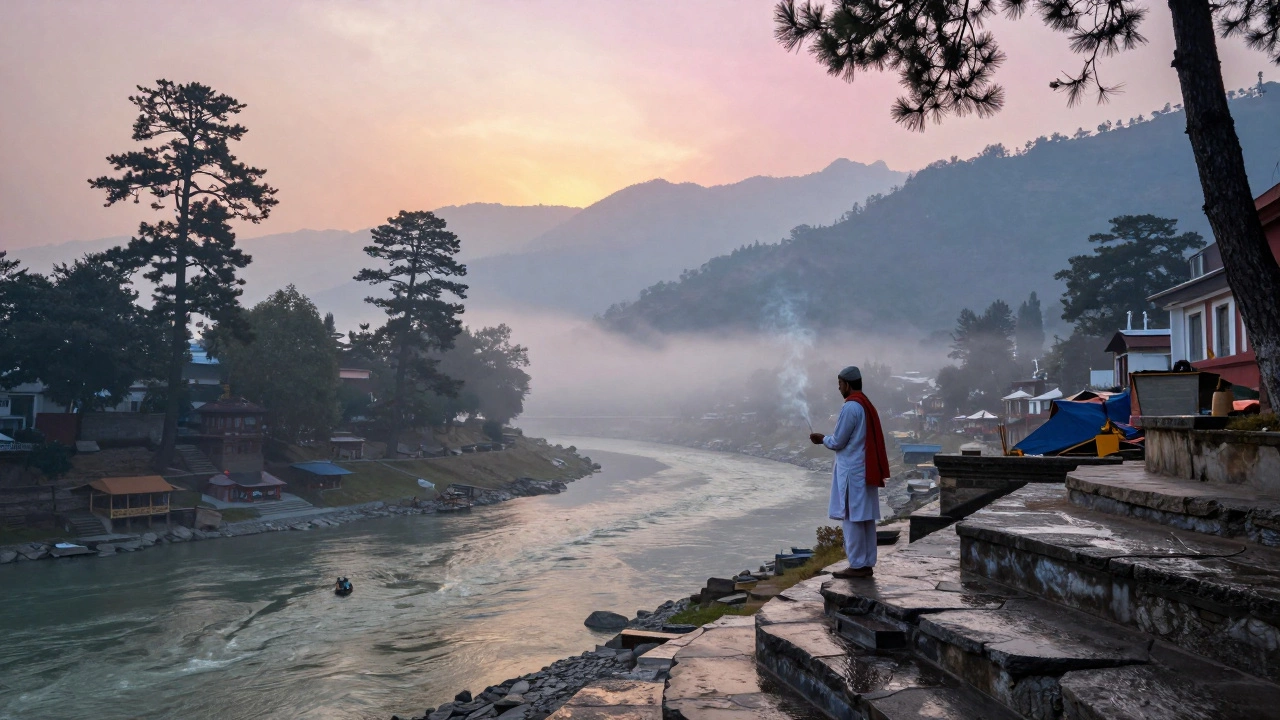
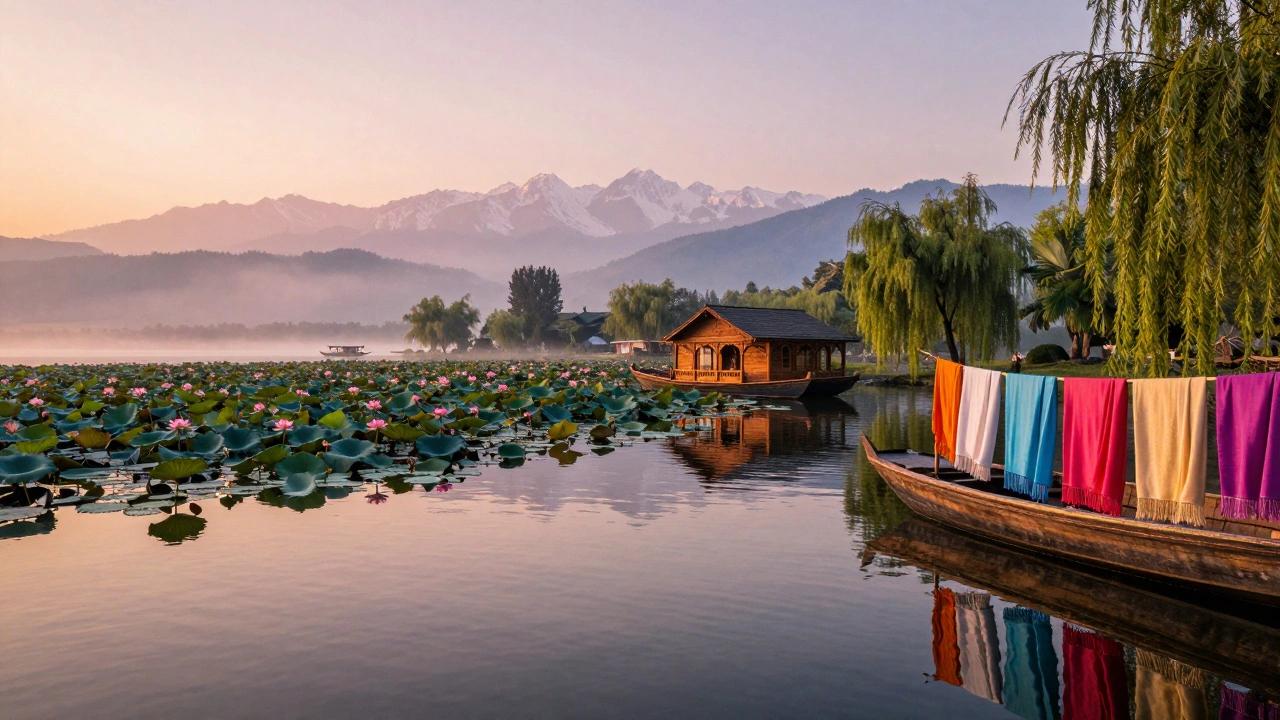
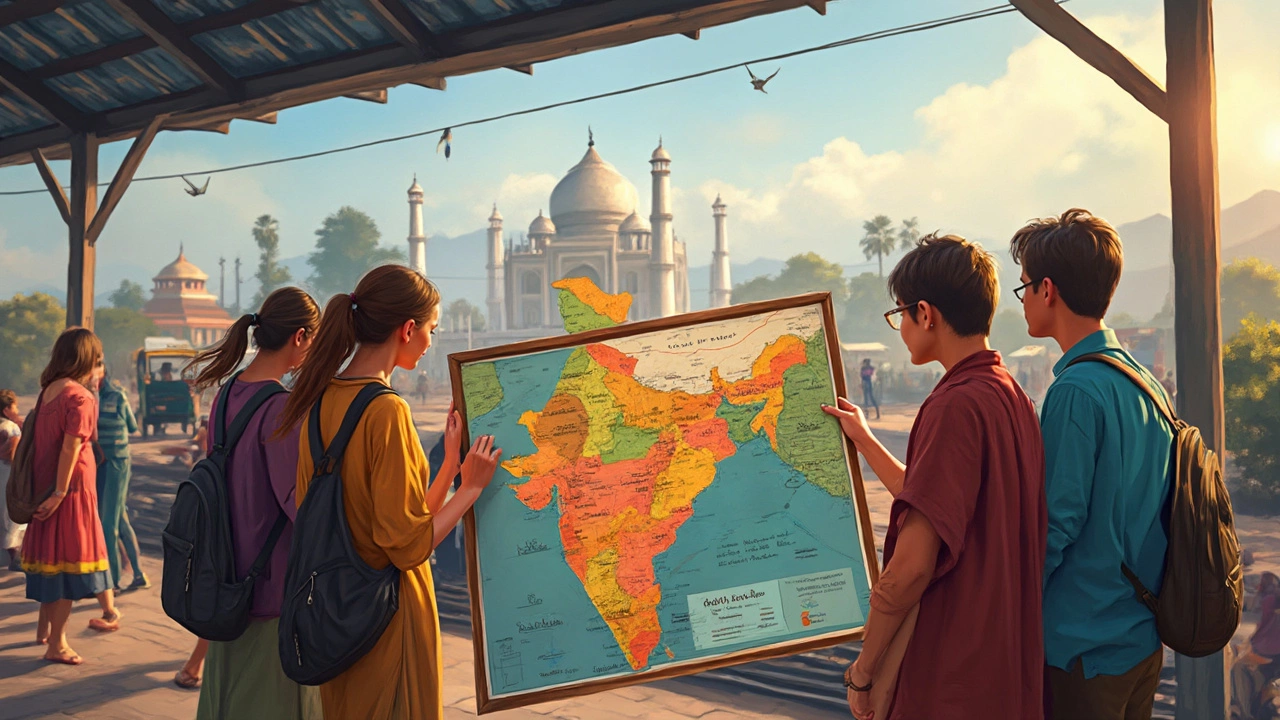
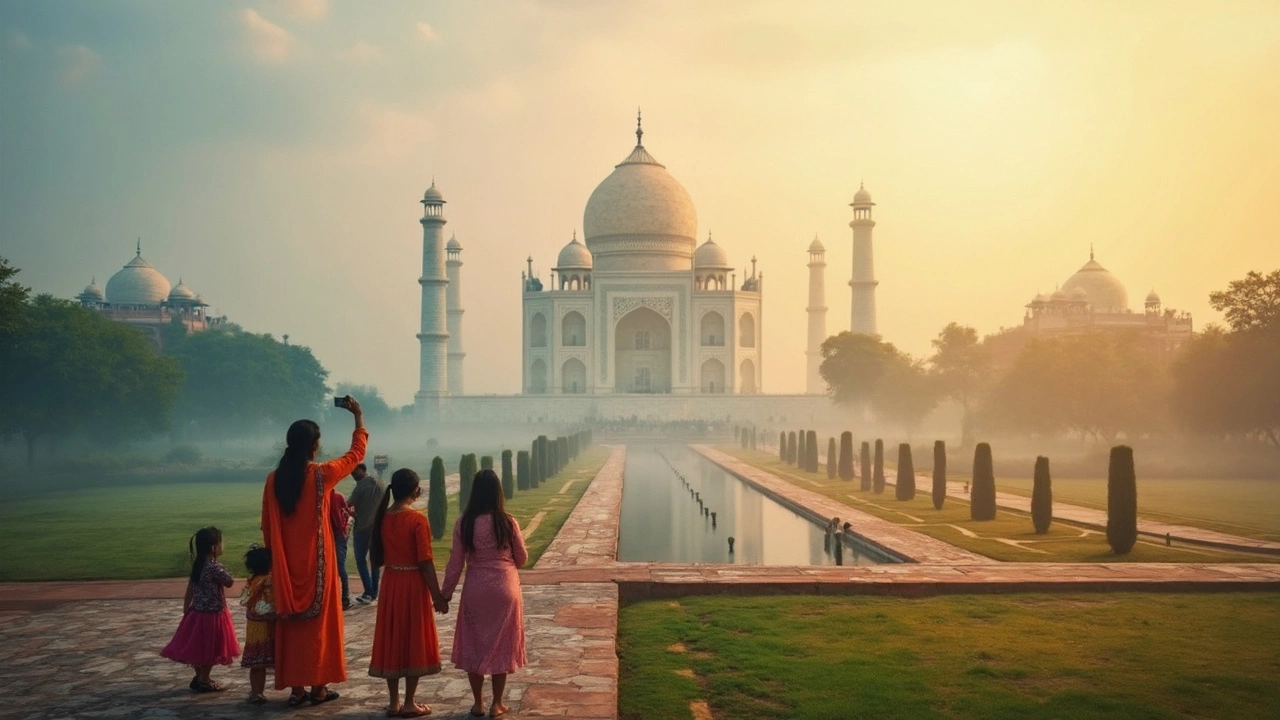
When you think of North India travel, the vibrant mix of ancient monuments, bustling cities, and dramatic landscapes stretching from the Himalayas to the plains. Also known as Northern India, it’s where history feels alive—in the dust of Delhi’s streets, the marble glow of the Taj Mahal at sunrise, and the mist rising over hilltop temples. This region isn’t just one destination. It’s a chain of experiences: the Golden Triangle, the classic loop of Delhi, Agra, and Jaipur that draws millions each year, the quiet chaos of Varanasi’s ghats, the high-altitude trails of Himachal, and the untouched beauty of North East India, a culturally rich but often overlooked region facing unique tourism pressures.
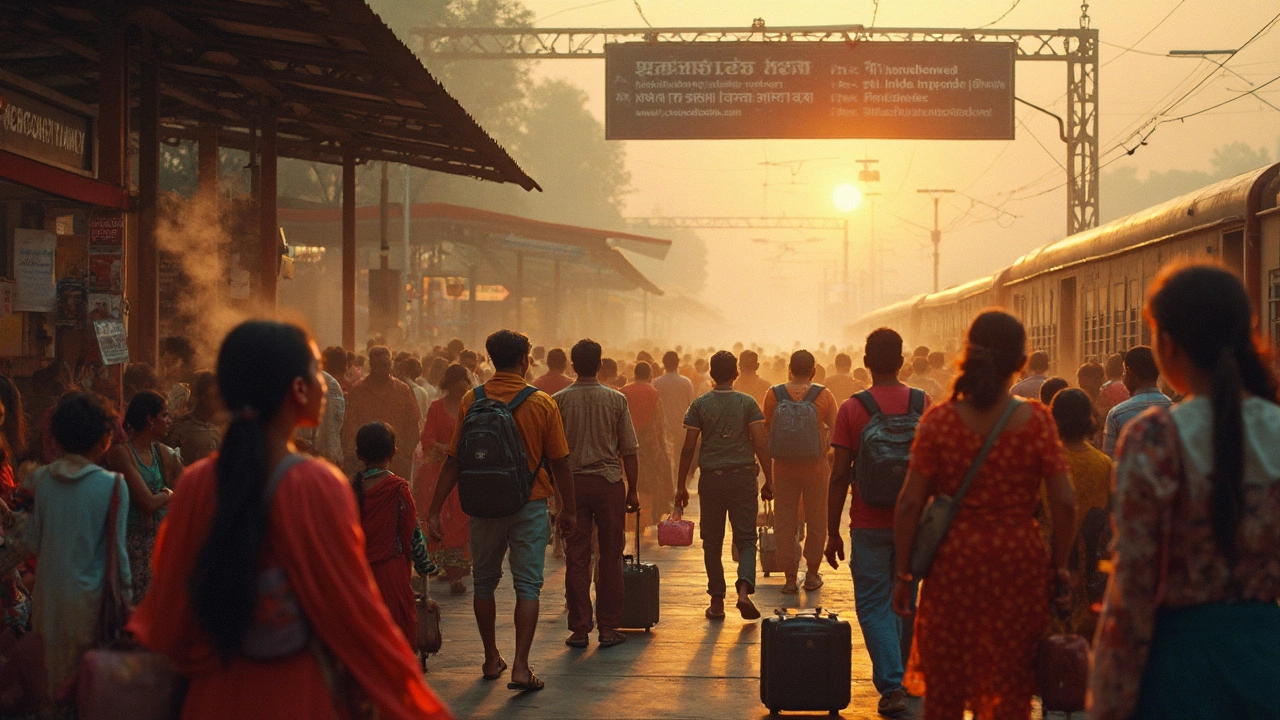
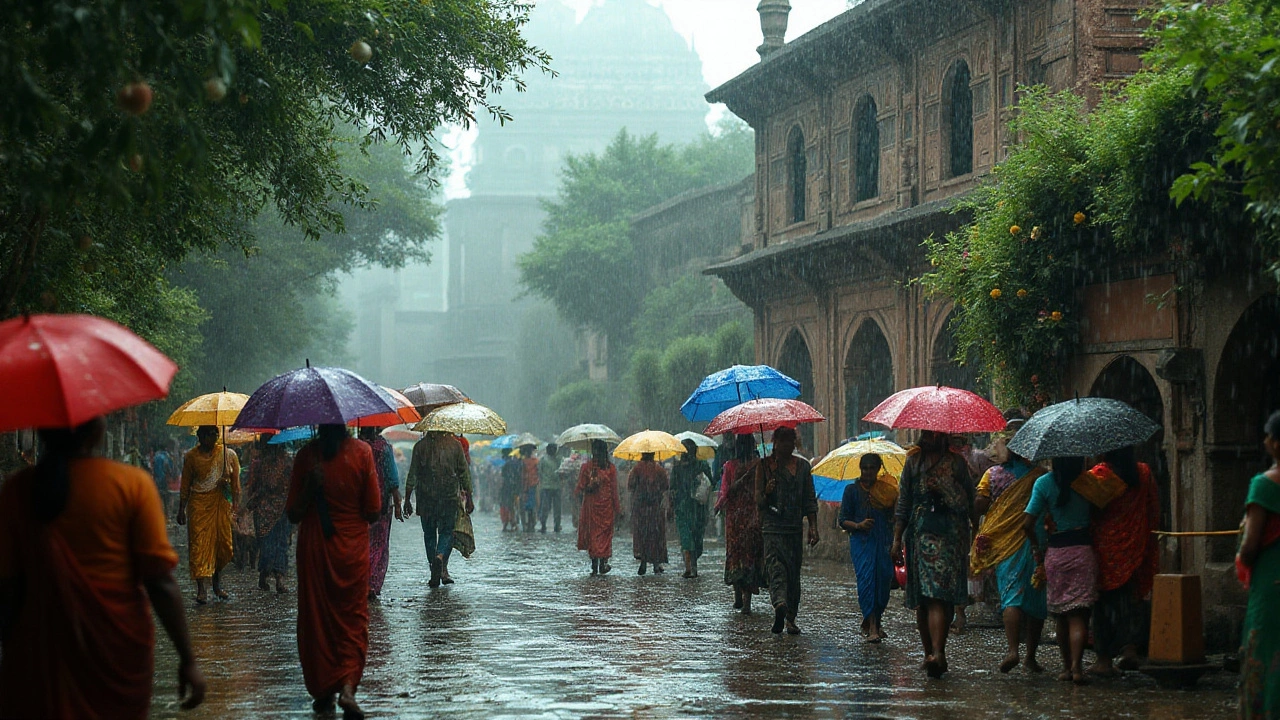
Getting from Delhi to Taj Mahal is one of the most common trips in India, and it’s easier than most assume. You can hop on a train in the morning and be standing in front of the monument by afternoon. But timing matters. The best months to visit aren’t always the ones you hear about on Instagram. Summer is brutal, winter is crowded, and the monsoon? It turns the land green and quiet—perfect if you know how to pack right. The wettest month, August, brings heavy rain but also fewer tourists and blooming gardens. And yes, you’ll see people asking about malaria pills for India, a question that depends on where you go and when. Most travelers to Delhi, Agra, or Jaipur don’t need them. But if you’re heading into rural Uttar Pradesh or the foothills during monsoon season, it’s worth checking with a doctor. This isn’t about fear—it’s about smart choices.
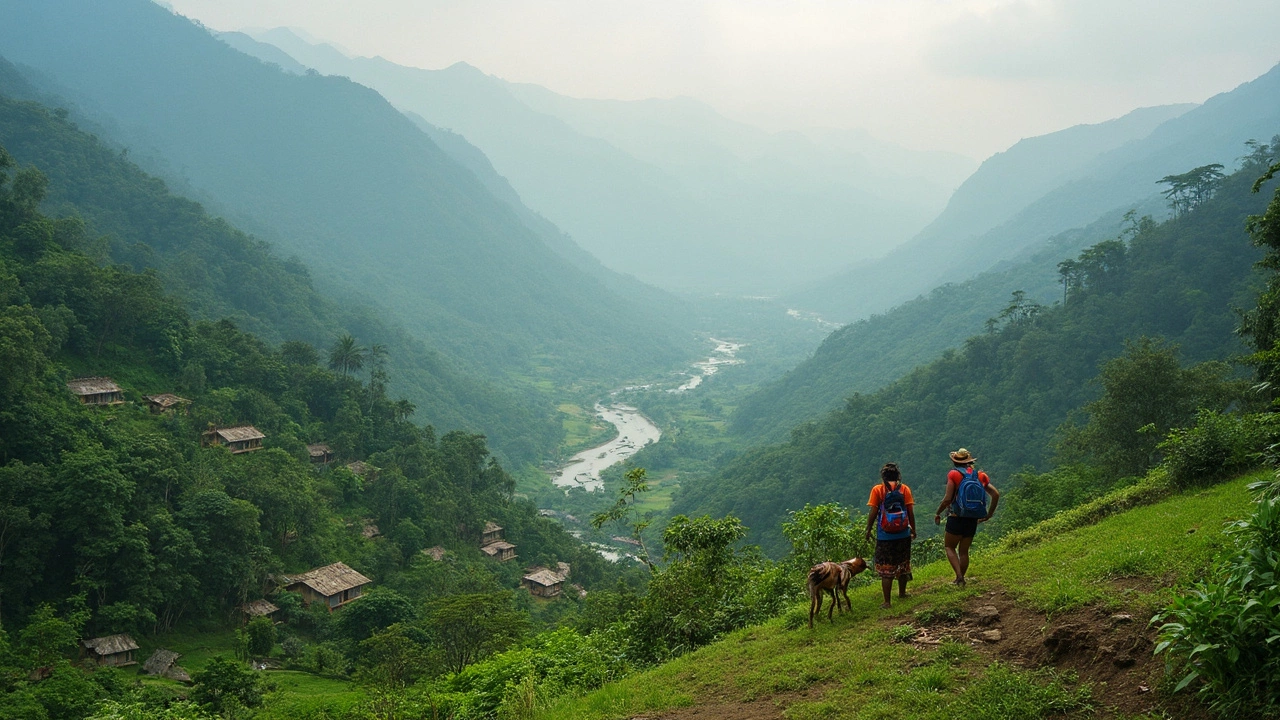
There’s more to North India than postcards. Cities like Chandigarh and Dehradun quietly rank high for quality of life, with clean air, walkable streets, and good healthcare. Meanwhile, tourism in North East India is growing fast—but not without cost. Local communities are struggling to keep traditions alive amid crowds, and fragile ecosystems are under pressure. Being a responsible traveler here means knowing when to step back, which guides to hire, and which souvenirs to avoid. You don’t need to be an expert to make a difference. Just be aware.
Whether you’re chasing the perfect Taj Mahal photo, planning a monsoon hike, or trying to understand why some parts of North India feel like another country, this collection has what you need. No fluff. No guesswork. Just clear, practical advice from people who’ve been there—on trains, in hotels, under monsoon clouds, and at sunrise on the riverbanks. What you’ll find below are real answers to the questions you actually ask before you book your ticket.