North India isn’t just a region-it’s a collage of snow-capped peaks, desert forts, ancient temples, and emerald valleys. But if you’re asking which state is the most beautiful, you’re not looking for a list. You’re looking for a feeling. The kind that hits you when you stand at the edge of a Himalayan cliff at sunrise, or when you walk through a centuries-old haveli in Jaipur painted in hues you didn’t know existed.
Uttarakhand: Where the Mountains Whisper
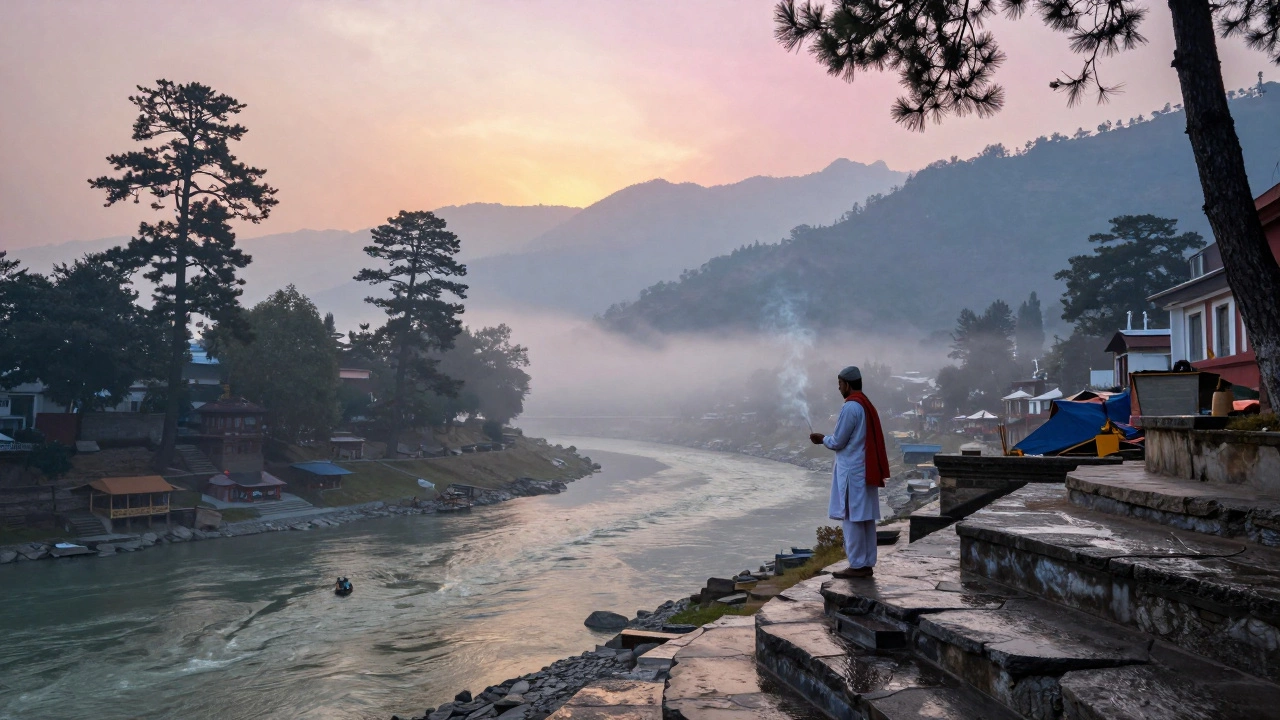
Uttarakhand doesn’t shout. It waits. You find it in the mist clinging to Rishikesh’s ghats, in the silence of Valley of Flowers after a monsoon shower, or in the way the Ganges curls around Haridwar like a silver thread. This isn’t just scenic-it’s sacred. Over 2 million pilgrims visit Kedarnath and Badrinath each year, but the real beauty isn’t in the crowds. It’s in the quiet trails near Auli, where you can ski past rhododendron forests and see the Nanda Devi peak glow pink at dawn. The air here is thin, clean, and smells like pine and prayer. No other state in North India blends spirituality and wilderness this deeply.
Himachal Pradesh: The Land of Endless Horizons
If Uttarakhand is quiet, Himachal Pradesh is alive. It’s the laughter echoing in McLeod Ganj’s Tibetan cafes, the roar of the Beas River near Manali, and the way apple orchards stretch across Kangra like green velvet. Shimla’s colonial charm draws tourists, but the real magic lies in the lesser-known corners-Kasol’s riverside campsites, the hidden monasteries of Spiti Valley, or the snow-laden peaks of Rohtang Pass that change color with the hour. Over 80% of Himachal’s land is mountainous, and nearly 60% is covered in forest. That’s why the air feels different here-crisp, cool, and full of wild herbs. It’s not just a destination. It’s a reset button for your soul.
Rajasthan: Gold, Sand, and Royal Echoes
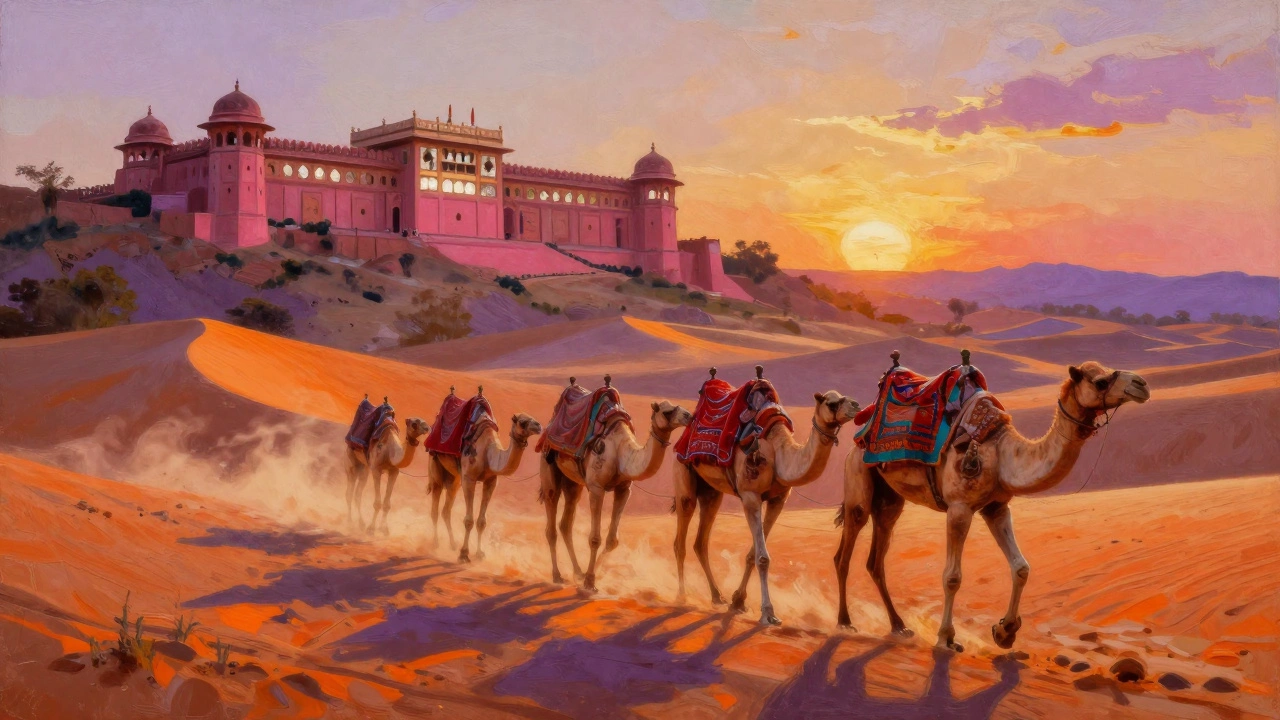
Picture this: a camel caravan moving like a slow wave across the Thar Desert at sunset, the dunes glowing orange and purple. Now turn around-there’s the Amber Fort, carved from pink sandstone, its mirrors catching the last light. Rajasthan doesn’t hide its beauty. It flaunts it. Jaipur’s City Palace, Udaipur’s Lake Pichola, Jaisalmer’s golden havelis-they’re not just postcards. They’re living history. The state holds over 3,000 forts and palaces, more than any other in India. But beauty here isn’t just architecture. It’s the folk songs drifting from desert camps, the intricate mirror work on Rajasthani skirts, the smell of ghee and saffron in a village kitchen. It’s bold, loud, and unforgettable.
Uttar Pradesh: The Soul of India
People think of Uttar Pradesh as just Varanasi and Agra. But that’s like calling the Pacific Ocean just a beach. Yes, the Ganges flows through Varanasi like a sacred river of life and death. Yes, the Taj Mahal glows white under moonlight, a monument so perfect it feels unreal. But go deeper. Visit Khajuraho’s temples, where 800-year-old stone carvings tell stories of love, devotion, and joy. Walk through the alleys of Sarnath, where Buddha gave his first sermon. The state holds more UNESCO World Heritage Sites than any other in India-seven. Its beauty isn’t in the postcard view. It’s in the rhythm of daily rituals, the chants at dawn, the way a farmer in Allahabad still offers flowers to the river. This is India’s spiritual core.
Punjab: Green Fields and Golden Hearts
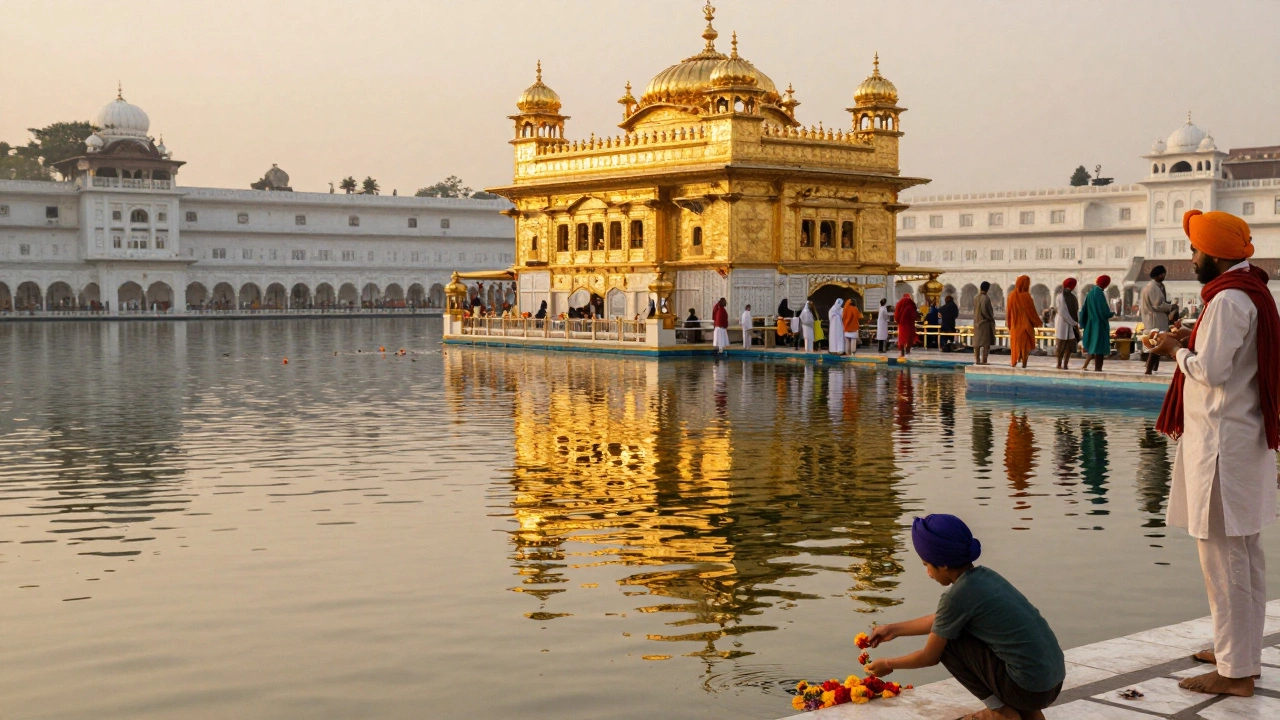
Punjab is often overlooked in beauty contests. But look closer. The Golden Temple in Amritsar isn’t just a gilded shrine-it’s a living heartbeat. Thousands gather here every day, not to sightsee, but to eat, pray, and serve. The langar serves 100,000 free meals daily. That’s more than the population of many small countries. Beyond the temple, Punjab’s landscape is a patchwork of wheat fields, sugarcane farms, and canal-lined villages. The colors are bright-turquoise turbans, red chunris, yellow mustard blooms in winter. It’s not a quiet beauty. It’s a celebration. The music, the food, the warmth-it all pulses with energy. This is beauty that feeds you, body and soul.
The Real Answer? It Depends on What You’re Looking For
There’s no single answer to which state is the most beautiful. That’s the point. If you want peace, go to Uttarakhand. If you want adventure, Himachal Pradesh will challenge you. If you want grandeur, Rajasthan will leave you speechless. If you want soul, Uttar Pradesh will change you. If you want joy, Punjab will make you smile.
Most travelers pick one. But the real beauty of North India is that you don’t have to choose. You can start in Delhi, take a train to Agra, hop to Jaipur, then fly to Rishikesh, hike to Kedarnath, and end in Amritsar-all in two weeks. Each state holds a different kind of magic. And the longer you stay, the more layers you uncover.
Beauty here isn’t about rankings. It’s about resonance. The state that feels like home to you-that’s the most beautiful one.
Is Uttarakhand safer than Himachal Pradesh for solo travelers?
Both states are very safe for solo travelers, with low crime rates and strong community support. Uttarakhand’s remote areas like Valley of Flowers require guided treks due to weather and terrain, while Himachal’s popular spots like McLeod Ganj are well-trodden and tourist-friendly. In both, locals are helpful and English is widely spoken in tourist zones. Always check local weather advisories before trekking, especially in monsoon season.
What’s the best time to visit Rajasthan for photography?
October to March is ideal. The weather is cool, skies are clear, and the light is golden-perfect for capturing forts, desert dunes, and vibrant markets. Avoid summer (April-June) when heat haze distorts photos and colors fade. Early mornings and late afternoons offer the best lighting, especially at Jaisalmer Fort and the sand dunes near Bikaner.
Can I visit all five states in one trip?
Yes, and many travelers do. A 10-14 day itinerary works well: start in Delhi, spend 2 days in Agra (Taj Mahal), 2 in Jaipur (Rajasthan), fly to Dehradun (2 days in Uttarakhand), then take a train to Amritsar (2 days in Punjab). Himachal can be added if you have extra time-fly from Delhi to Shimla or Manali. Trains and domestic flights connect these cities efficiently. Just pace yourself-each state deserves at least 2-3 days to feel its rhythm.
Which state has the best food in North India?
Punjab leads in bold, hearty flavors-butter chicken, makki di roti, sarson ka saag. Rajasthan offers rich, spice-heavy dishes like dal baati churma and laal maas. Uttar Pradesh gives you Mughlai classics like kebabs and biryani, especially in Lucknow. Himachal has simple, wholesome meals like siddu and chha gosht. Uttarakhand’s kafuli and bhaang ki chutney are unique but lesser known. If you want variety, try all five. Each has its own culinary identity.
Are there hidden gems in North India most tourists miss?
Definitely. In Uttarakhand, try Kausani-called "Little Switzerland"-for panoramic Himalayan views without the crowds. In Himachal, visit Tirthan Valley for trout fishing and untouched trails. In Rajasthan, explore Bikaner’s Karni Mata Temple (the rat temple) or the abandoned city of Mandawa. In Uttar Pradesh, visit Sarnath’s Dhamek Stupa, where Buddha taught his first sermon. In Punjab, visit the village of Chhamb near Pathankot for authentic Punjabi homestays and folk music nights. These places don’t appear on most itineraries, but they hold the truest spirit of North India.
What to Pack for North India’s Diverse Beauty
Don’t pack for one state. Pack for many. Layers are key. Bring a light jacket for chilly mornings in the hills, a scarf for temple visits (shoulders and knees must be covered), and sturdy walking shoes-you’ll be on uneven stone paths, sand dunes, and mountain trails. Sunscreen and lip balm are non-negotiable-the UV index is high even in winter. Carry a reusable water bottle; filtered water is widely available. And don’t forget a power bank-your camera will be working overtime.
Final Thought: Beauty Is Personal
The most beautiful state isn’t the one with the most likes on Instagram. It’s the one that stays with you after you leave. Maybe it’s the silence of a Himalayan morning. Maybe it’s the sound of a temple bell echoing over a desert wind. Maybe it’s the smell of fresh chapati from a roadside stall in Amritsar. You won’t find it by comparing rankings. You’ll find it by showing up-with curiosity, respect, and an open heart.