Cultural Tourism India: Explore Heritage, Festivals, and Local Traditions
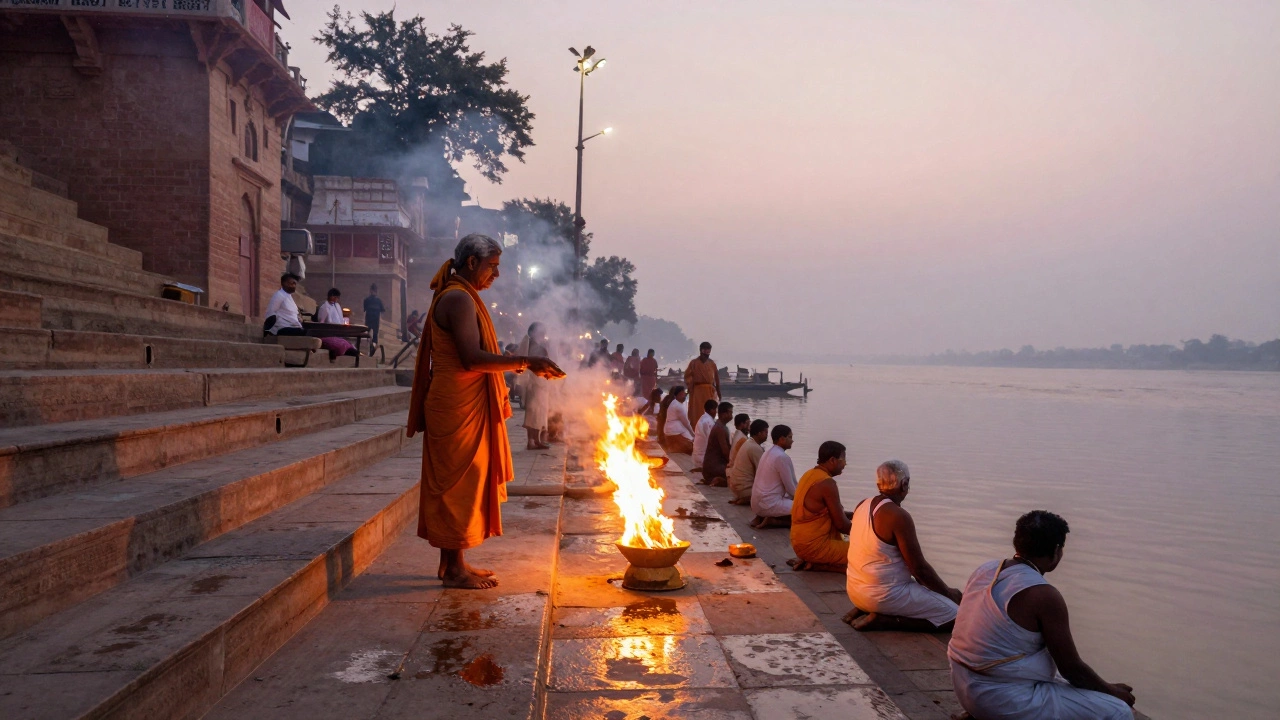
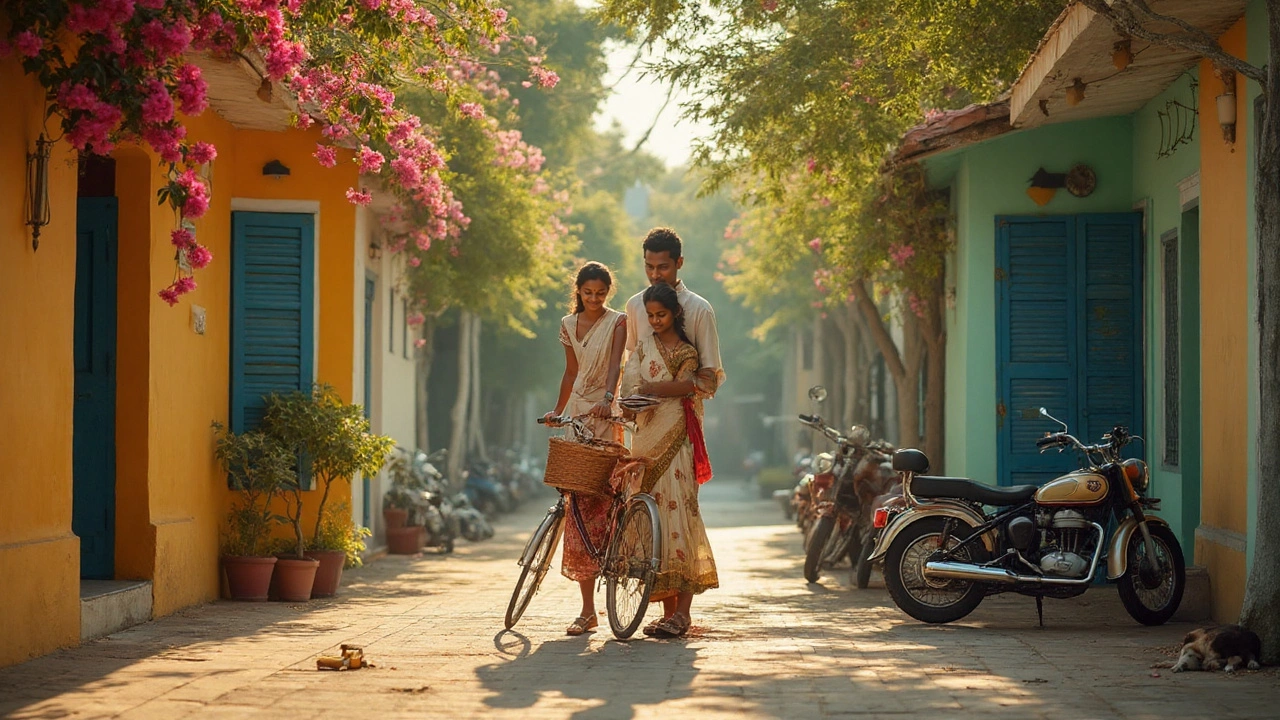
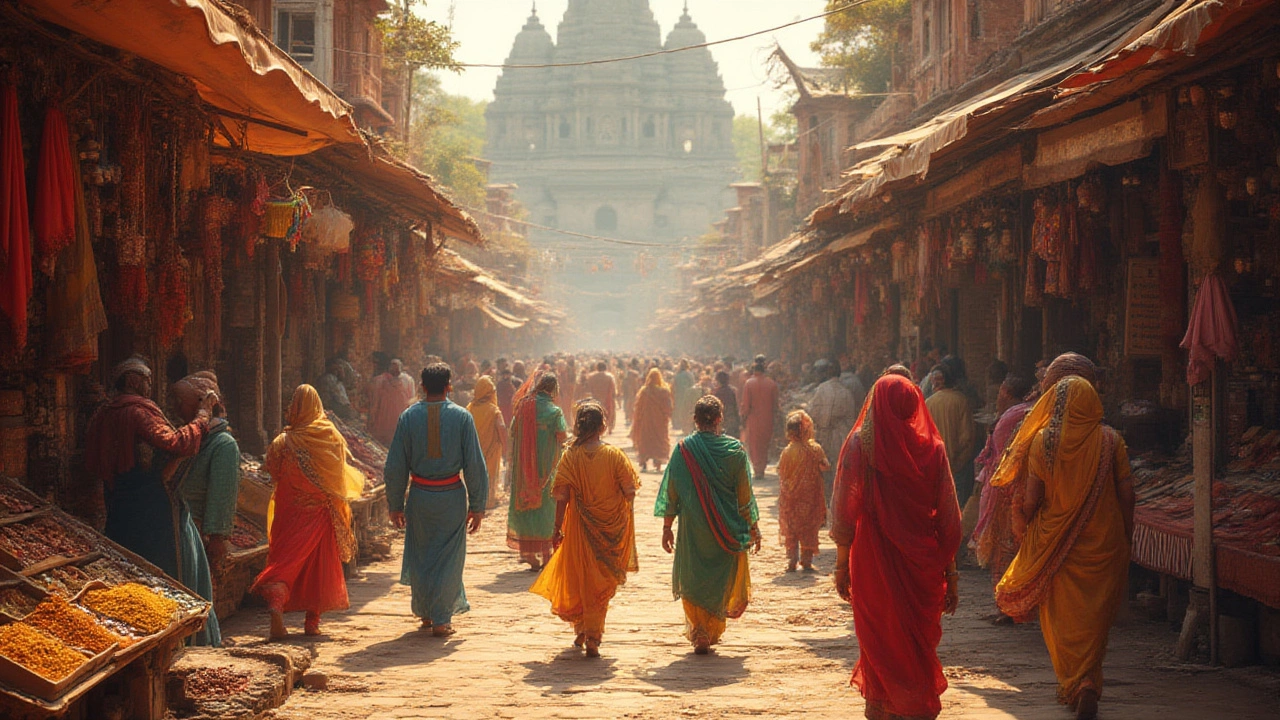
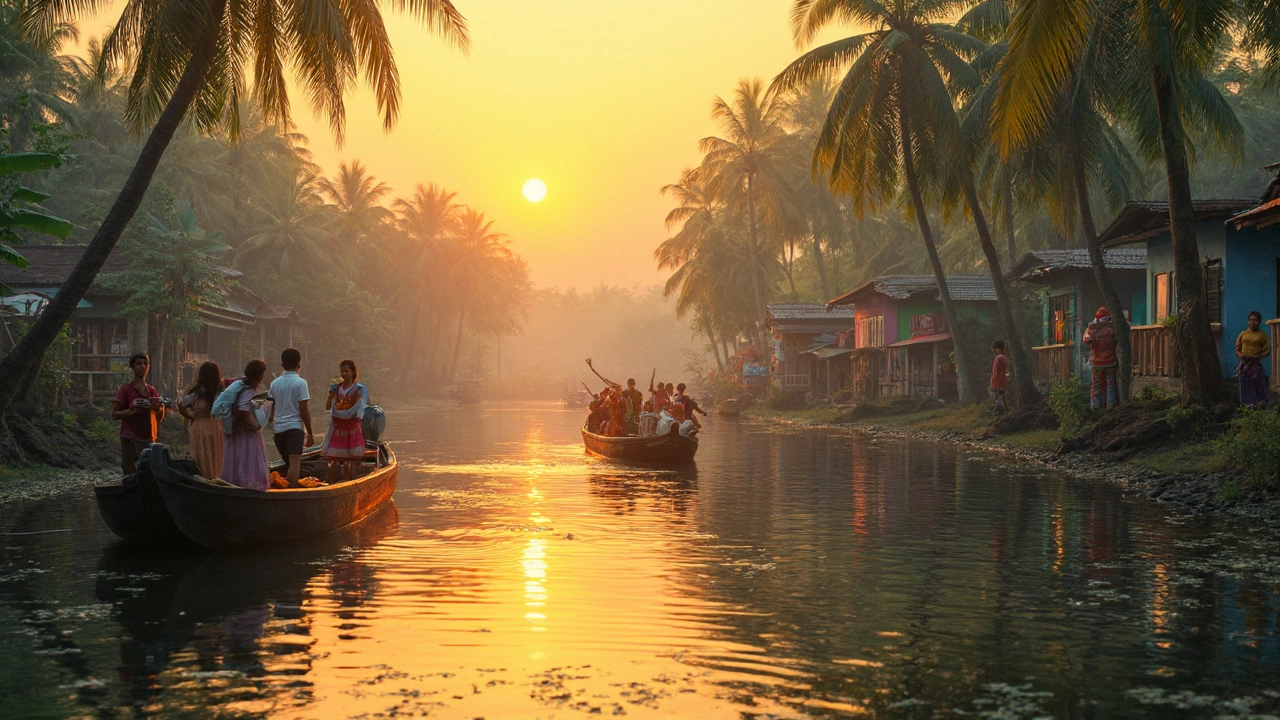
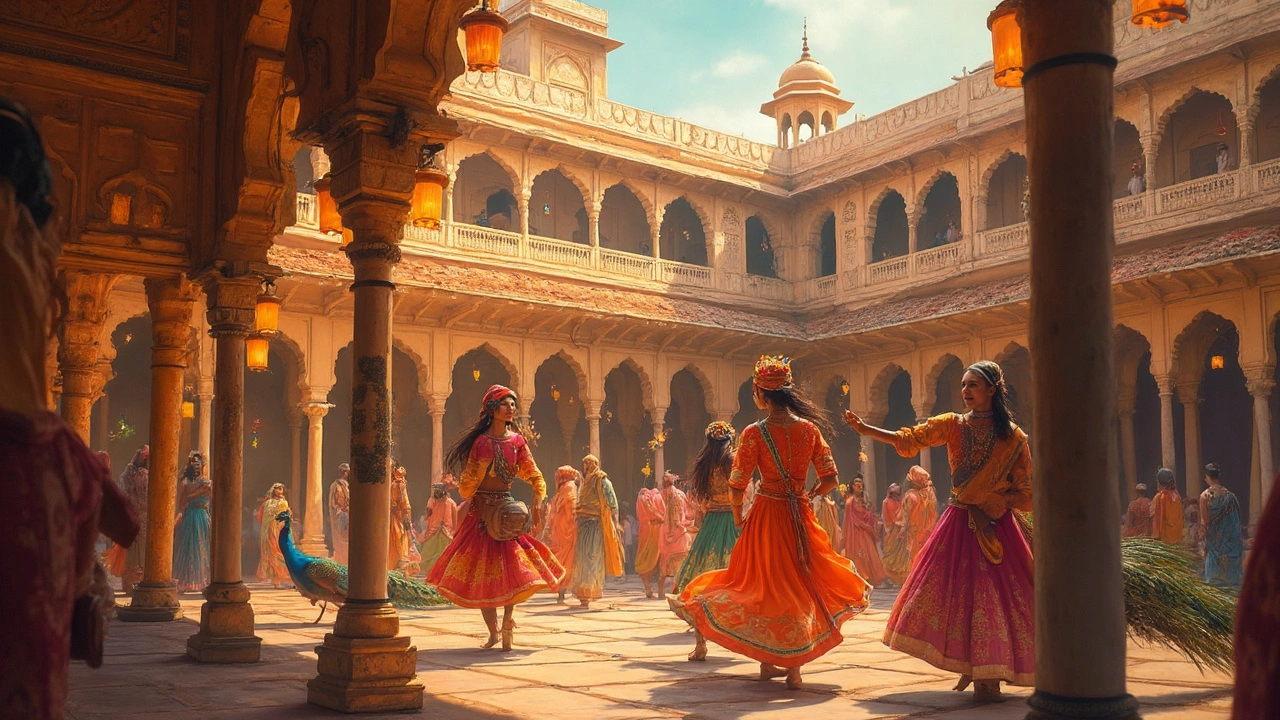
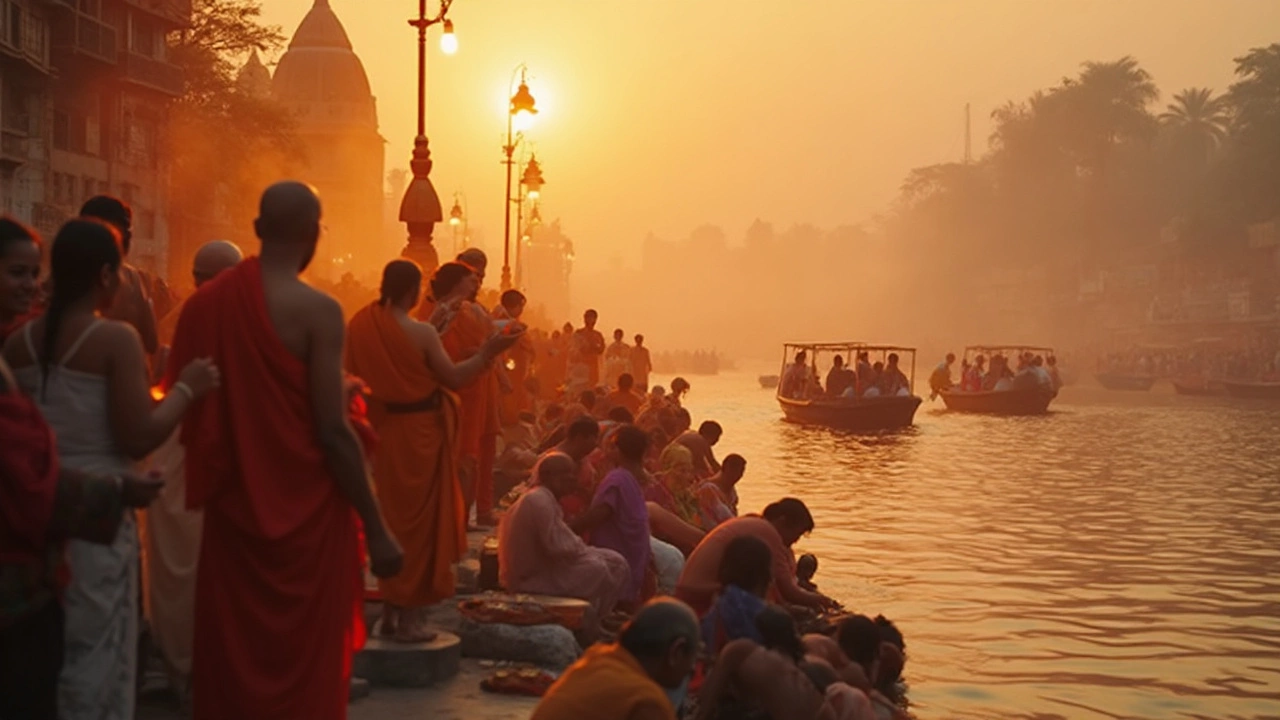
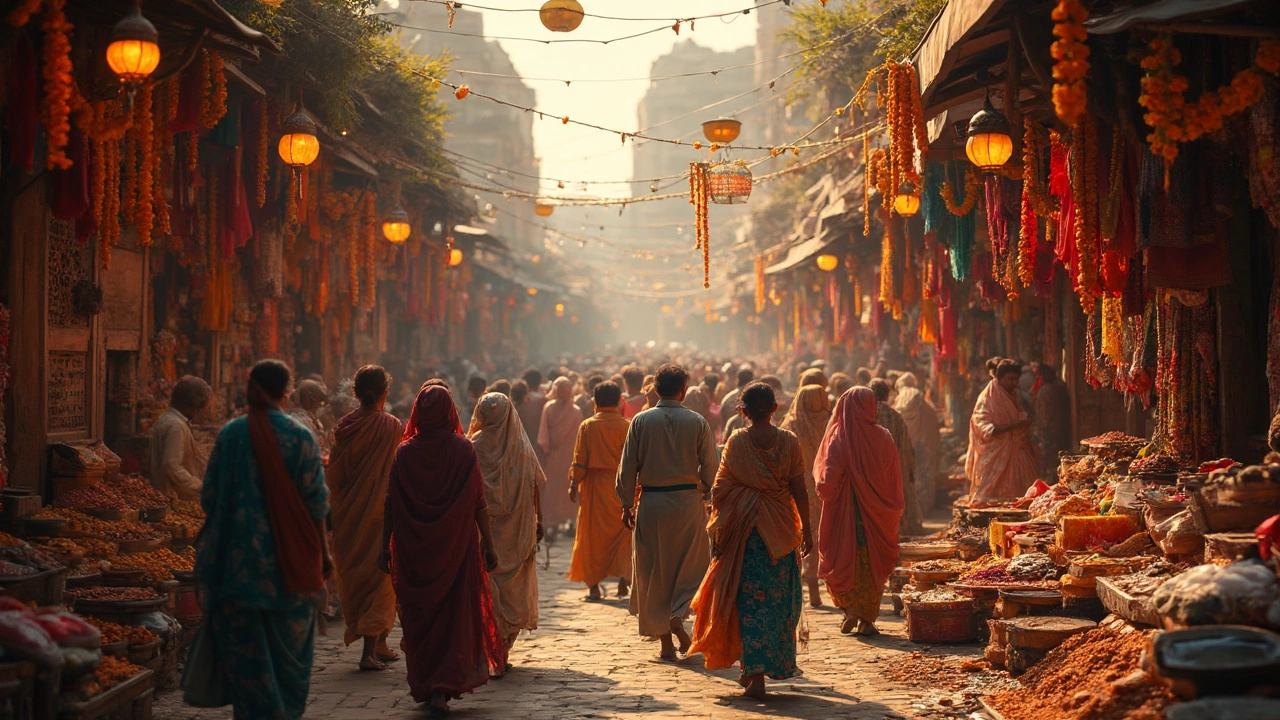
When you think of cultural tourism in India, travel that focuses on experiencing living traditions, arts, rituals, and daily life. Also known as heritage tourism, it’s not just about visiting monuments—it’s about sitting in a temple courtyard as bells ring, tasting street food passed down for generations, or watching a folk dance that hasn’t changed in 200 years. This isn’t a checklist tour. It’s about connection. India’s culture isn’t locked in museums. It breathes in the markets of Jaipur, hums in the chants of Varanasi, and dances in the backwaters of Kerala.
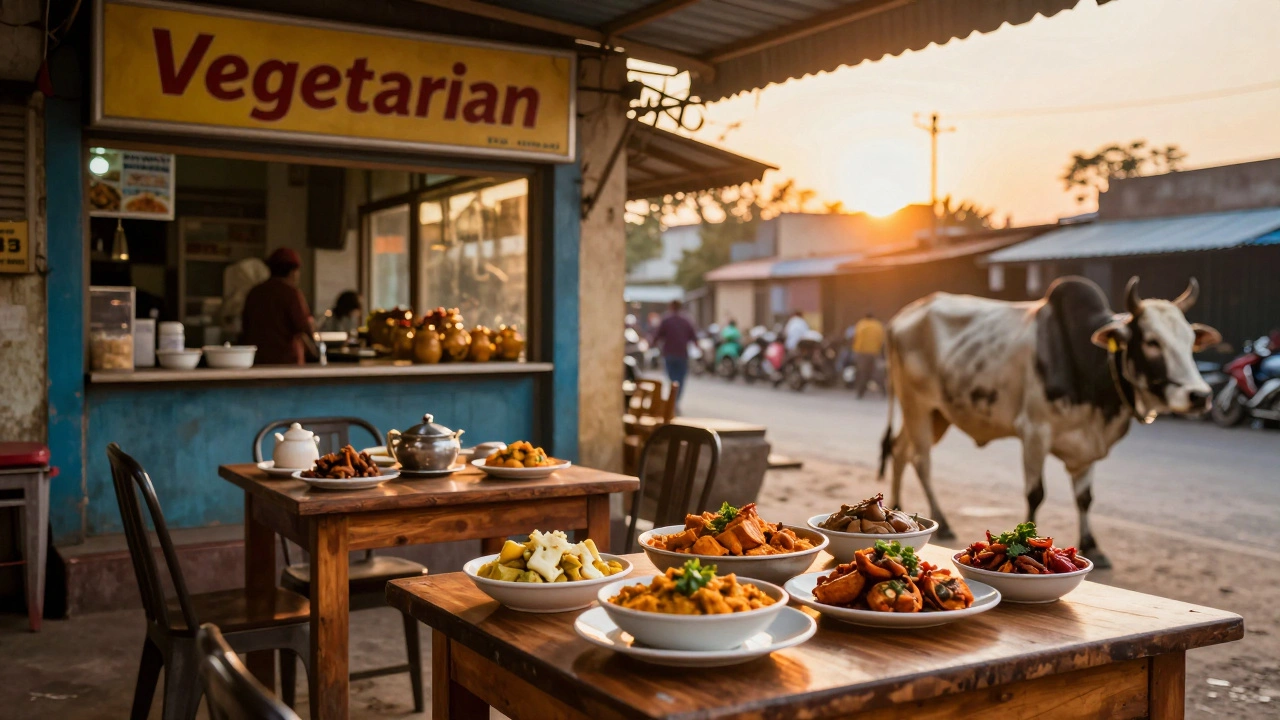
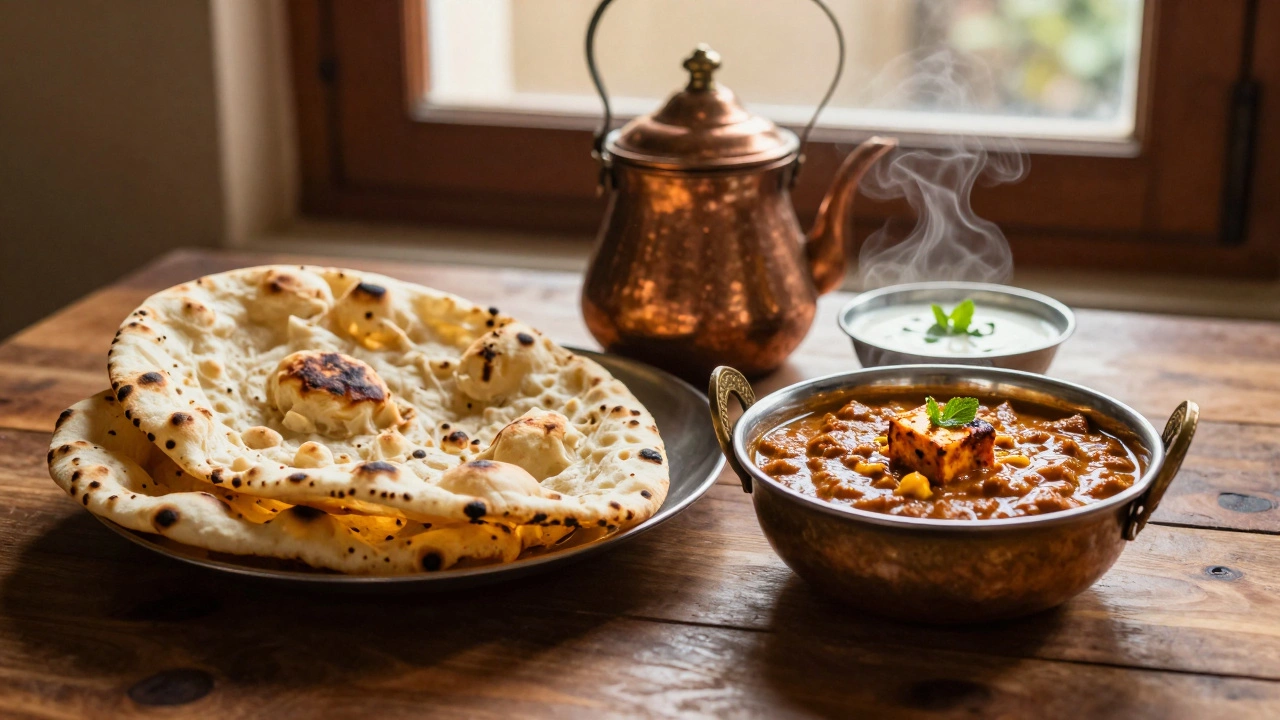
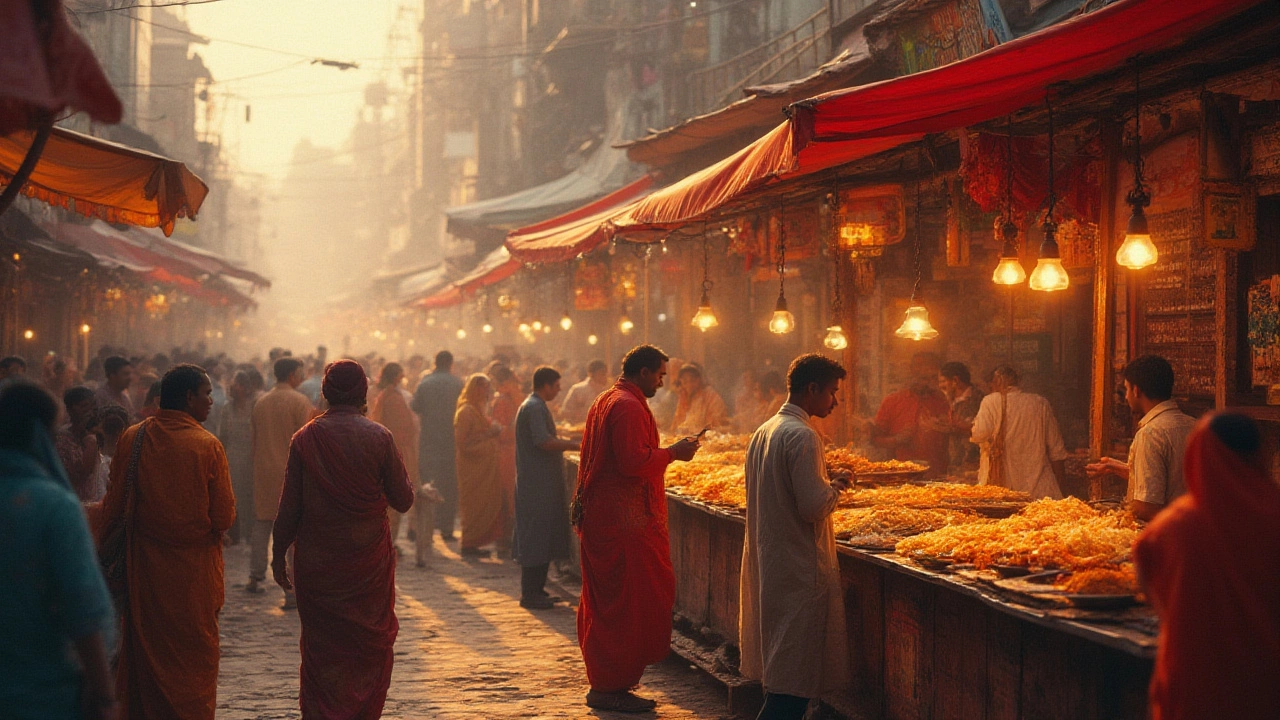
What makes this kind of travel so powerful? It’s the mix of Indian festivals, colorful, loud, spiritual events that turn entire cities into stages. Also known as religious and seasonal celebrations, they include Diwali’s fireworks lighting up skies, Holi’s powdered colors turning streets into rainbows, and Onam’s boat races in Kerala. Then there’s Indian traditions, the quiet, daily rituals that shape life—from morning prayers in Tamil Nadu to tea served with spices in Rajasthan. These aren’t performances for tourists. They’re how people live. And then there’s Indian cuisine, the most personal form of cultural expression. There’s no national dish, but there’s a thousand local ones. Khichdi in the north, fish curry in Bengal, sadya in Kerala—each tells a story of land, climate, and family.
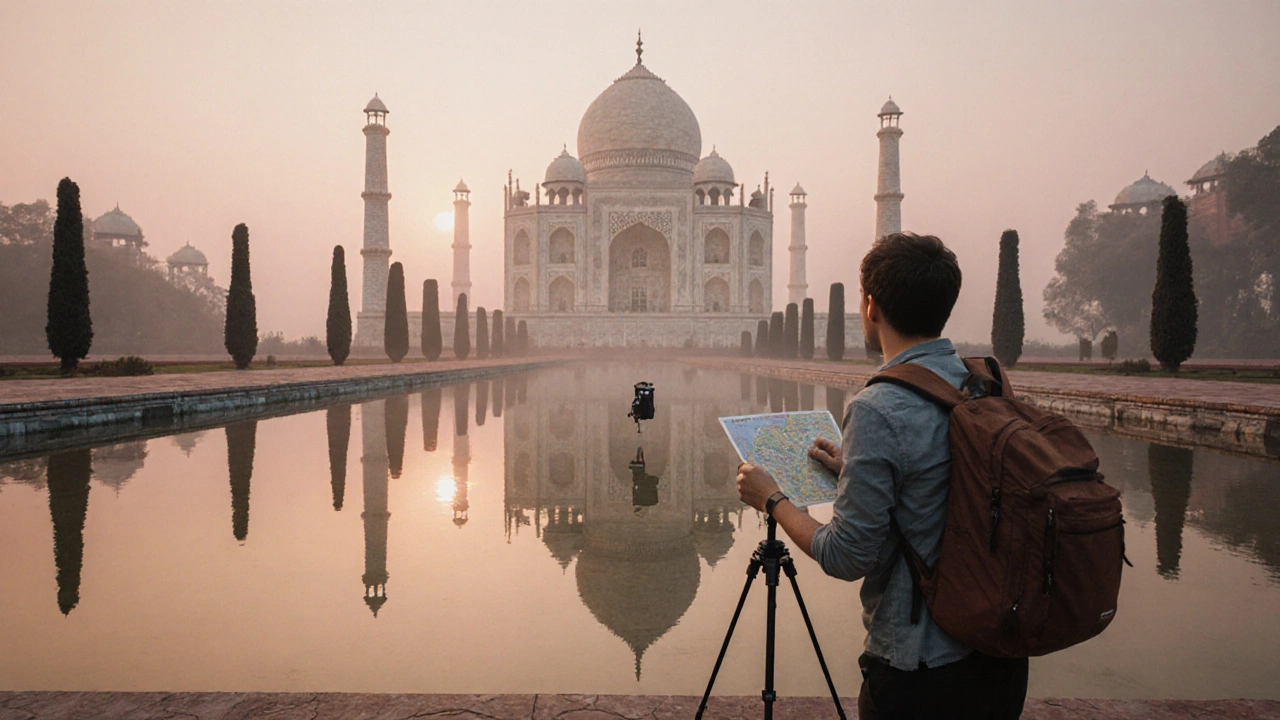
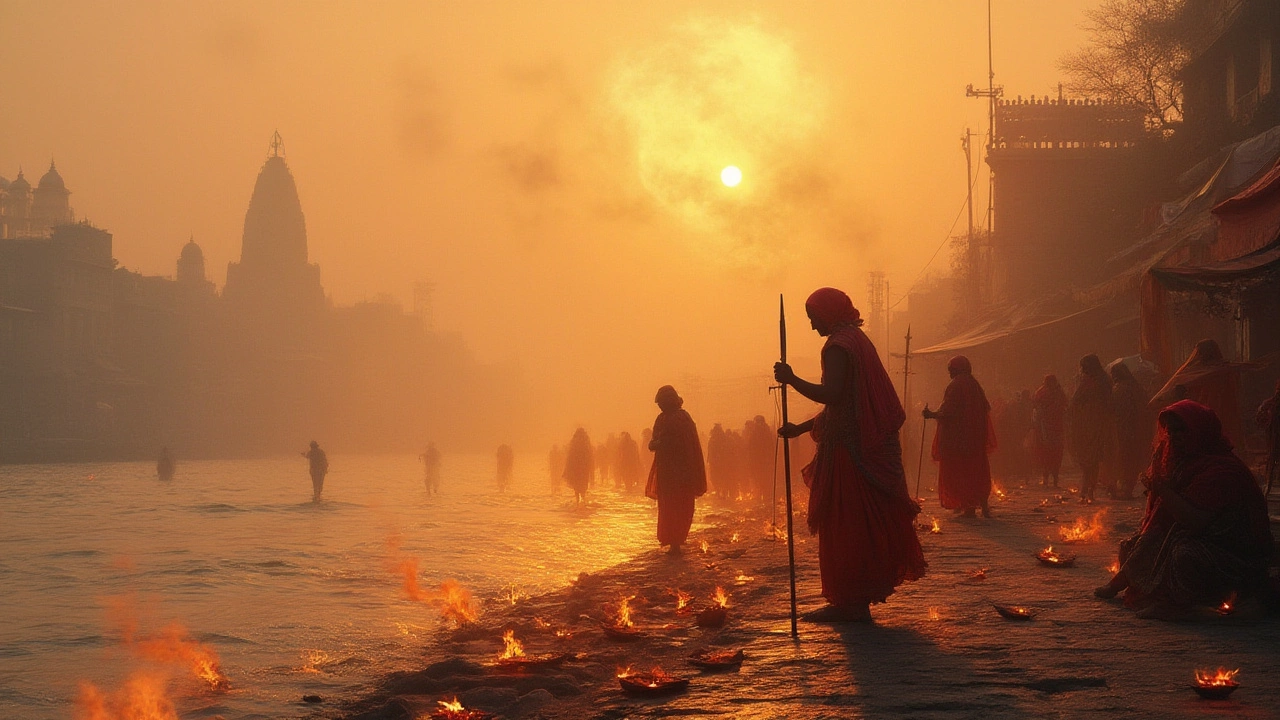
You won’t find cultural tourism in India on a bus tour. It’s in the hands of a weaver in Banaras, the voice of a temple priest in Puducherry, the laughter around a family meal in a village in Maharashtra. It’s why foreigners return again and again—not for the Taj Mahal alone, but for the smell of incense after sunset, the rhythm of a dholak at a wedding, the taste of freshly made dosa on a rainy morning. The posts below pull back the curtain on these moments. You’ll find out why Varanasi pulls travelers from every corner of the world, how Kerala’s culture stands apart with its literacy and backwaters, and which city truly deserves the title of "Europe of India." You’ll learn what kind of cultural tourist you are—heritage seeker or creative explorer—and which foods are truly eaten by millions every day. This isn’t a guide to seeing India. It’s a guide to feeling it.