Mini Vacation Planner
Where are you starting from?
Your Mini Vacation Results
Why This Counts as a True Mini Vacation
Your getaway should be: Under 3 hours travel time No Wi-Fi Zero must-do activities
Most people think vacations mean two weeks in Bali or a month in Europe. But what if you could reset your mind, recharge your body, and come back feeling like a new person-without taking time off work? That’s the power of a mini vacation. It’s not a luxury. It’s a necessity.
What Exactly Is a Mini Vacation?
A mini vacation is a short trip, usually lasting one to four days, designed to give you real rest-not just a change of scenery. It’s not a business trip with extra sightseeing. It’s not a day trip to the mall. It’s a deliberate break from your normal routine, where you disconnect from work emails, stop checking Slack, and give yourself permission to do nothing-or do something completely different.
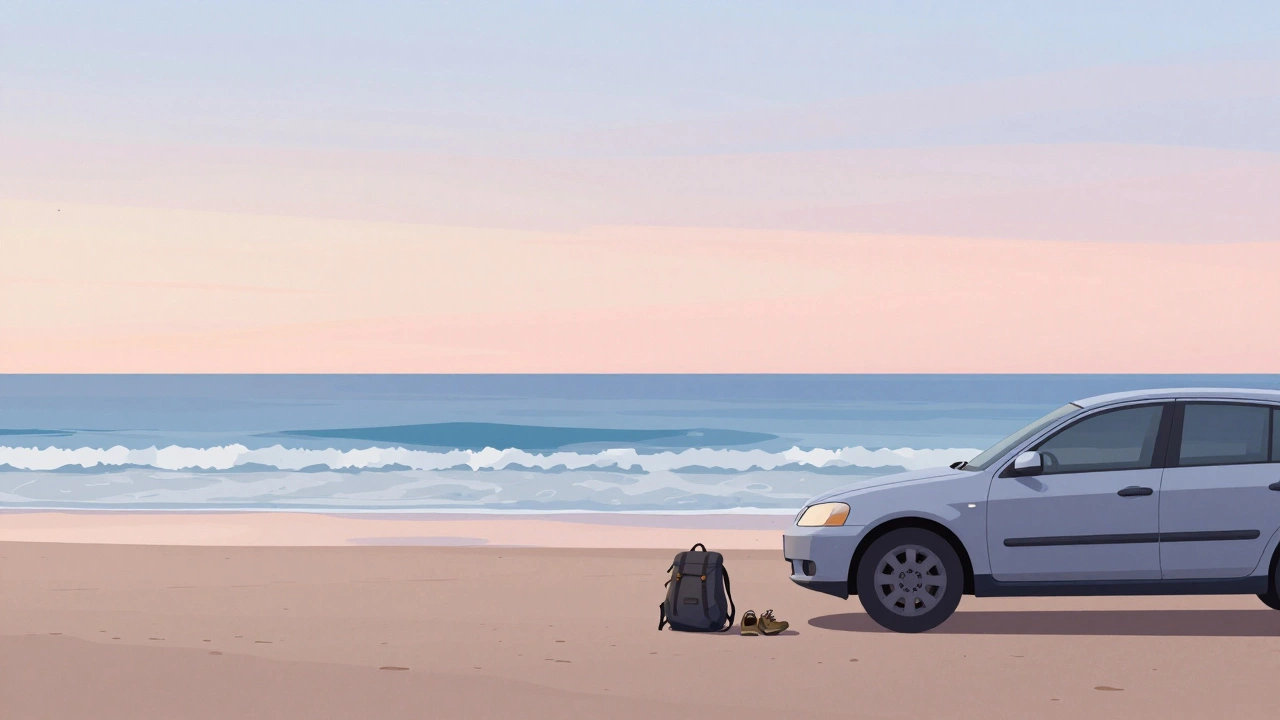
In Australia, where long hauls to the coast or mountains can eat up half your weekend, a true mini vacation means picking a spot you can reach in under three hours. For people in Brisbane, that could be the Sunshine Coast, Tamborine Mountain, or even the Gold Coast hinterland. No flights. No packing for a week. Just a car, a backpack, and a mindset shift.
Why Mini Vacations Work Better Than Long Ones
Studies show that the biggest boost in happiness from a vacation happens in the first three days. After that, the returns drop off. That’s why a five-day trip doesn’t make you twice as happy as a two-day one. A mini vacation gives you the peak benefit without the cost-of time, money, or stress.
Think about it: a long vacation means planning, booking, packing, dealing with jet lag, and then spending the first few days just settling in. By the time you’re relaxed, it’s time to pack up again. A mini vacation skips all that. You leave Friday night, wake up Saturday morning in a quiet cabin or by the beach, and return Sunday evening feeling refreshed-not drained.
People who take regular mini vacations report better sleep, lower stress levels, and even improved focus at work. It’s not magic. It’s science. Your brain needs downtime. Mini vacations give it exactly what it needs: a reset button.
How to Plan a Real Mini Vacation (Not Just a Day Out)
Not every weekend trip counts. If you’re still answering work calls, scrolling through Instagram, or stressing about chores you left behind-you’re not on vacation. Here’s how to make it real:
- Choose a destination you don’t normally visit. If you always go to the same beach, pick a new town. If you’ve never been to the mountains, try it. Novelty sparks joy.
- Book accommodation with no Wi-Fi-or turn it off. Hotels with poolside lounges, cabins with fireplaces, or hostels with shared kitchens work best. Avoid chain hotels that feel like your office.
- Plan zero must-do activities. No museums. No guided tours. Just walk. Sit. Read. Swim. Nap. Let the day unfold.
- Set boundaries. Tell your team you’re offline Friday 6 PM to Sunday 8 PM. Silence notifications. If you absolutely must check email, do it once-on Sunday morning-and only if it’s urgent.
- Leave your gym clothes at home. Yes, really. If you’re going to relax, don’t turn your break into a productivity hack. No fitness trackers. No step goals. Just being.
Where to Go for a Mini Vacation in Australia (2025 Edition)
You don’t need to fly far. Some of the best mini vacations are right on your doorstep. Here are a few top picks across Australia:
- Queensland: Noosa Heads (beachside calm), Fraser Island (wilderness escape), or the Granite Belt (wine and cool weather).
- New South Wales: Byron Bay (surf and yoga), the Blue Mountains (hiking and waterfalls), or Port Stephens (kayaking and dolphin watching).
- Victoria: The Great Ocean Road (short drive, epic views), Phillip Island (penguins and seals), or the Yarra Valley (food, wine, silence).
- Western Australia: Margaret River (surf and wineries), Rottnest Island (bikes and quokkas), or the Pinnacles (otherworldly landscapes).
- South Australia: Kangaroo Island (wildlife), the Barossa Valley (food and wine), or the Adelaide Hills (cozy cottages).
Pro tip: Book early. Mini vacations are popular. The best cabins, beach houses, and boutique B&Bs get snapped up weeks in advance-especially on long weekends.
What to Pack for a Mini Vacation
Less is more. You’re not going on a survival mission. Here’s what you actually need:
- Two outfits (one for day, one for night)
- Comfortable walking shoes
- A light jacket or sweater (even in summer, nights get cool)
- Book or e-reader (physical books are better-no screen glow)
- Reusable water bottle
- Snacks (nuts, fruit, chocolate-no processed junk)
- Headphones (for music or silence, your choice)
- Camera (optional-use your phone if you must)
Leave the laptop, the work documents, the extra shoes, and the laundry basket at home. This isn’t a business trip. It’s your reset.
What Mini Vacations Are Not
They’re not:
- Running errands in a new town
- Visiting family (unless you’re truly unplugging)
- Attending a conference or seminar
- Trying to “get everything done” before Monday
If you’re still thinking about your to-do list, you haven’t left work behind. A mini vacation only works if you let go.
Who Benefits Most from Mini Vacations?
Everyone does-but some people need it more.
Parents juggling kids, teachers grading papers, nurses on night shifts, small business owners, remote workers with no boundaries-these are the people who burn out fastest. They don’t have the luxury of a two-week holiday. But they can steal a weekend.
Even CEOs and entrepreneurs swear by mini vacations. They know that creativity doesn’t come from 12-hour days. It comes from silence, space, and stillness.

How Often Should You Take One?
At least once a month. Yes, really.
Think of it like brushing your teeth. You don’t wait until your gums bleed. You do it daily because it prevents bigger problems. Same with rest. A monthly mini vacation keeps burnout from creeping in. It’s preventative self-care.
If you can’t manage monthly, aim for every six weeks. That’s the point where stress starts to pile up unnoticed. Don’t wait until you’re exhausted. Schedule it like a meeting-with a calendar invite, a reminder, and zero wiggle room.
Real-Life Example: A 48-Hour Reset
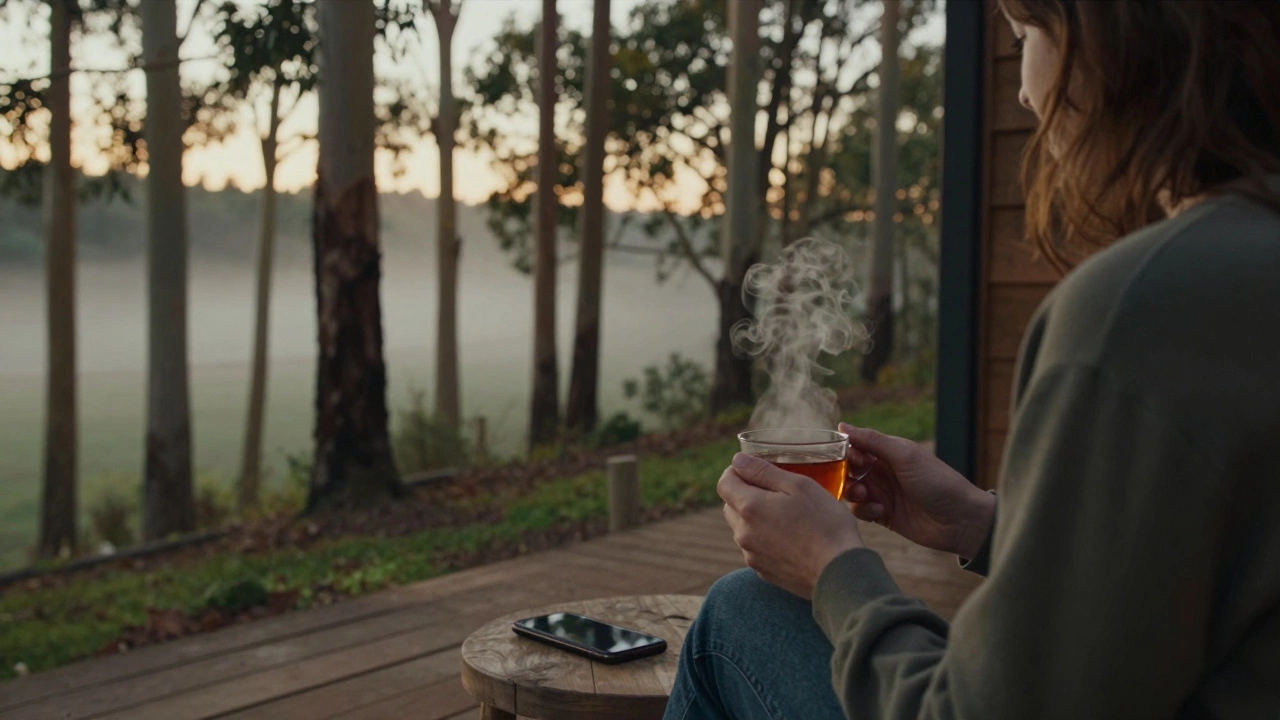
Last month, a friend of mine-a marketing manager in Brisbane-took a mini vacation to Tamborine Mountain. She left Friday at 5 PM. Arrived at her cabin by 7:30. Turned off her phone. Lit a candle. Made tea. Sat on the deck and watched the stars.
Saturday: walked through the rainforest, ate at a local café, read half a novel, napped in a hammock. Sunday: slept in, drove back slowly, stopped at a roadside fruit stall, bought oranges. Got home Sunday night at 8 PM.
She said: "I didn’t do anything. But I felt like I’d been gone for a month. I slept better for a week. And I didn’t check my email once. Not even once."
That’s the magic.
Is a mini vacation the same as a day trip?
No. A day trip is still part of your regular routine-you leave in the morning, do a few things, and come home tired. A mini vacation means staying overnight. You break the cycle. You sleep somewhere new. You wake up without an alarm. That’s what creates real recovery.
How much should I spend on a mini vacation?
There’s no set amount. You can spend $100 or $1,000. The key isn’t cost-it’s intention. A $70 cabin with no Wi-Fi and a view of trees can be more restorative than a $500 resort with constant distractions. Focus on quiet, comfort, and separation from your usual environment.
Can I take a mini vacation with kids?
Absolutely-but adjust your expectations. Bring games, snacks, and books. Pick kid-friendly spots like national parks, beaches with shallow water, or farm stays. The goal isn’t silence-it’s connection. Let them explore. You’ll find your own quiet moments between their naps and meals.
What if I hate planning?
Then don’t plan. Pick a direction-north, south, east, west-and drive until you find a place that looks nice. Book a room with free cancellation. Pack your bag. Leave. The best mini vacations are the ones you didn’t overthink.
Are mini vacations only for people who can afford to travel?
No. A mini vacation doesn’t require money. It requires space. You can do it in your backyard with a tent, a campfire, and no phone. You can rent a cabin with friends and split the cost. You can stay at a friend’s place. The goal isn’t luxury-it’s distance from your daily grind.
Final Thought: Your Brain Needs This
You don’t need permission to rest. You don’t need to wait for the "right time." There’s no perfect moment. The time is now. Take Friday off work. Drive somewhere quiet. Turn off your phone. Breathe. Come back lighter.
A mini vacation isn’t a reward for working hard. It’s part of working well.