Trekking in India
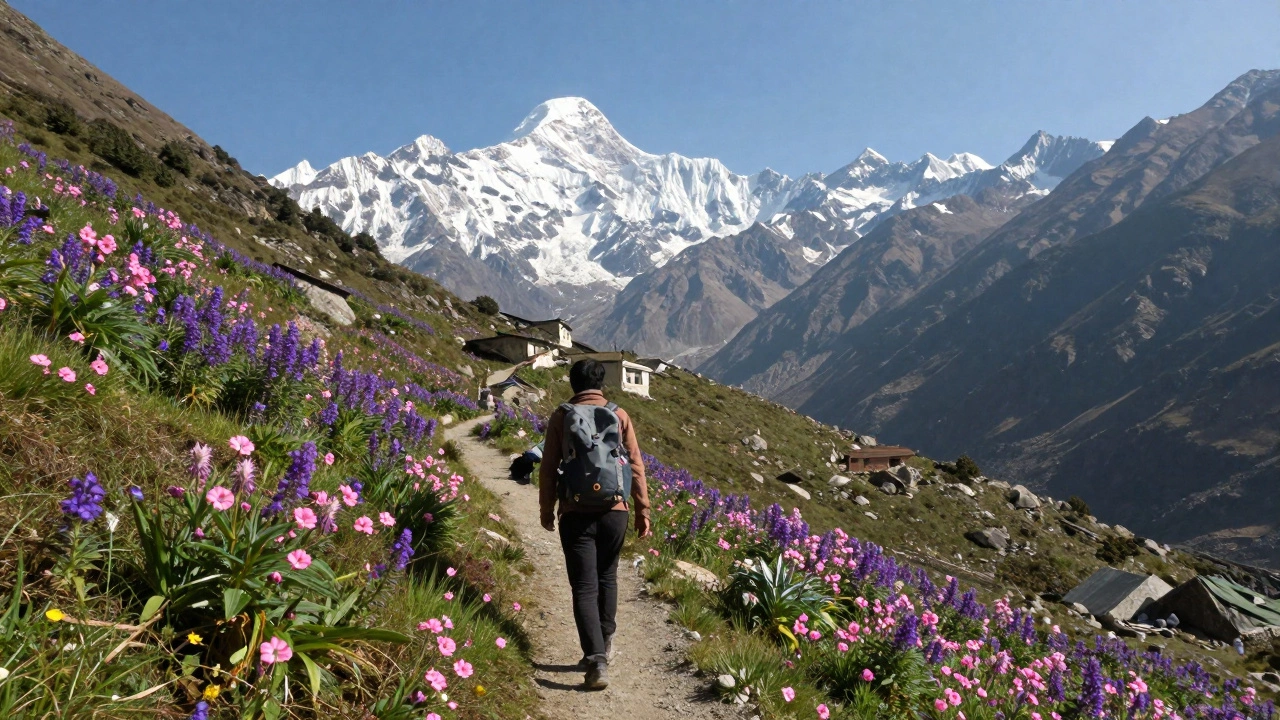
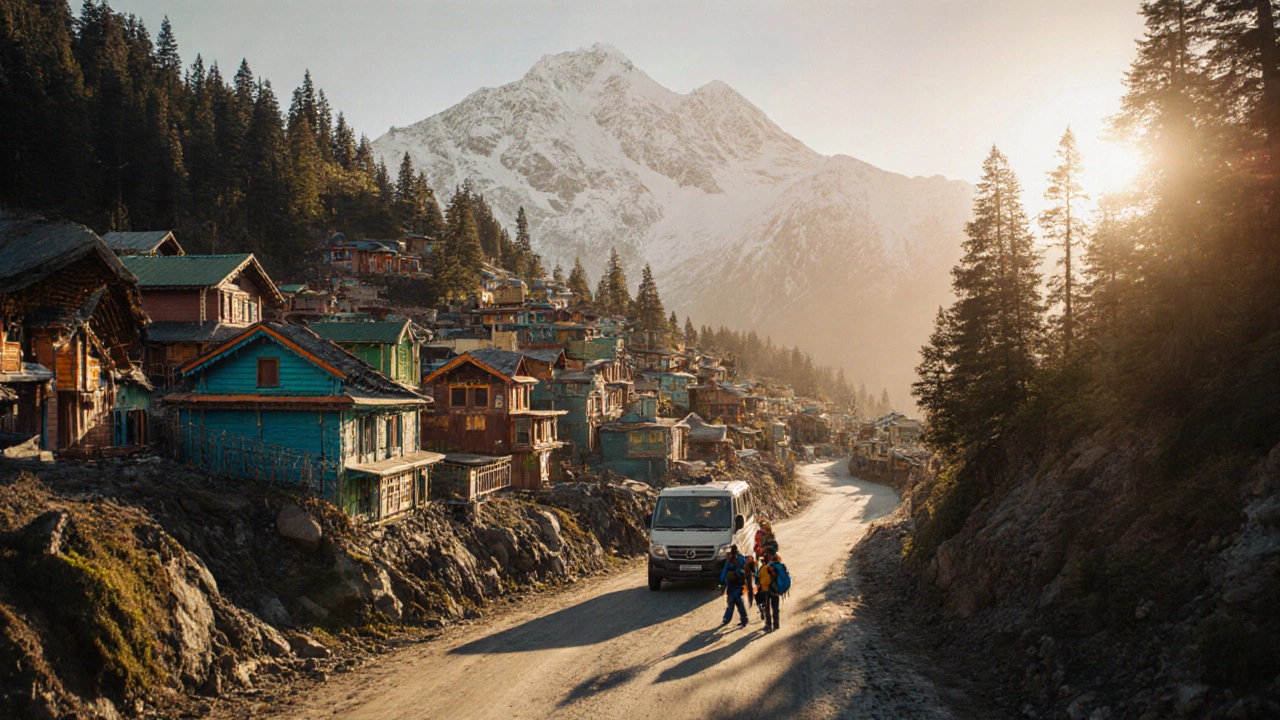
When you think of trekking in India, a wide range of high-altitude walking routes across mountains, forests, and remote valleys that attract adventurers of all levels. Also known as mountain hiking in India, it’s not just a sport—it’s a way to connect with some of the planet’s most raw and beautiful landscapes. From the snow-capped peaks of the Himalayas to the misty green hills of the Western Ghats, India offers more than 500 distinct trekking routes, each with its own rhythm, culture, and challenge.
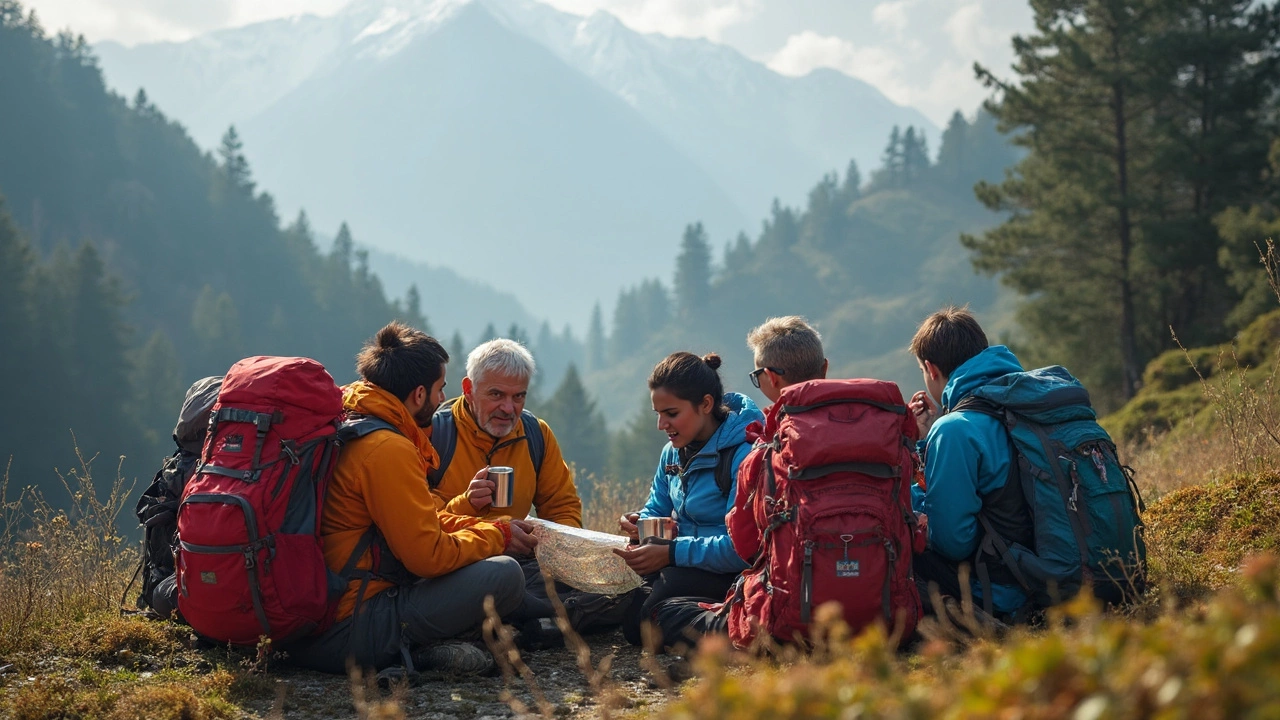
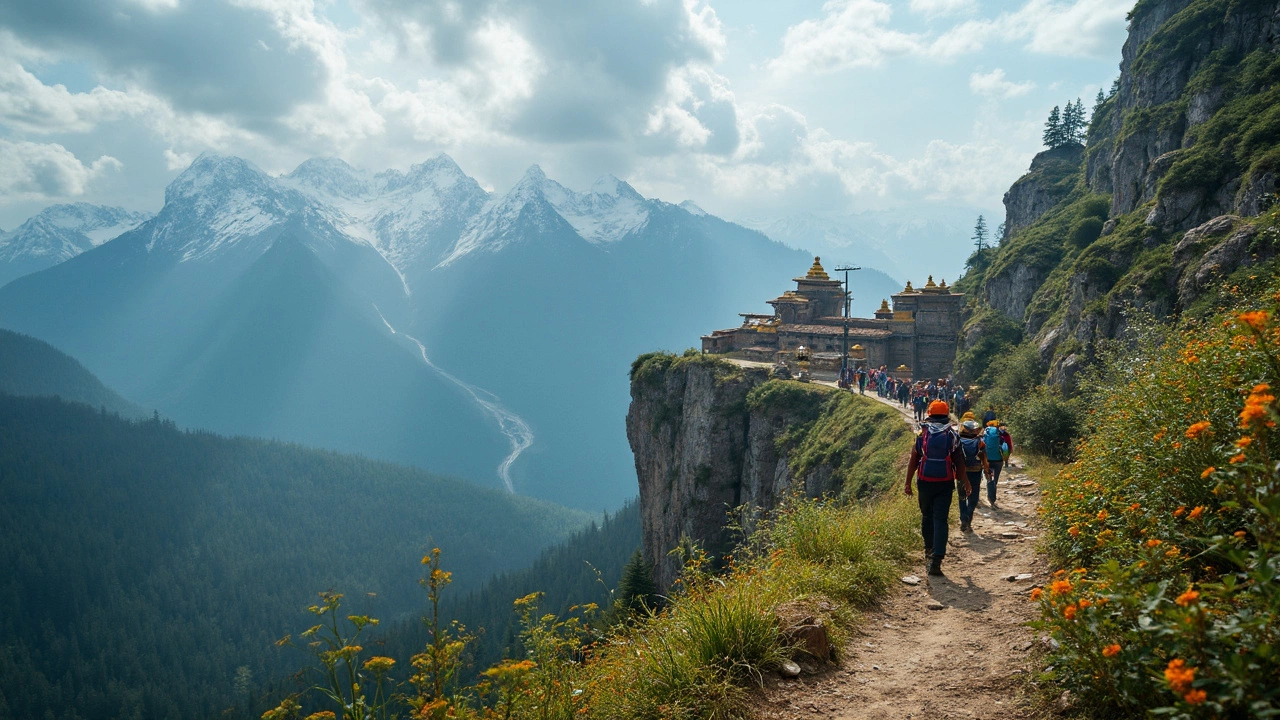
Himalayan treks, high-altitude journeys through the world’s youngest and tallest mountain range, often crossing remote villages and ancient monasteries. Also known as North Indian mountain treks, they’re where most serious trekkers begin their journey. These trails aren’t just about elevation—they’re about endurance, altitude adaptation, and cultural immersion. Then there’s beginner trekking India, easy-to-access trails designed for first-timers, with minimal technical difficulty and clear signage. Also known as family-friendly hikes in India, these routes let you test your legs without risking your safety. Places like Kedarkantha, Nag Tibba, and Dayara Bugyal are perfect for someone who’s never carried a backpack higher than a flight of stairs.
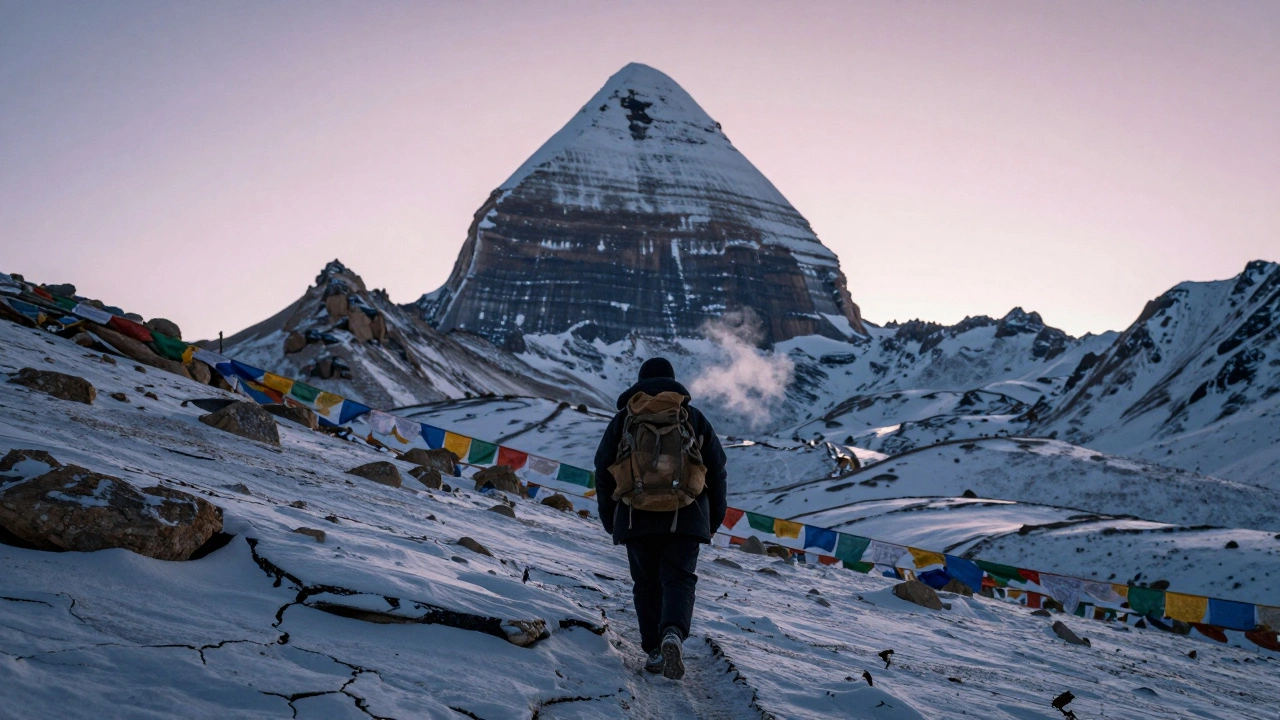
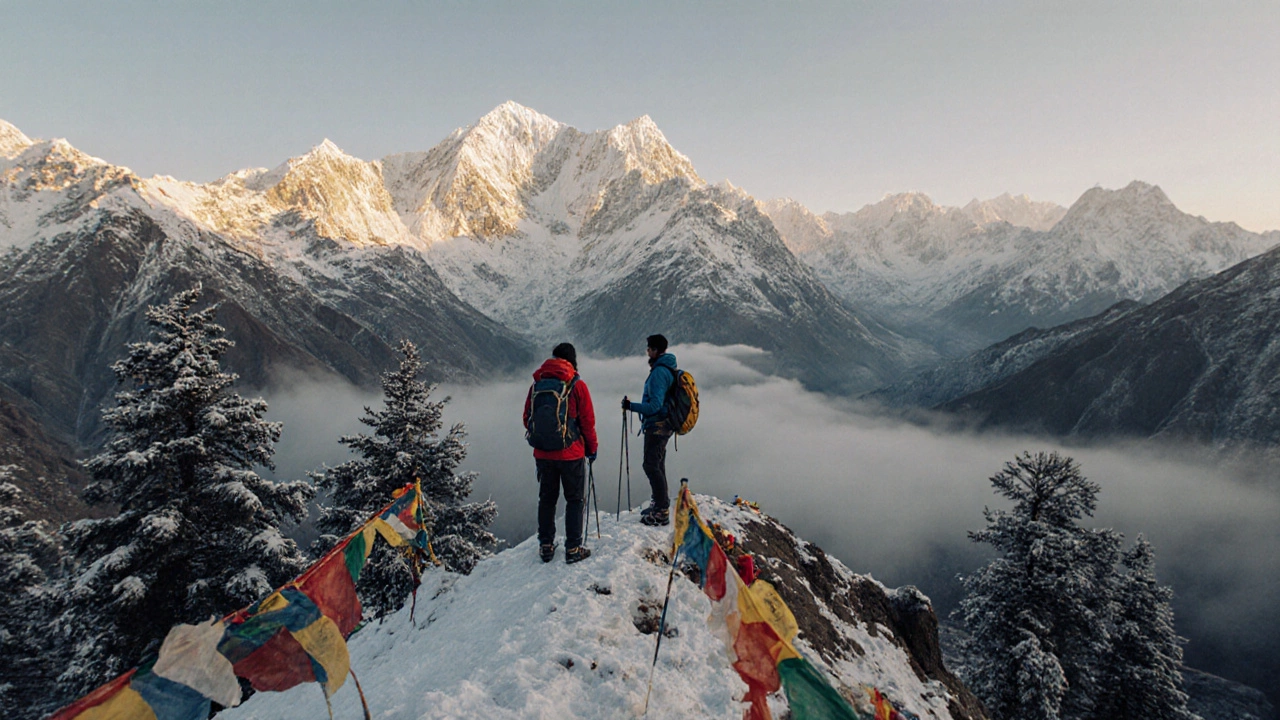
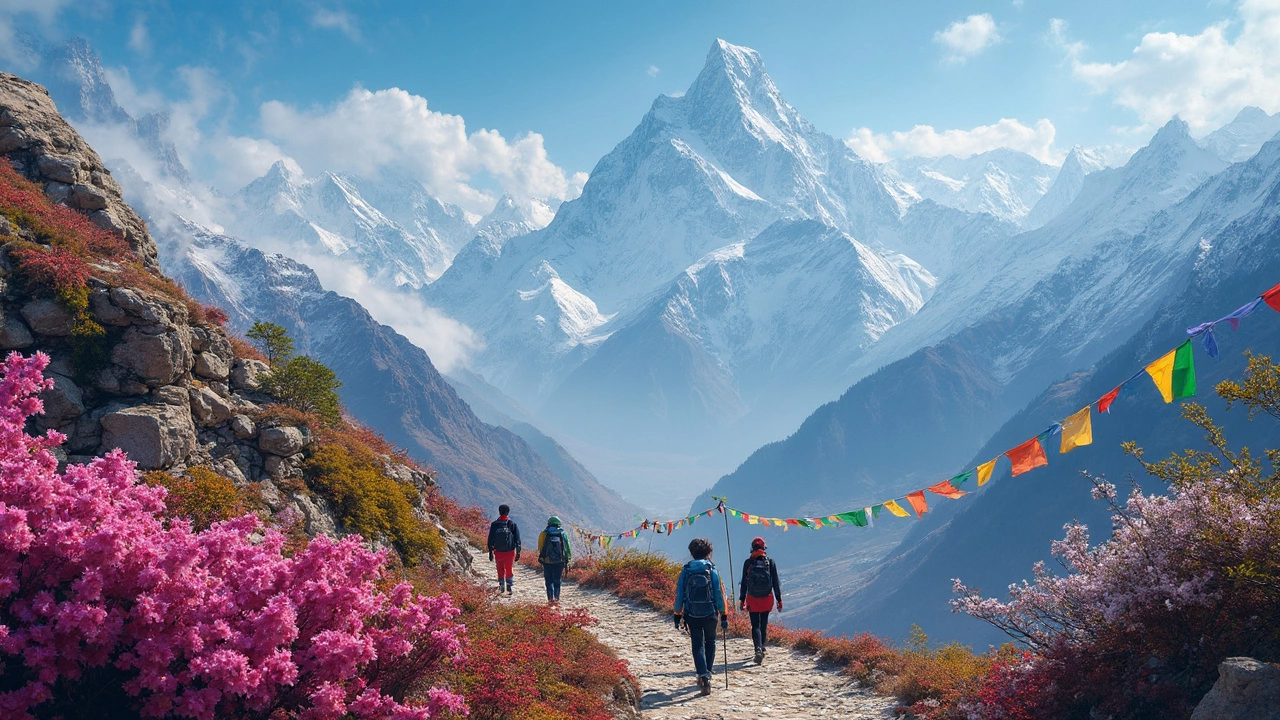
What makes India stand out isn’t just the variety—it’s the contrast. One week you’re walking through rhododendron forests in Uttarakhand, the next you’re crossing glacial rivers in Ladakh. You’ll find treks that take four hours and treks that take four days. You’ll sleep under stars in Himachal, share chai with locals in Sikkim, and wake up to the sound of prayer flags snapping in the wind. And unlike packed tourist trails elsewhere, many of India’s best paths still feel untouched, even during peak season.
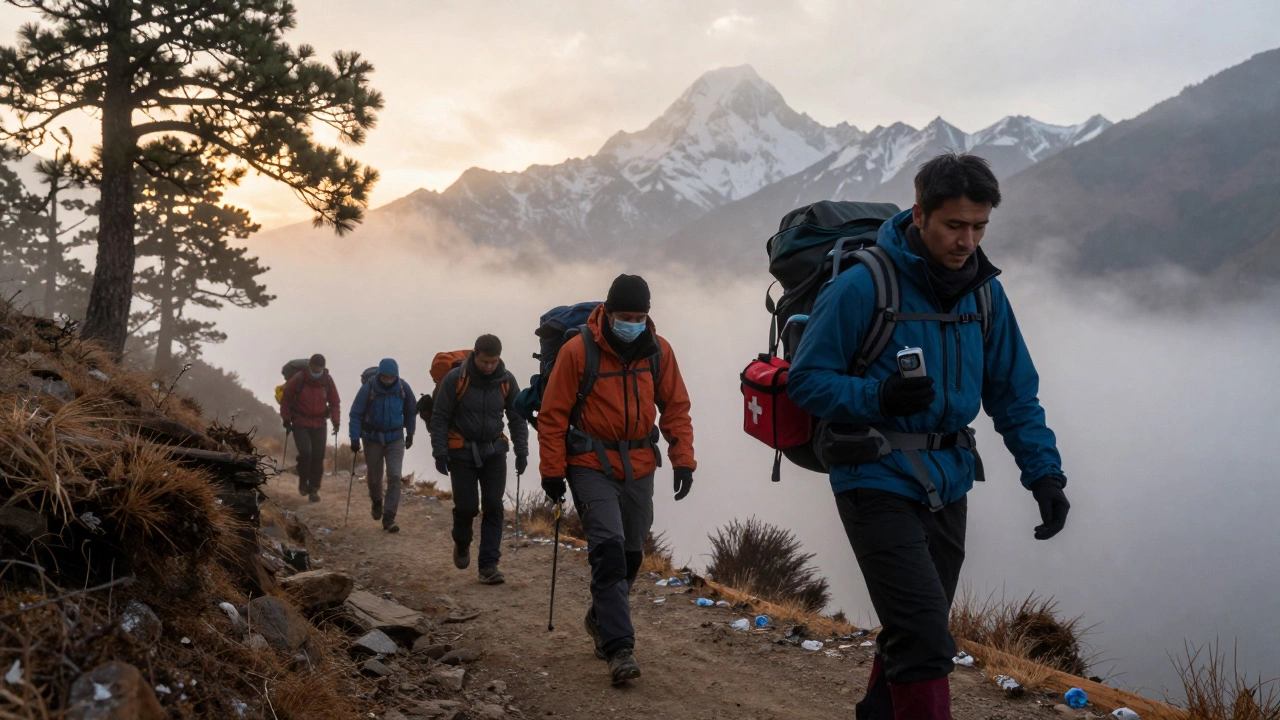
Some trails demand permits, weather windows, and physical prep. Others? Just good shoes and curiosity. The hardest trek in the world? It’s here—in India. The most peaceful sunrise view? Also here. Whether you’re chasing adrenaline or quiet, you’ll find it on one of these paths. Below, you’ll find real guides from people who’ve done these treks—no fluff, no guesswork. Just what works, what to avoid, and where to go next.